
Hollywood Mourns the Loss of Cinema Legend Robert Duvall at 95
A Towering Figure in American Cinema
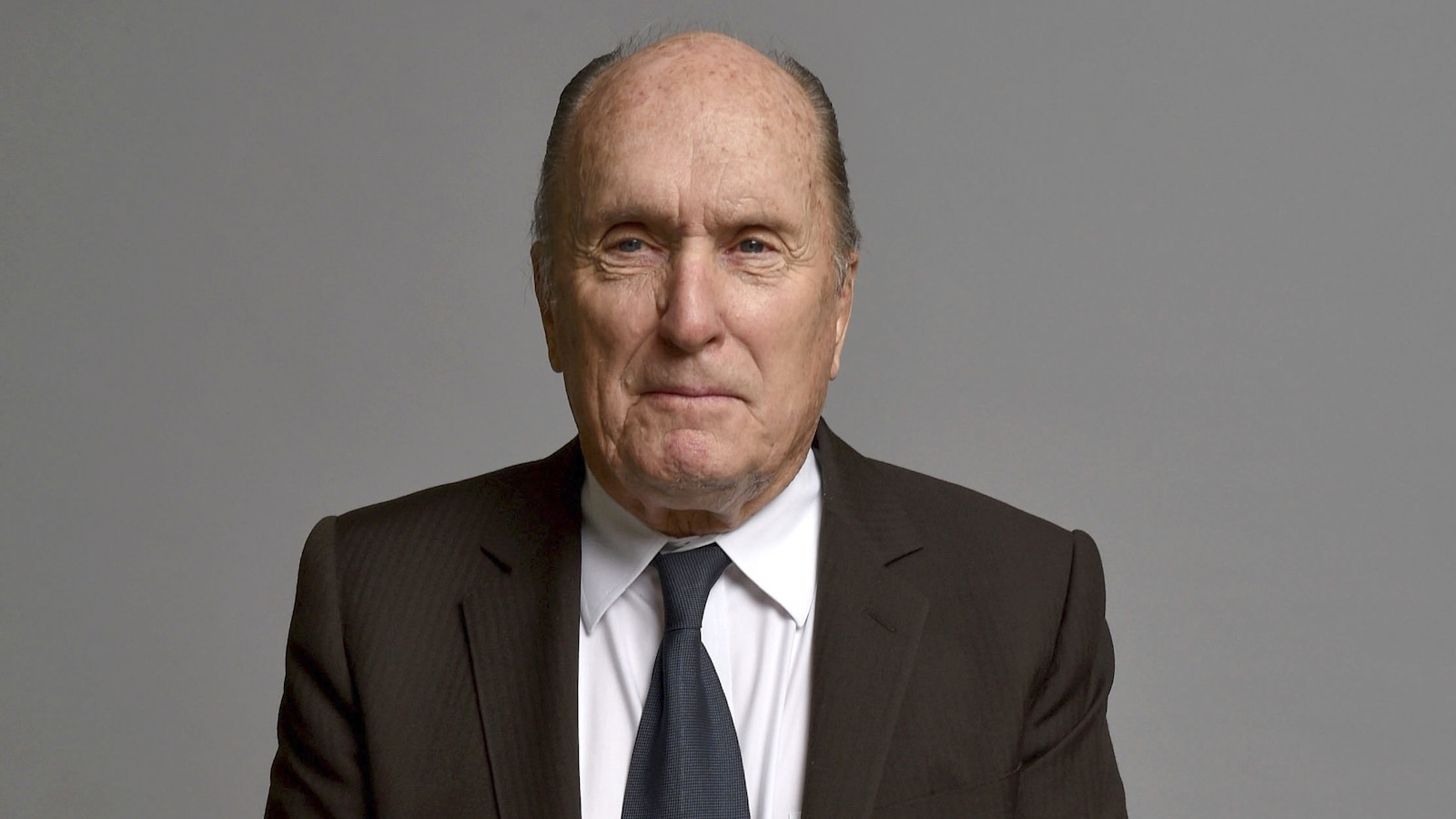
The entertainment world is grieving the loss of Robert Duvall, one of America’s most revered actors, who passed away peacefully at his home on Sunday at the age of 95. His wife, Luciana Duvall, shared the heartbreaking news through a statement posted on his official Facebook page, noting that the legendary performer was “surrounded by love and comfort” in his final moments. Duvall’s death marks the end of an extraordinary era in Hollywood history, as he was widely regarded as one of the finest actors of his generation, with a career that stretched across more than seventy remarkable years. From his breakthrough performances in the 1960s to his continued work well into the 21st century, Duvall became synonymous with excellence in acting, bringing authenticity, depth, and unforgettable intensity to every role he portrayed. His passing has left a void in the film industry that will be deeply felt by colleagues, admirers, and moviegoers around the world who grew up watching his masterful performances on the silver screen.
Iconic Roles That Defined Generations
Robert Duvall’s filmography reads like a greatest-hits collection of American cinema. He delivered some of the most memorable performances in film history, including his portrayal of the calm, calculating consigliere Tom Hagen in Francis Ford Coppola’s masterpiece “The Godfather,” a role that became iconic and helped define the entire gangster genre for generations to come. His chilling turn as Lieutenant Colonel Bill Kilgore in “Apocalypse Now,” with the unforgettable line “I love the smell of napalm in the morning,” became one of cinema’s most quoted moments and showcased his ability to bring complex, sometimes frightening characters to vivid life. Beyond these celebrated performances, Duvall earned an Academy Award for Best Actor for his deeply moving portrayal of a down-and-out country singer seeking redemption in “Tender Mercies,” demonstrating his remarkable range and emotional depth. His work in “The Natural,” “To Kill a Mockingbird,” the epic miniseries “Lonesome Dove,” and the faith-driven drama “The Apostle,” which he also wrote and directed, further cemented his reputation as an actor who could inhabit any character with complete authenticity and bring genuine humanity to the screen.
An Outpouring of Love from Hollywood
As news of Duvall’s passing spread across social media, tributes from fellow actors, filmmakers, and fans began flooding in, each sharing personal memories and expressing gratitude for his contributions to the art of filmmaking. Adam Sandler posted a touching throwback photograph of Duvall on Instagram, accompanied by words of deep affection and admiration. “Funny as hell. Strong as hell. One of the greatest actors we ever had,” Sandler wrote, adding that Duvall was “such a great man to talk to and laugh with” and encouraging fans to revisit his “legendary” films. Academy Award-winning actress Viola Davis, who had the privilege of working alongside Duvall in the 2018 thriller “Widows,” shared her own heartfelt tribute, expressing how she had always been “in awe” of his ability to portray men who were “both quiet and dominating in their humanness.” Davis highlighted several of his most celebrated works before concluding with a powerful sentiment: “Greatness never dies. It stays… as a gift. Rest well, sir.” These tributes painted a picture of a man who was not only immensely talented but also genuinely kind, generous with his time, and deeply respected by those who knew him personally.
A Mentor Who Changed Lives
Perhaps no tribute was more personal and emotional than the one shared by actor Walton Goggins, who worked with Duvall on “The Apostle” early in his career. Goggins, who was only 24 years old at the time of filming, described Duvall as “the greatest storyteller of all time” and “my North Star, my hero.” In a lengthy Instagram post accompanied by treasured photographs from the film’s set that Goggins had kept for thirty years, he revealed the profound impact Duvall had on his life and career. “He gave me permission, afforded me the privilege of never having to leave his side while we were working,” Goggins wrote, explaining how Duvall had mentored him throughout the production and maintained a deep friendship with him for years afterward. This wasn’t something Duvall had to do, Goggins noted, but it reflected the kind of generous spirit the actor possessed—one that touched many lives throughout his long career. The tribute offered a glimpse into Duvall’s character off-screen: a man who understood the importance of passing knowledge to the next generation and who took the time to nurture young talent even when he was already an established legend.
Recognition from Peers and Collaborators
Other Hollywood figures also shared their memories and appreciation for the late actor. Jamie Lee Curtis posted a striking image of Duvall as Tom Hagen from “The Godfather,” simply writing, “The greatest consigliere the screen has ever seen. Bravo, Robert Duvall”—a testament to how perfectly he embodied that unforgettable character. Michael Keaton, who shared the screen with Duvall in the 1994 film “The Paper,” reflected on their friendship beyond their professional collaboration. “Acted with and became friends. Shared a great afternoon on my front porch talking about horses,” Keaton recalled in his Instagram tribute, adding that Duvall “was greatness personified as an actor.” These personal anecdotes revealed a man who lived a full life beyond the camera, someone who enjoyed simple pleasures like conversation on a front porch and who formed genuine connections with people from all walks of life. The consistent theme throughout all these tributes was not just Duvall’s extraordinary talent, but his kindness, warmth, and the authentic human connection he maintained with those around him.
A Legacy That Will Endure Forever
Robert Duvall’s passing represents the loss of one of the last remaining links to Hollywood’s golden age of filmmaking, a time when actors devoted themselves to their craft with uncompromising dedication and brought a level of authenticity to the screen that continues to inspire performers today. His influence on American cinema cannot be overstated—he helped shape the modern film landscape through his commitment to truthful, nuanced performances that never relied on showiness or artifice. Young actors studied his work to learn how stillness could be as powerful as action, how a subtle gesture could convey volumes, and how complete immersion in a character could create moments of pure cinematic magic. As fans and colleagues alike revisit his extensive body of work in the coming days and weeks, they’ll be reminded of why Duvall was considered a master of his craft: his ability to disappear into roles, his commitment to finding the humanity in every character (whether hero or villain), and his unwavering dedication to honest storytelling. Though he has left this world, his performances will continue to move, inspire, and educate future generations of filmmakers and film lovers. Robert Duvall’s legacy is secured not just in the awards he won or the accolades he received, but in the countless lives he touched through his art and his personal kindness—a legacy that, as Viola Davis so eloquently stated, “never dies” but remains with us “as a gift.”