
Hollywood’s Creative Community Speaks Out Against Major Studio Merger
A United Front of Concerned Artists
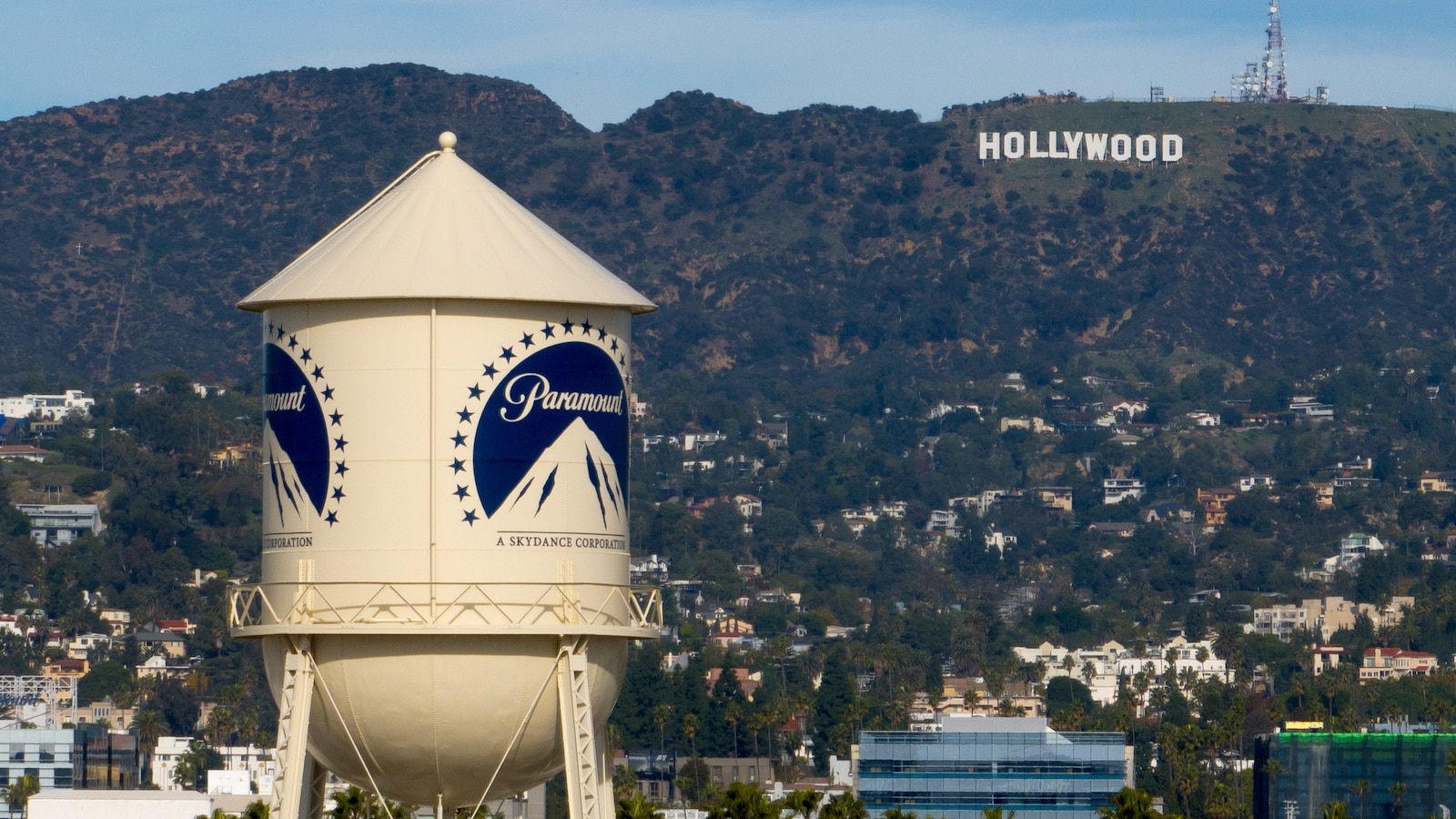
The entertainment industry is witnessing an unprecedented show of solidarity as over 1,000 Hollywood professionals have come together to voice their opposition to one of the biggest deals in recent entertainment history. The proposed merger between Warner Bros. Discovery and Paramount Skydance has sparked serious concerns among some of the industry’s most respected names. Academy Award winners, acclaimed directors, and beloved television stars—including Jane Fonda, Don Cheadle, Rosanna Arquette, Ben Stiller, and Joaquin Phoenix—have added their signatures to an open letter that challenges the very foundation of this massive corporate consolidation. The letter represents a rare moment of unity in an industry often divided by competing interests, with filmmakers, documentarians, and various media professionals standing shoulder to shoulder to express what they describe as their “unequivocal opposition” to a deal they believe threatens the creative landscape they’ve worked so hard to build and sustain.
Understanding the Mega-Deal and Its Implications
The transaction in question is nothing short of monumental, with Paramount planning to acquire Warner Bros. Discovery in a deal valued at approximately $110 billion. Under the proposed terms, Paramount would pay $31 per share in cash for all outstanding shares of Warner Bros. Discovery, marking one of the largest media acquisitions in history. This ambitious takeover bid was launched by Paramount in December, coming just days after Netflix negotiated its own deal to purchase a significant portion of the media giant. The timing of these moves has sent shockwaves through an industry already grappling with rapid transformation. The merger is expected to reach completion in the third quarter of 2026, though it must first clear several significant hurdles, including regulatory approval and a shareholder vote anticipated in early spring 2026. The announcement, made public in February, has given the creative community time to assess what this consolidation might mean for their livelihoods and the future of storytelling itself. The sheer scale of the deal underscores how the entertainment landscape is being reshaped by forces far beyond the control of individual artists and creators.
The Core Concerns of the Creative Community
The open letter signed by these Hollywood luminaries doesn’t mince words about the potential consequences of allowing this merger to proceed. At the heart of their concerns is a straightforward but alarming observation: this transaction would further consolidate what is already a highly concentrated media landscape at precisely the wrong time. The signatories argue that reducing competition in an industry where audiences and professionals are already struggling with limited options could prove devastating. Their letter specifically highlights several tangible fears: fewer jobs throughout the entire production ecosystem, higher costs for productions, and dramatically reduced choices for audiences both in the United States and internationally. Perhaps most troubling to many in the industry is the fact that this merger would leave only four major studios remaining in America. This represents a seismic shift from the more diverse studio system that once defined Hollywood, and many fear it signals a point of no return for independent voices and mid-level productions that don’t fit the blockbuster mold that increasingly dominates theatrical releases.
A Pattern of Decline in Creative Diversity
The letter doesn’t just express abstract concerns—it points to concrete evidence of how previous consolidations have already damaged the industry’s creative output and diversity. The signatories, who also include Mark Duplass, Javier Bardem, Ilana Glazer, Noah Wyle, Tiffany Haddish, Jason Bateman, Alyssa Milano, Ramy Youssef, Rosario Dawson, Mark Ruffalo, David Fincher, JJ Abrams, Kristen Stewart, Lin-Manuel Miranda, Ted Danson, Rose Byrne, and Denis Villeneuve, among many others, have witnessed firsthand what they describe as “a steep decline in the number of films produced and released.” More concerning still is what they characterize as a narrowing of the types of stories that receive financing and distribution. The letter paints a picture of an industry where an increasingly small number of powerful entities control what gets made and on what terms, leaving creators and independent businesses with fewer viable paths to sustain their work. This consolidation has, according to these industry veterans, accelerated several troubling trends: the virtual disappearance of mid-budget films that once served as the industry’s creative middle class, the erosion of independent distribution channels that gave unique voices a platform, the collapse of the international sales market that helped finance diverse projects, the elimination of meaningful profit participation that allowed creators to share in their work’s success, and the weakening of screen credit integrity that once protected artists’ contributions.
The Bigger Picture: Economy and Democracy
The concerns expressed in the letter extend beyond the immediate impact on Hollywood professionals to touch on broader questions about the health of American society. The signatories explicitly state their deep concern about “indications of support” for a deal they believe would cause significant harm not just to the creative community but to the many small businesses that depend on a thriving and competitive entertainment industry. Their letter concludes with a statement that elevates the discussion beyond industry politics: “Competition is essential for a healthy economy and a healthy democracy.” This framing suggests that the stakes extend far beyond who gets to make movies or how much they’re paid. In an era when media consolidation has already raised concerns about diversity of viewpoints, control of information, and the power of a few corporations to shape public discourse, the entertainment industry’s increasing concentration in fewer hands represents a troubling parallel trend. The artists signing this letter are essentially arguing that the stories told by Hollywood matter not just as entertainment but as essential components of democratic culture—and that allowing a handful of corporate entities to control that storytelling apparatus poses risks that regulators should take seriously.
The Studio’s Response and the Road Ahead
Paramount has responded to the letter with a carefully crafted statement that acknowledges the concerns while defending the deal’s potential benefits. The company told ABC News that it “hears and understands the concerns that some in our creative community have raised” and respects their “commitment to protecting and expanding creativity.” However, Paramount’s statement also emphasizes what it characterizes as the “need for strong, creative-first and well-capitalized companies” in today’s entertainment landscape. The studio argues that the merger would actually enable it to “greenlight more projects, back bold ideas, support talent across multiple stages of their careers, and bring stories to audiences at a truly global scale.” Paramount has made specific commitments, including a promise to increase output to a minimum of 30 high-quality feature films annually with full theatrical releases—a pledge clearly designed to address concerns about reduced production. The company insists that “this merger strengthens both consumer choice and competition, creating greater opportunities for creators, audiences and the communities they live and work in.” Warner Bros. Discovery has not yet issued a public statement addressing the letter. As the deal moves toward its critical regulatory review and shareholder vote in early 2026, both sides of this debate will likely intensify their efforts to shape public opinion and influence decision-makers. The outcome will not only determine the fate of this particular transaction but may set important precedents for how much consolidation the entertainment industry—and by extension, American culture—will tolerate in the years ahead.