

Global Energy Crisis: How Nations Are Responding to Soaring Oil and Gas Prices
The Iran Conflict Sparks Worldwide Energy Emergency
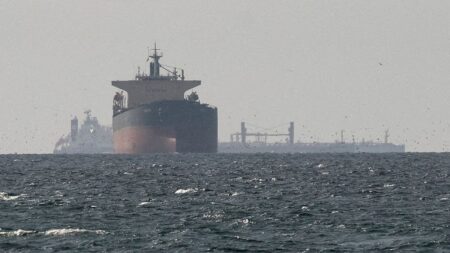
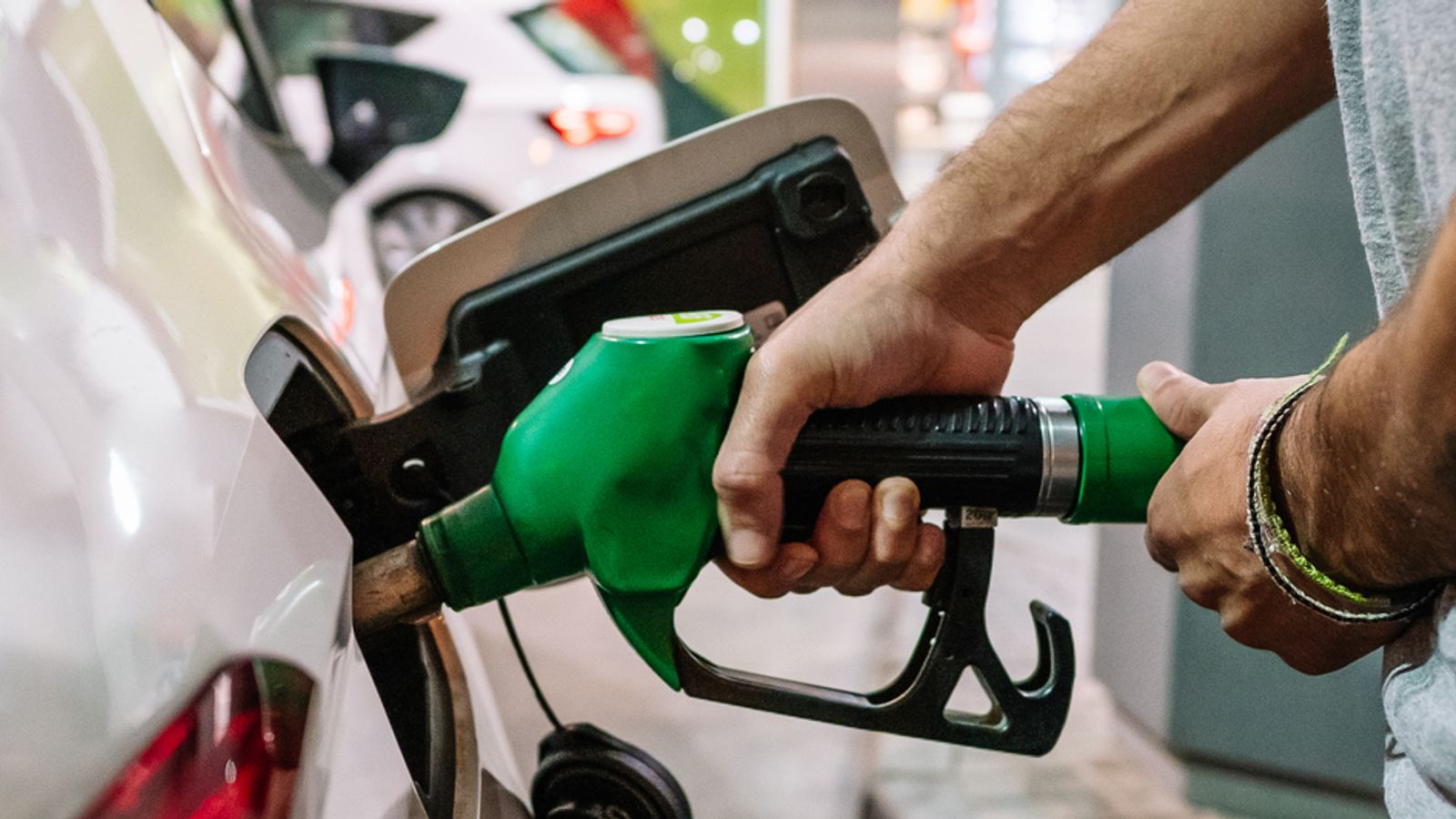
As tensions with Iran continue to escalate, the world is experiencing a significant energy crisis that’s hitting consumers hard in their wallets. Iran, standing as one of the planet’s largest natural gas suppliers—trailing only the United States and Russia—plays a crucial role in global energy markets. The situation becomes even more critical when you consider Iran’s strategic control over the Strait of Hormuz, a narrow waterway that serves as a vital artery for global oil transportation. Since the conflict erupted in February, we’ve watched oil prices climb to their highest point in nearly four years, while wholesale gas prices have similarly surged upward. This isn’t just an abstract economic problem—it’s affecting real people everywhere, forcing governments worldwide to scramble for solutions to protect their citizens from the financial burden of skyrocketing energy costs. The response has been varied and creative, with nations implementing everything from shortened work weeks to fuel rationing systems, all in an effort to help people cope with this unprecedented challenge.
Asia Bears the Brunt: Drastic Measures in the East
Asian nations find themselves in an especially vulnerable position during this crisis, and the numbers tell a stark story. According to the World Economic Forum, more than 80% of the oil and liquefied natural gas that passes through the Strait of Hormuz in 2024 was destined for Asian markets, with China, India, Japan, and South Korea being the primary recipients. This heavy dependence on Middle Eastern energy imports means Asian economies are feeling the impact more severely than most other regions. The response has been dramatic and, in some cases, unprecedented. Several countries, including the Philippines and Pakistan, have taken the extraordinary step of implementing four-day work weeks across various sectors, essentially asking their populations to work less to consume less fuel. Sri Lanka has designated Wednesdays as public holidays specifically for government institutions, while Indonesia is taking a multi-pronged approach by mandating work-from-home Fridays and, even more strikingly, limiting individual fuel purchases to just 50 liters per day starting April 1st.
Thailand’s response demonstrates how seriously the region is taking this crisis. Prime Minister Anutin Charnvirakul issued comprehensive orders on March 10th directing civil servants to embrace energy conservation through various practical measures. These include expanded work-from-home arrangements, setting office air conditioning temperatures to a warmer 26-27°C, and even changing the dress code by encouraging workers to swap their formal suits and ties for more casual short-sleeved shirts that don’t require as much climate control. Office buildings have been ordered to reduce electricity consumption by switching off lights and equipment when not in use, and the public has been asked to participate voluntarily through measures like carpooling. Meanwhile, India has invoked emergency powers to direct refiners to maximize production of liquefied petroleum gas (LPG), hoping to prevent shortages of this essential cooking fuel. The situation has become so pressing that major IT companies like Cognizant are reportedly encouraging employees to bring their own food rather than relying on commercial cafeterias that depend on LPG. Myanmar has implemented perhaps one of the most unique solutions: a fuel rationing system where cars with even-numbered license plates can only drive on even-numbered dates, and those with odd-numbered plates on odd dates, though electric vehicles are exempt. Vietnam, taking a different approach, plans to eliminate import tariffs on fuels through the end of April to ensure adequate supply.
Europe’s Calculated Response: Tax Cuts and Strategic Planning
European nations are approaching the crisis with a combination of immediate relief measures and long-term strategic thinking. Dan Jorgensen, the EU’s energy chief, has been candid with member states, sending letters to ministers warning them to prepare for potentially prolonged disruption to energy markets. However, he’s also provided some reassurance, noting that while challenges exist, the impact on Europe’s energy supplies remains relatively contained for now. European countries have largely turned to financial measures to cushion the blow for their citizens. France and Greece have committed substantial funds—€70 million and €300 million respectively—to subsidize key industries including fuel, farming, and transport sectors. Italy has earmarked an impressive €417.4 million to reduce excise duties on petrol and diesel through April 7th, putting money directly back into drivers’ pockets every time they fill up.
Germany has taken an interesting regulatory approach rather than a subsidy-based one, instructing petrol stations to limit fuel price increases to just once per day, preventing the kind of rapid price fluctuations that can catch consumers off guard. Spain’s parliament is considering a comprehensive package of measures proposed by the government that would lower both fuel and electricity taxes while providing targeted subsidies to sectors most vulnerable to energy price spikes. Across the Channel, the United Kingdom finds itself in a somewhat unique position due to its Ofgem energy price cap, which shields most households from immediate price increases until the end of June. However, this is merely a temporary reprieve—forecasts suggest prices will climb by nearly £300 starting in the summer. Chancellor Rachel Reeves has announced £53 million in funding specifically aimed at helping low-income households that use heating oil and live off the main gas grid, a vulnerable group that’s already feeling the pinch. Rather than implementing broad, expensive cost-of-living measures, the government is considering more targeted support for those who need it most, a pragmatic approach in challenging fiscal times.
Oceania’s Public Transport Solution: Getting Creative Down Under
Australia is demonstrating that sometimes the best solutions are the simplest ones: make alternative transportation free. Two Australian states have announced generous public transport measures designed to ease the pressure on household budgets. Victoria’s premier, Jacinta Allen, announced on March 30th that the entire state’s public transport network would be free for the entire month of April, a measure she said would take “pressure off the pump.” The logic is elegant—by making buses, trains, and trams free, more people will leave their cars at home, reducing overall fuel consumption while also providing direct financial relief to commuters. This approach offers a dual benefit of helping both those who must drive (by reducing congestion and demand) and those who can switch to public transport (by eliminating that expense entirely). Tasmania is taking an even more extended approach, offering free buses and ferries for a full three months running through June 30th. The state is also eliminating fees for all government-run school bus services during this period, providing significant relief to families who are already stretching their budgets. According to the Australian Broadcasting Corporation, these measures represent some of the most aggressive public transport subsidies implemented anywhere in response to the energy crisis, and other regions around the world are watching closely to see if this approach proves effective.
Africa’s Struggle: Conservation Through Restriction
African nations, many of which have developing economies with less fiscal flexibility than their wealthier counterparts, are implementing more restrictive conservation measures. Egypt’s response illustrates the severity of the situation facing the continent. The Egyptian government has ordered all shops, restaurants, and cafes to close by 9 pm local time in an effort to conserve oil-powered electricity—measures the government itself has described as “exceptional.” The country is also dimming streetlights and roadside advertising, creating a visible reminder of the crisis every evening. Civil servants have been directed to work from home one day per week throughout April, reducing both transportation fuel consumption and office energy use. Notably, Egypt has carved out exceptions for its crucial tourist areas, including the Red Sea resorts of Hurghada, Sharm el-Sheikh, and Marsa Alam, as well as the historically significant southern cities of Aswan and Luxor. Tourism represents a vital source of foreign currency, and the government is unwilling to compromise this revenue stream even during the crisis.
Prime Minister Mustafa Madbouly revealed just how dramatic the impact has been on Egypt’s economy, stating that the nation’s oil bill has more than doubled compared to January levels—a staggering increase in just a couple of months. Other African nations including Ethiopia and Namibia have implemented various measures to help citizens afford fuel, though the specific details vary by country based on their particular circumstances and resources. The African response highlights a difficult reality: nations with fewer financial resources must often resort to more restrictive measures that directly impact daily life, whereas wealthier nations can afford to subsidize prices and cushion the blow for their populations.
Looking Ahead: A World Adapting to Energy Uncertainty
The global response to the Iran-related energy crisis demonstrates both the interconnected nature of our modern world and the diverse strategies available to governments facing similar challenges. From Asia’s dramatic work-week reductions and fuel rationing to Europe’s tax cuts and subsidies, from Australia’s free public transport experiments to Africa’s mandatory conservation measures, we’re witnessing a real-time experiment in crisis management on a global scale. What’s particularly striking is how the severity of measures correlates with both a nation’s dependence on Middle Eastern energy and its financial capacity to absorb shocks. Asian nations, heavily dependent on oil and gas flowing through the Strait of Hormuz, have implemented some of the most dramatic changes to daily life. African nations, with less fiscal flexibility, have turned to mandatory restrictions. Meanwhile, wealthier European nations and Australia have been able to use subsidies and incentives rather than requirements.
As this situation continues to unfold, several questions remain unanswered. How long can governments sustain these emergency measures? Will any of these temporary changes become permanent fixtures of a new, more energy-conscious society? Could initiatives like four-day work weeks or free public transport prove so popular or effective that they outlast the crisis that spawned them? What we’re witnessing is more than just a response to a temporary emergency—it’s potentially a preview of how nations might need to operate in a future where energy security cannot be taken for granted. The Iran conflict has forced a global reckoning with energy vulnerability, and the lessons learned during this period will likely influence policy decisions for years to come, regardless of how or when the current crisis resolves itself.