
How to Talk to Your Children About the U.S.-Iran Conflict: A Parent’s Guide
Understanding the Current Situation and Its Impact on Families
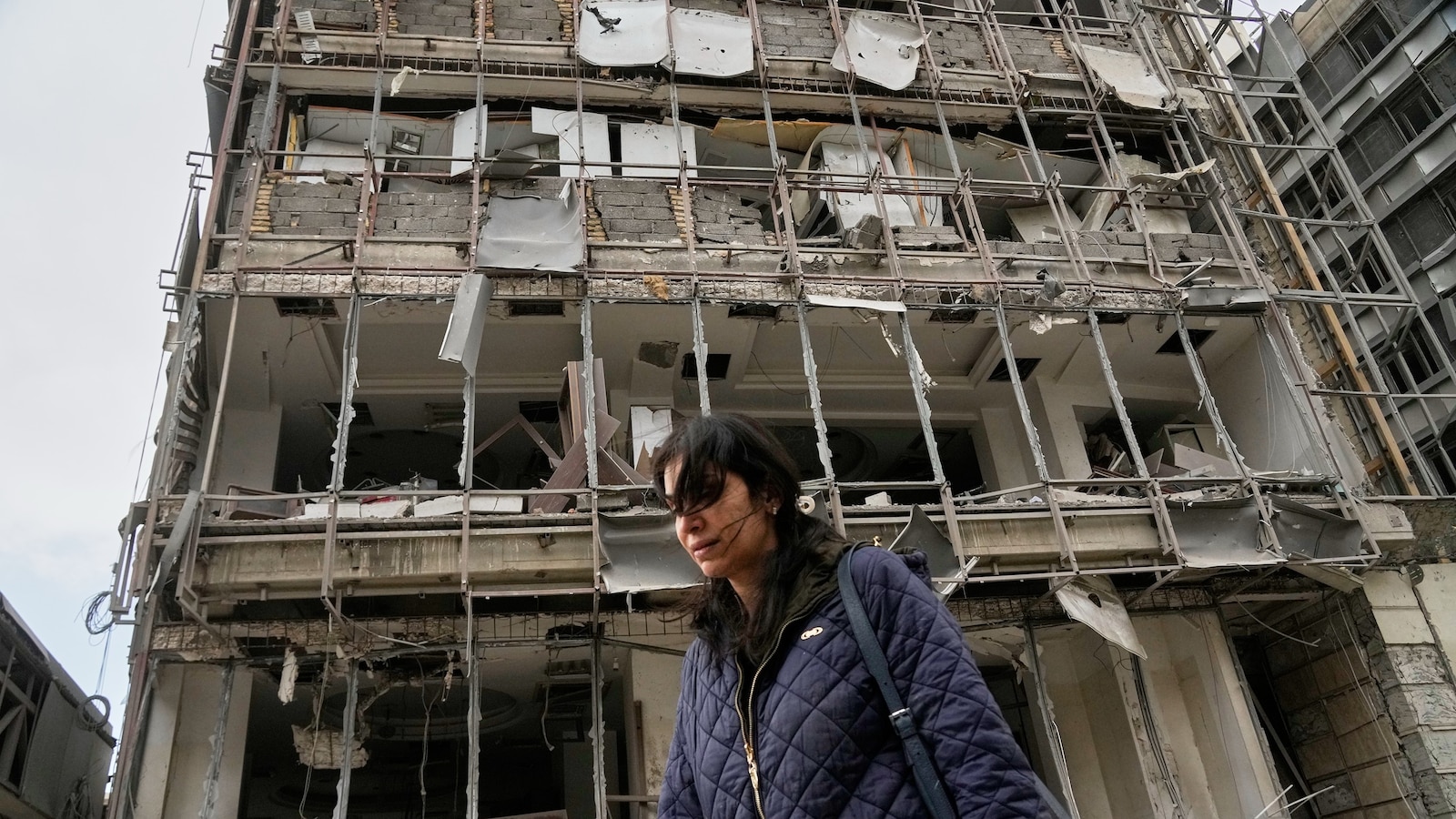
In the wake of President Donald Trump’s recent announcement regarding “major combat operations” against Iran, families across America are grappling with how to discuss this escalating conflict with their children. Following Saturday’s announcement, military strikes have continued in Tehran, Iran’s capital, with Iranian forces launching retaliatory strikes throughout the Middle East. President Trump has indicated to ABC News that this operation could extend for several weeks, creating an atmosphere of uncertainty and concern that inevitably filters down to our youngest family members. As images of damaged infrastructure, including the Gandhi Hospital in Tehran that was struck during joint U.S.-Israeli operations, circulate through news channels and social media platforms, parents face the challenging task of helping their children process these frightening events while maintaining a sense of security and normalcy in their lives.
The reality of modern media consumption means that children of various ages may encounter news about this conflict through numerous channels—television, social media, conversations at school, or discussions among peers. This widespread information availability makes it virtually impossible to completely shield children from awareness of global events, even those involving violence and warfare. Consequently, child development experts emphasize that parents must be proactive rather than reactive, preparing themselves with strategies and language to address their children’s questions, fears, and concerns in age-appropriate ways that provide reassurance without minimizing legitimate worries or oversimplifying complex geopolitical situations.
Expert Guidance: Preparing for Difficult Conversations
Dr. Deidre Donaldson, a clinical pediatric psychologist at Gateway Healthcare and Brown University Health in Providence, Rhode Island, offers invaluable guidance for parents navigating these difficult conversations. Her primary recommendation centers on the importance of connecting with children to discover what they already know, how they’re responding to information they’ve encountered, and helping them feel as safe and secure as possible during uncertain times. Dr. Donaldson emphasizes that parents should recognize the multiple pathways through which children might learn about the conflict—from overheard adult conversations to schoolyard discussions, from news broadcasts playing in common areas to social media feeds on their devices.
The key, according to Dr. Donaldson, is preparation. Parents should develop a plan for what they want to communicate, what information they believe their children need to know, and importantly, what details can be omitted to avoid overwhelming young minds. This approach requires parents to strike a delicate balance between honesty and protection, between acknowledging reality and preserving childhood innocence where appropriate. The expert’s advice underscores a fundamental principle: less is often more when discussing traumatic or frightening world events with children. By keeping explanations minimal yet truthful, parents can provide necessary context without burdening children with details that exceed their emotional or cognitive capacity to process effectively.
The Importance of Checking In: Starting the Conversation
Dr. Donaldson strongly recommends that parents initiate conversations using open-ended, age-appropriate language that allows children to guide the discussion based on their existing knowledge and emotional state. Rather than launching into explanations or information dumps, parents should begin with simple, gentle questions that create space for children to share what’s on their minds. Questions like “How are things going?” “What’s your day like today?” or “What’s on your mind?” serve as non-threatening entry points that allow children to bring up the conflict if it’s something they’re thinking about, without forcing a discussion if they’re unaware or untroubled by it.
This approach offers the significant advantage of revealing what children actually know versus what parents might assume they know. Often, parents discover that their children have heard fragments of information, sometimes accurate and sometimes distorted, that have created confusion or unnecessary fear. By letting children speak first, parents can address specific misconceptions, fill in gaps with appropriate information, and gauge the emotional impact the news has had on their individual child. It’s important to note that children under age five are typically less aware of world news events and less capable of understanding their complexity, so parents of younger children may find that these issues haven’t entered their child’s consciousness at all—and that’s perfectly appropriate for their developmental stage.
Parents should also consider connecting with their children’s schools and teachers to understand what’s being discussed in educational settings. Many schools have protocols for addressing current events, particularly those involving conflict or violence, and may provide guidance on age-appropriate language and concepts. By coordinating with educators, parents can reinforce consistent messages and ensure they’re addressing the same information and concerns their children are encountering in the classroom environment.
The Four E’s Framework: Empathy, Explanations, Exposure, and Emphasis
Dr. Donaldson recommends parents follow a structured approach she calls the “Four E’s”—Empathy, Explanations, Exposure, and Emphasis—when discussing the Iran conflict with children. The first element, empathy, involves creating an environment of openness where parents prioritize listening over lecturing. As Dr. Donaldson explains, parents should position themselves as supporters and guides rather than information authorities, offering small, tolerable pieces of knowledge appropriate to each child’s age and emotional capacity. This empathetic stance validates children’s feelings, whether those feelings are fear, confusion, sadness, or even curiosity, without judgment or dismissal.
The second element, explanations, should be fact-based and minimal, providing only what’s necessary to address the child’s questions or concerns without overwhelming them with geopolitical complexity or disturbing details. Parents should resist the urge to provide comprehensive historical context or detailed descriptions of military operations, instead focusing on basic truths presented in age-appropriate language. The third element addresses exposure to ongoing news coverage. Dr. Donaldson notes that children today are exposed to enormous amounts of information through various channels, making limitation strategies essential for emotional well-being. Parents can balance necessary awareness with protection by curating content, limiting news consumption, and deliberately exposing children to positive stories about humanitarian efforts, peacekeeping initiatives, and examples of kindness and cooperation in the world.
The fourth element, emphasis, focuses on helping children understand where and how they can feel safe despite frightening world events. Dr. Donaldson poses critical questions for parents to address with their children: “Where can they be safe? Where can they go and get relief from what seems overwhelming and negative?” These safe spaces might be physical locations like home or the presence of trusted family members and friends, or they might be emotional refuges found in private time, comforting activities, or familiar routines. For teenagers, who typically have greater exposure to detailed information through school, media, and peer discussions, conversations may naturally be longer and more in-depth, addressing more complex questions about why conflicts occur, what their potential impacts might be, and how young people can process their feelings about violence and warfare.
Recognizing When Children Need Additional Support
Even with the most thoughtful parental guidance, some children may struggle to process news about conflict and warfare, developing symptoms that indicate they need additional support beyond what parents can provide at home. Dr. Donaldson advises parents to watch for changes in their child’s day-to-day behavior or disruptions to regular habits and routines. Warning signs might include disrupted sleep patterns, such as difficulty falling asleep, frequent nightmares, or waking multiple times during the night. Physical symptoms like stomachaches, headaches, or other new complaints without clear medical causes can indicate emotional distress manifesting in bodily form. Parents should also note changes in appetite, social withdrawal, increased clinginess, regression to earlier developmental behaviors, difficulty concentrating, heightened irritability, or expressions of excessive worry about family safety.
The duration and intensity of these symptoms matter significantly in determining whether professional intervention is needed. Dr. Donaldson recommends that if concerning behaviors persist for approximately three weeks without improvement, or if symptoms appear to be escalating rather than stabilizing or diminishing, parents should actively seek help. Resources are available through multiple channels: school counselors and psychologists can provide support in educational settings; primary care physicians can offer referrals to mental health specialists; and online resources from reputable organizations provide guidance and connection to services. Dr. Donaldson specifically recommends The National Child Traumatic Stress Network as a reliable source for information and support strategies. Parents should remember that seeking help is a sign of responsible parenting, not failure, and that early intervention can prevent more serious mental health challenges from developing. By remaining attentive, responsive, and willing to access professional resources when needed, parents can help their children navigate even the most difficult world events while maintaining emotional resilience and a fundamental sense of security in an uncertain world.