


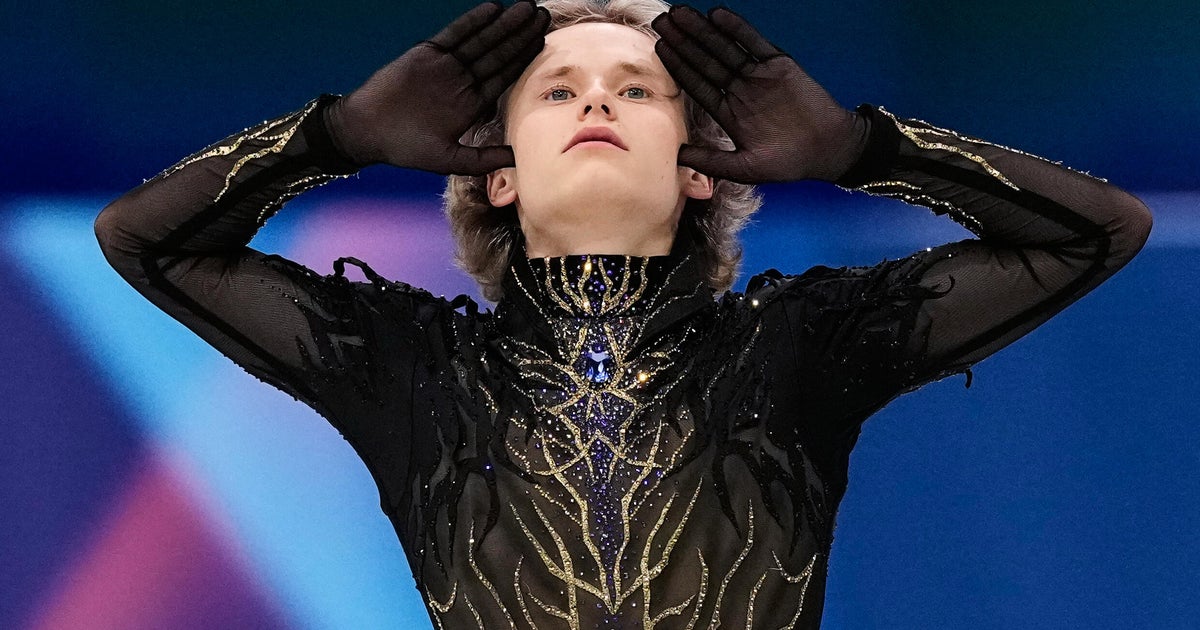

Rising Above Olympic Disappointment: Ilia Malinin’s Journey of Resilience
Finding Meaning in Failure on the World’s Biggest Stage
When the spotlight shines brightest and millions of eyes are watching, stumbling can feel like the end of the world. For twenty-one-year-old Ilia Malinin, Team USA’s top contender for figure skating gold at the Milano Cortina Winter Games, that stumble happened at the worst possible moment—during the individual men’s figure skating event. Despite entering the competition as a favorite, Malinin finished eighth, failing to reach the podium that so many had predicted would be his. The disappointment was palpable, both for the young athlete and for fans who had watched him dominate the sport in the years leading up to this moment. Yet in the aftermath of what could have been a career-defining victory, Malinin has chosen a path that speaks volumes about his character and maturity. Rather than wallowing in regret or making excuses, he’s embracing a philosophy that many athletes struggle to accept: that sometimes, our greatest lessons come not from our triumphs, but from our failures.
In a candid interview with CBS News just days after his disappointing performance, Malinin opened up about his mindset and his determination to move forward. “Everything happens for a reason,” he explained, his voice carrying the weight of someone who has had to process a very public setback. He emphasized that he has chosen to believe that “you learn a lot more from failure than you do winning.” This perspective, while difficult to maintain in the immediate aftermath of such a high-profile disappointment, reflects a maturity beyond his years. The young skater’s ability to reframe his experience demonstrates an understanding that success in athletics—and in life—isn’t measured solely by medals and podium finishes, but by how we respond when things don’t go according to plan.
The “Quad God” Identity: Pushing Boundaries Beyond Gold Medals
What makes Malinin’s response even more remarkable is his unwavering commitment to his identity as an innovator in the sport. Known affectionately as the “Quad God” for his ability to land incredibly difficult quadruple jumps—including the signature quadruple axel that has become his trademark—Malinin sees his role in figure skating as something bigger than any single competition. During the Olympic free skate, he was unable to land his quadruple axel, a jump so difficult that he remains one of the only skaters in the world capable of attempting it in competition. For many athletes, such a public failure might lead to a more conservative approach, a retreat to safer, more reliable elements. But Malinin is charting a different course entirely.
“I think I would be much better to be known as ‘Quad God,’ as you say, rather than winning gold medal,” Malinin stated, revealing a perspective that prioritizes legacy and innovation over immediate victory. This declaration is revolutionary in the often conservative world of figure skating, where the pressure to play it safe and rack up points can sometimes stifle creativity and progress. Instead of scaling back his technical ambitions, Malinin has committed to increasing both the number and difficulty level of his jumps moving forward. He wants to continue pushing the boundaries of what’s possible in the sport, understanding that his contribution to figure skating’s evolution may ultimately be more significant than any single medal. This long-term vision, especially in the face of recent disappointment, demonstrates a rare combination of confidence, resilience, and genuine passion for the sport itself rather than just its rewards.
The Emotional Reality of Olympic Pressure
Malinin hasn’t shied away from acknowledging the emotional toll of his Olympic experience. He admitted that he was deeply affected by the flawed performance during the individual competition, which took place on a Friday that will likely be etched in his memory for years to come. Olympic stress and pressure are unlike anything else in athletics—the quadrennial nature of the Games means that athletes often get just one chance, sometimes two if they’re lucky, to achieve their dreams on this particular stage. For a first-time Olympian like Malinin, the weight of expectations from fans, coaches, sponsors, and himself created a perfect storm of pressure that ultimately contributed to multiple falls during his performance.
But rather than hiding from the difficulty of that moment, Malinin has chosen to use it as a teaching opportunity for those watching. “In the end, it’s really hard, physically, mentally, emotionally. There’s so much that goes into this sport, and the people don’t really realize what’s happening,” he explained. This honest assessment pulls back the curtain on elite athletics, reminding viewers that what looks graceful and effortless on television represents the culmination of countless hours of training, immense physical strain, and extraordinary mental fortitude. The skaters who make it to the Olympic level aren’t just athletes—they’re performers managing complex choreography, technicians executing physics-defying jumps, and human beings dealing with the very real emotional consequences of competing under extraordinary pressure. Malinin’s willingness to speak openly about these challenges helps demystify the sport and creates space for more honest conversations about mental health and performance anxiety in athletics.
A Relatable Reminder That Everyone Has Bad Days
One of the most humanizing aspects of Malinin’s response to his Olympic disappointment has been his emphasis on the universality of the experience. He hopes that people watching his struggles will see themselves in his story and understand that he simply had “a bad day in his life.” This framing is both humble and profound—it acknowledges that even the world’s most elite athletes are subject to the same ups and downs that everyone experiences. “People go through good days and bad days,” Malinin noted, offering a perspective that can resonate with anyone who has ever faced a setback, whether in sports, career, relationships, or any other aspect of life.
This message of shared human experience is particularly powerful coming from someone who operates at the pinnacle of athletic achievement. It’s easy for fans to view Olympic athletes as somehow different from ordinary people, as if their talent and dedication place them beyond the reach of normal struggles. But Malinin’s candidness serves as a reminder that excellence doesn’t insulate anyone from difficulty, disappointment, or failure. In fact, those who reach the highest levels of any field often face even greater challenges because the stakes are so much higher and the scrutiny so much more intense. By openly discussing his “bad day,” Malinin not only makes himself more relatable but also provides comfort to anyone facing their own setbacks. His story becomes a reminder that failure isn’t the opposite of success—it’s often a necessary step on the path toward it.
Moving Forward: The Next Chapter Begins in Prague
Despite the disappointment of his eighth-place finish in the individual event, Malinin did leave Milano Cortina with a gold medal from the team competition, a achievement that shouldn’t be overlooked even as he processes the individual result that fell short of expectations. But perhaps more importantly, he’s already looking ahead to his next opportunity to showcase his skills and continue his journey in the sport. Malinin has confirmed that he will compete in the 2026 World Figure Skating Championships, scheduled for next month in Prague, demonstrating the kind of resilience that defines truly great athletes.
“You have to get up and skate the next day,” he said, encapsulating the forward-focused mentality that will likely serve him well throughout his career. This simple statement contains profound wisdom about perseverance and the nature of athletic competition. There’s no time for extended mourning in the life of an elite figure skater—the season continues, the next competition approaches, and the only way to move past disappointment is to quite literally get back on the ice and try again. The World Championships represent an immediate opportunity for Malinin to prove that his Olympic performance was an aberration rather than a trend, to land the quadruple axel that eluded him in Milan, and to remind the skating world why he’s earned the nickname “Quad God.” More than that, it’s a chance to demonstrate that his philosophy about learning from failure isn’t just talk—it’s a genuine approach to growth and improvement that will define the rest of his career. As he prepares for Prague, Malinin carries with him not just the disappointment of what didn’t happen in Italy, but also the wisdom gained from facing adversity on the world’s biggest stage and choosing to rise above it.