


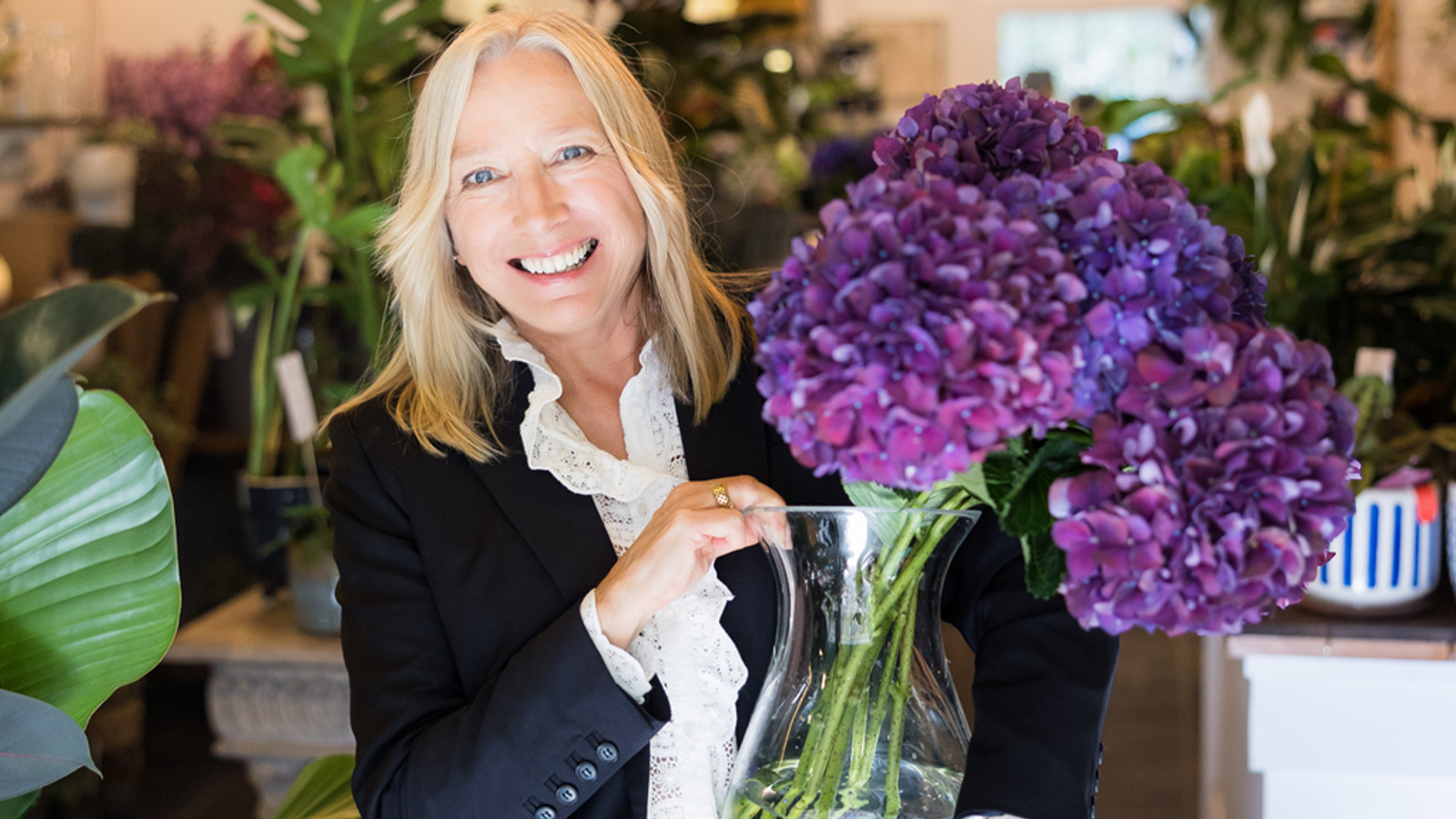

Life as a Professional Florist: The Beautiful Reality Behind the Blooms
The Career Path and Financial Reality
When Catherine Traynor, founder of Snapdragon Edinburgh, talks about her profession, she’s refreshingly honest from the start: nobody becomes a florist to get rich. The financial landscape of floristry is modest compared to many careers, with salaries typically ranging from approximately £27,000 for those just starting out or in training positions, climbing to around £40,000 for experienced senior florists who manage shops. Between these bookends lie various levels determined by accumulated skills and years of experience. Unlike many professions that require specific university degrees, floristry is largely a hands-on craft learned through direct experience. While some college courses exist, most florists develop their expertise on the job, learning techniques and trade secrets from more experienced colleagues. Many supplement this practical training with private floristry courses taken along their journey. What Traynor and her colleagues have consistently found is that the best florists aren’t necessarily those with the most formal education, but rather creative individuals who possess a genuine passion for flowers. This intrinsic love for the craft often proves more valuable than any certificate, as it drives florists through the physically demanding days and challenging conditions that come with the territory.
The Science of Keeping Flowers Fresh
Understanding flower longevity is both an art and a science that professional florists master over time. The general rule of thumb is straightforward: if a flower arrives fully open, it won’t grace your vase for long. However, predicting exact vase life remains impossible due to the incredible variety of flowers, each with different characteristics and lifespans. Some hardy varieties like chrysanthemums defy the usual expectations and can last considerably longer even when fully bloomed. For customers wanting to maximize their floral investment, Traynor shares professional secrets that anyone can implement at home. The process begins with cutting stems at a diagonal angle, which increases the surface area for water absorption. Fresh, cool water provides the best environment, and this isn’t a set-it-and-forget-it situation—water should be topped up daily and completely replaced every two to three days. During water changes, stems should be recut and any declining stems removed to prevent bacteria from affecting the healthy flowers. Placement matters tremendously: flowers should live away from direct sunlight and radiators, as cooler spots significantly extend their display time. Interestingly, Traynor’s shop has moved away from recommending flower food, a product long marketed as essential for flower care. Their experiments over the years have revealed no meaningful improvement in vase life compared to simply following the fundamental care steps. When it comes to cutting tools, sharp florist scissors or a sharp knife are essential—anything that might crush the stems should be avoided, as crushed tissue impedes water uptake and hastens decline.
The Art and Challenges of Flower Arrangement
The most common mistake people make when working with flowers at home isn’t related to flower choice or color coordination—it’s choosing the wrong vase. Traynor sees this repeatedly: people select containers that are too small and too short to properly support their flowers. For professionally arranged bouquets, she recommends a vase approximately two-thirds the height of the arrangement. A crucial tip is to loosen the string or binding when placing flowers in the vase, allowing the arranged shape to maintain its structure while achieving a natural, flowing appearance. For those arranging flowers themselves, vase size should match the flower type and stem length. Traynor advocates for an approach that often yields the most beautiful results: using single varieties of flowers rather than complex mixed arrangements. She particularly emphasizes the importance of foliage, which serves dual purposes—it provides structural support for the flowers and creates that coveted natural, garden-gathered aesthetic. This approach proves more forgiving for home arrangers while delivering professional-looking results. At the shop level, maintaining freshness requires constant vigilance. Snapdragon Edinburgh keeps their space consistently cool even during summer months, and they receive deliveries from wholesalers every couple of days, ensuring flowers never languish too long before reaching customers. This rapid turnover, combined with plenty of fresh, cool water and appropriate storage temperatures, forms the foundation of their quality guarantee.
Understanding Florist Pricing and Industry Economics
Many customers experience sticker shock when comparing florist prices to supermarket bouquets, but the economics tell a complex story. Florist pricing reflects several layers beyond the simple wholesale cost of cut flowers. Unlike retail products that can simply be placed on shelves, flowers are raw materials requiring conditioning and careful preparation. Each stem demands attention—stripping lower leaves, cutting stems properly, and ensuring optimal hydration. Beyond these preparation costs, design fees factor into arranged pieces like bouquets, table centerpieces, and elaborate installations such as floral arches. These fees scale with the complexity and time investment required for each design. The supermarket comparison, Traynor explains, isn’t entirely fair to independent florists. Large supermarket chains use flowers as loss leaders—products sold at minimal markup to draw customers into stores where they’ll purchase other items. Their massive buying power allows them to purchase at rates small businesses simply cannot access, and they typically sell at prices barely above their own costs. While this benefits budget-conscious consumers, it creates an unrealistic pricing expectation that doesn’t account for the difference in product quality, freshness, and the artistic service florists provide. Supermarket offerings, as Traynor diplomatically notes, often tend toward the “uninspiring and ordinary.” Seasonal price fluctuations, particularly around Valentine’s Day and Mother’s Day, draw customer complaints about profiteering, but the reality is pure supply and demand economics. The pressure to produce enormous volumes of perishable products for specific dates creates genuine scarcity, and every business in the supply chain faces extraordinary challenges delivering within these tight timeframes.
The Rhythm of the Floristry Year and Customer Patterns
The floristry calendar follows predictable patterns that dictate workload and stress levels throughout the year. For Snapdragon Edinburgh, the entire month of December represents their most intense period, with Valentine’s Day and Mother’s Day creating additional pressure points. However, because Edinburgh serves as a popular wedding destination, the business maintains steady activity year-round, with weddings dominating the schedule from May through October. Valentine’s Day reveals interesting gender patterns in flower purchasing: men predominantly buy the flowers, gravitating heavily toward red roses or mixed bouquets featuring red roses, though pink arrangements also prove consistently popular. The Valentine’s price increases that frustrate customers aren’t arbitrary profit grabs but reflect genuine supply chain pressures when demand spikes dramatically within an inflexible timeframe. On the luxury end, Traynor recalls creating a mixed rose bouquet valued around £400, though their standard high-end everyday item is a large vase arrangement priced at £150. Wedding work, while creatively fulfilling, can present challenges when clients request designs that clash fundamentally with the shop’s aesthetic, despite that style being clearly displayed on their website and Instagram. These situations require delicate navigation, balancing customer desires with the shop’s artistic identity. The business does maintain community connections through charitable giving, supporting various fundraisers throughout the year with donated flowers and occasionally providing excess stock to local nursing homes and nurseries, though their improved buying practices mean excess inventory occurs less frequently now.
The Physical Reality and Unexpected Truths of Floristry
Behind the romantic image of working with beautiful blooms lies a physically demanding reality that most customers never consider. Florists spend their days hauling heavy buckets filled with water and flowers, remaining on their feet for hours at a stretch. The work environment often skews cold—necessary for flower preservation but uncomfortable for human workers. During high-pressure periods like large weddings, stress levels can reach intense peaks as florists work against tight deadlines with perishable materials that don’t forgive mistakes. When asked what she hates most about her job, Traynor’s answer is simple and direct: the cold. Yet despite these challenges, there are moments of humor and joy. Last-minute customers rushing in with urgent, highly specific requests for flowers the shop likely doesn’t stock provide regular comedy, though the team always manages to suggest something beautiful and appropriate. The seasonal approach to flower selection helps keep costs reasonable while ensuring quality and freshness, but Traynor wants customers to understand that flowers remain a luxury item that will never be cheap. When brides fall in love with specialty garden roses that cost an eye-watering £10 per stem, the florist can usually suggest equally beautiful alternative varieties at half the price. This consultative approach helps clients achieve their vision within budget constraints. Perhaps the most important message Traynor wants to convey is that floral beauty doesn’t require extravagance. A few carefully chosen stems in a small vase on a desk or mantel provide the same spirit-lifting effect as an elaborate arrangement, which explains why the small, affordable posies and flower wraps displayed outside their shop sell consistently day after day.