



How One Ship’s Journey Underlines the Battle for Energy
The New Frontier of Global Energy Competition
The world’s energy landscape is undergoing a dramatic transformation, and nowhere is this more evident than in the journeys of massive vessels crossing our oceans, carrying the lifeblood of modern civilization. One particular ship’s voyage has come to symbolize the intense geopolitical struggles, economic pressures, and environmental challenges that define our current era. As nations scramble to secure energy supplies while simultaneously facing pressure to reduce carbon emissions, the maritime routes that connect energy producers with consumers have become critical battlegrounds. These shipping lanes represent more than just trade routes; they are the arteries through which global power flows, and the ships that traverse them carry not just cargo, but the hopes and fears of nations dependent on steady energy supplies. The story of one such vessel illuminates the complex web of international relations, market forces, and strategic calculations that shape our world’s energy future.
The global energy market has always been subject to volatility, but recent years have seen unprecedented disruption. From pandemic-induced demand fluctuations to geopolitical tensions that have redrawn the map of energy trade, the industry faces challenges unlike any in recent history. Countries that once enjoyed stable, predictable energy relationships now find themselves seeking new partners and forging new alliances. The ships that carry liquefied natural gas (LNG), crude oil, and other energy commodities have become chess pieces in a high-stakes game where national security, economic prosperity, and climate commitments collide. Understanding the journey of a single ship offers a microcosm of these larger forces at play, revealing how decisions made in corporate boardrooms and government offices ripple across oceans and impact the daily lives of billions of people.
A Vessel at the Center of Change
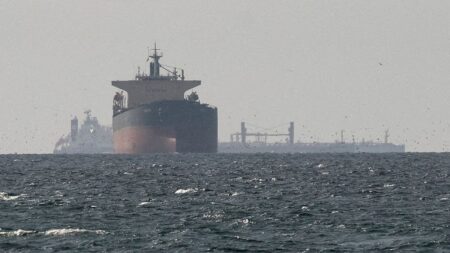
The ship at the heart of this story represents the cutting edge of energy transportation technology. Modern LNG carriers are marvels of engineering, capable of cooling natural gas to minus 162 degrees Celsius, transforming it into a liquid that occupies a fraction of its gaseous volume. These floating refrigerators can carry enough energy to power a major city for weeks, making them indispensable tools in the global energy infrastructure. The particular vessel whose journey illuminates the current energy battle embarked on a route that would have been unthinkable just a few years ago, highlighting how rapidly the energy trade is evolving. Its itinerary was dictated not just by commercial considerations but by the complex interplay of sanctions, diplomatic relationships, and the desperate need of importing nations to keep their lights on and factories running.
As this ship departed from its loading terminal, it carried with it the economic hopes of the exporting nation and represented a critical lifeline for its destination country. The cargo’s value ran into hundreds of millions of dollars, but its strategic importance was incalculable. For the exporting nation, the shipment represented vital revenue needed to sustain government budgets and economic development plans. For the importing nation, it meant the difference between energy security and potential shortages that could cripple industries and leave citizens without power during crucial periods. The ship’s captain and crew, while focused on the technical challenges of safely transporting such a valuable and potentially dangerous cargo, were also aware that their voyage had implications far beyond their professional responsibilities. They were participants in a global energy drama that would affect the lives of millions.
The Geopolitical Chessboard
The route this ship followed tells a story of how geopolitical tensions are redrawing the global energy map. Traditional energy trade patterns, established over decades, have been upended by conflicts, sanctions, and shifting alliances. Countries that once relied on specific suppliers have been forced to seek alternatives, often at considerable additional cost. The ship’s journey took it through waters where maritime security concerns add another layer of complexity to energy trade. Narrow straits and congested sea lanes represent potential chokepoints where the free flow of energy could be disrupted, making naval power and maritime security central to energy security. Nations are increasingly aware that control over these strategic waterways translates into leverage over the global economy.
European countries, which previously enjoyed reliable pipeline supplies from Russia, have found themselves scrambling to secure alternative sources following geopolitical ruptures. This has sent them into intense competition with Asian buyers for LNG cargoes, driving up prices and creating a truly global market for natural gas that didn’t exist in the same form just a few years ago. The United States has emerged as a major LNG exporter, fundamentally altering its role in global energy markets. Qatar, Australia, and other producers have seen their strategic importance grow exponentially. Meanwhile, Russia has sought to redirect its energy exports eastward, forging closer ties with China and India. The ship’s route reflected these new realities, potentially linking suppliers and buyers who would not have been partners in the pre-crisis energy landscape. Every port of call, every change in destination, and every contract signed for its cargo reflected the shifting power dynamics that define contemporary international relations.
Economic Pressures and Market Forces
Beyond geopolitics, the ship’s journey illustrates the brutal economics of the energy trade. The LNG market operates on razor-thin margins despite the enormous sums involved, and shipping costs represent a significant portion of the final price consumers pay. When this vessel embarked on its voyage, traders were closely watching natural gas prices at various global hubs, calculating whether it made more sense to deliver the cargo to its originally contracted destination or to divert it mid-voyage to wherever prices had risen highest. This practice, known as cargo diversion, has become increasingly common as the LNG market has become more liquid and globally integrated. The ship effectively became a floating commodity, with its destination potentially changing based on real-time market signals and the profit-maximizing calculations of its cargo’s owners.
The economics of energy shipping are further complicated by the significant capital investments required. Modern LNG carriers can cost upwards of $200 million to build, and their operation requires specialized crews and extensive safety protocols. These vessels typically operate under long-term charter agreements designed to provide steady returns on investment, but the recent volatility in energy markets has disrupted traditional business models. Some ship owners have found themselves in unexpectedly advantageous positions as freight rates have soared during periods of high demand, while others have struggled when cargoes were cancelled or delayed. The environmental regulations governing ship emissions add another cost dimension, as older vessels face potential obsolescence if they cannot meet tightening standards. The ship in question represented significant financial stakes not just for the energy companies whose gas it carried, but for the shipping company that owned it, the banks that financed its construction, and the insurers who underwrote the risks of its voyage.
Environmental Contradictions and the Energy Transition
Perhaps the most profound aspect of this ship’s journey is what it reveals about the contradictions at the heart of the global energy transition. Natural gas is often promoted as a “bridge fuel” – cleaner than coal and oil, capable of reducing emissions while renewable energy infrastructure is built out. Yet it remains a fossil fuel, and its production, transportation, and consumption all generate greenhouse gases. The ship itself, despite being a relatively modern and efficient vessel, burns fuel and emits carbon dioxide in the course of its voyage. The method of cooling and transporting LNG is energy-intensive, and some of the gas inevitably escapes as methane, a greenhouse gas far more potent than carbon dioxide. Critics argue that massive investments in LNG infrastructure lock in decades of continued fossil fuel dependence, undermining climate goals.
Yet the reality facing policymakers is that renewable energy, despite impressive growth, cannot yet fully replace fossil fuels in meeting global energy demand. Countries face the immediate challenge of keeping their economies running and their citizens warm, even as they pursue longer-term decarbonization goals. The ship’s cargo represented this uncomfortable compromise – a fossil fuel being desperately sought to address immediate energy security concerns, even as the same countries seeking it have committed to net-zero emissions targets. This tension between short-term energy security and long-term climate objectives defines the current moment in energy policy. Some countries have delayed the retirement of coal plants, despite their higher emissions, because they lack access to sufficient natural gas supplies. Others have expedited LNG import terminal construction, infrastructure that will likely remain in operation for decades even if it eventually becomes a stranded asset in a decarbonized economy. The ship’s journey thus symbolizes not just the current energy battle, but the deeper question of how humanity navigates the transition from its fossil fuel past to a renewable energy future.
Lessons for the Future
The voyage of this single ship offers crucial insights into the challenges that lie ahead. It demonstrates that energy security remains paramount for nations, sometimes overriding other considerations including cost and environmental impact. It shows that the infrastructure of energy supply – ships, pipelines, terminals, and storage facilities – represents both enormous investment and potential vulnerability. It reveals that energy markets are increasingly global, interconnected, and volatile, with events in one region rapidly affecting prices and availability worldwide. And it underscores that the transition to clean energy, while necessary, will be far more complex and prolonged than optimistic projections sometimes suggest. The geopolitical power of energy-producing nations remains substantial, and that power is being exercised in new ways as traditional relationships fracture and new ones form. Countries that can secure diverse energy supplies, maintain strategic reserves, and develop domestic production capacity will have significant advantages in the emerging world order. Those that remain heavily dependent on single suppliers or that lack the financial resources to compete for available supplies will face continued vulnerability. As this ship completed its journey and delivered its cargo, it had written another chapter in the ongoing saga of global energy competition – a competition that will shape the 21st century as profoundly as oil shaped the 20th.