
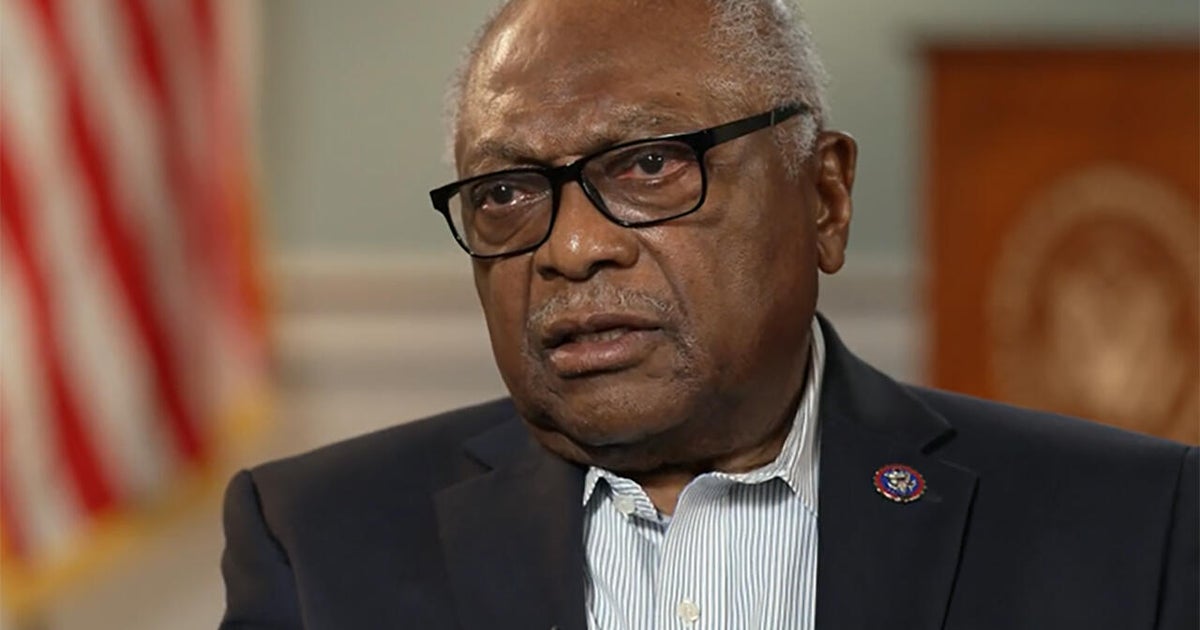

Jim Clyburn: The Enduring Force in Democratic Politics and His Fight for Civil Rights
South Carolina’s Political Powerhouse
For anyone who has followed Democratic presidential politics over the past few decades, South Carolina’s importance cannot be overstated. It serves as an early and crucial testing ground in primary races and has established itself as a genuine center of power within the Democratic Party. At the heart of this influence stands Jim Clyburn, South Carolina’s only Black representative in the U.S. House and the state’s sole Democratic congressman. Despite African Americans comprising about a quarter of South Carolina’s population, Clyburn has remained their singular voice in federal representation for over three decades. His journey from civil rights activist to party strategist and political kingmaker has been built through the most human of methods – one handshake and one hug at a time. His annual fish fry has become legendary in political circles, a mandatory stop for any Democrat harboring White House ambitions. This event symbolizes more than just a social gathering; it represents Clyburn’s ability to connect with people on a personal level while wielding considerable political influence that can make or break presidential campaigns.
The Kingmaker’s Role in Biden’s 2020 Victory
The 2020 presidential election provides perhaps the most dramatic example of Jim Clyburn’s political influence. When asked about Joe Biden’s assertion that receiving Clyburn’s endorsement was crucial to his victory, Clyburn responded with characteristic political savvy and humility: “That might be true. He says it’s true! I don’t know!” But then, acknowledging his political acumen, he added with a knowing smile, “I’m too good a politician to deny that.” This moment captured the essence of Clyburn’s power – significant enough to potentially change the course of American history, yet wielded with enough grace to avoid appearing arrogant. The endorsement came at a critical moment when Biden’s campaign was faltering, and South Carolina’s primary became a turning point that revitalized his presidential bid. The image of Vice President Joe Biden standing alongside Clyburn on stage in Columbia, South Carolina, on February 29, 2020, after declaring victory in the state’s presidential primary, became an iconic representation of this political partnership and the power of timely support from a trusted leader within the Democratic Party.
From Civil Rights Activist to Congressional Leader
Clyburn’s political journey began in the turbulent 1960s when he served as a campus organizer fighting for civil rights. It was during this formative period that he had the profound experience of meeting Dr. Martin Luther King Jr., an encounter that would shape his understanding of leadership and social justice for the rest of his life. Perhaps equally important, he met his late wife, Emily, while they were both protesting for civil rights, demonstrating how deeply intertwined his personal life and political activism have always been. When discussing the connection between past and present struggles, Clyburn draws a direct line from the oppressive Jim Crow laws he protested against in his youth to the present-day efforts to roll back the 1965 Voting Rights Act. This historical perspective gives him a unique authority when discussing contemporary political challenges. When asked whether Democrats today are doing enough to fight for voting rights, Clyburn refused to let the issue be framed along partisan lines: “I don’t think the American people are doing enough. I’m not gonna allow this to be a Democrat versus a Republican thing. That is not policy and politics; that is what we as Americans ought to be about.” His response reflects a broader vision of civic responsibility that transcends party politics. When questioned about whether the fights and debates over civil rights issues from the 1960s ever truly ended, Clyburn offered a sobering observation: “Well, they did end. They’re just coming back.” This statement encapsulates his concern that hard-won victories are not permanent and require constant vigilance to maintain.
Concerns About Democracy and Campaign Strategy
Beyond civil rights, Clyburn has expressed significant concerns about the state of American democracy itself. He stated that should Democrats win the majority in upcoming elections, he expects that certain political leaders will not respect the result unless it’s overwhelming. “I absolutely believe that, because he’s done it before,” Clyburn said, referring to former President Trump’s past behavior. “The best way to tell what a person will do is to look at what he or she has done. And so, if he’s done it, he’s capable of doing it again.” This frank assessment reveals Clyburn’s pragmatic approach to politics – he relies on observed behavior rather than optimistic assumptions. Regarding President Biden’s decision to drop out of his 2024 reelection bid, Clyburn offered measured support, calling it “the right decision for him” and “the right decision for the party.” However, he didn’t stop there. Clyburn expressed notable frustrations with how Democrats conducted their national campaign after Biden’s withdrawal, stating that “some decisions were made after that which were not good decisions. I think mistakes were made in how the campaign went forward.” He revealed that he received numerous phone calls from people across the country, particularly from Michigan and Pennsylvania, pleading with him to tell party leadership that “they are not doing what we need to do to turn this vote out.” Most tellingly, Clyburn criticized what he saw as an over-reliance on data analytics: “I know that people felt that algorithms were driving the train rather than people who had the boots that needed to be put on the ground.” This observation speaks to a larger tension in modern politics between data-driven campaign strategies and traditional grassroots organizing.
Seeking Re-election and Mentoring the Next Generation
Earlier this month, CBS News’ “Sunday Morning” followed Clyburn to South Carolina State University, his alma mater and a historically Black institution. There, he shared wisdom with students that reflected his decades of experience: “When you think about leadership, being someone’s representative, make an early decision as to what you want to do in that representation. Do you want to make headlines? Or do you want to make headway?” This question encapsulates Clyburn’s philosophy of leadership – prioritizing substantive progress over attention-seeking behavior. His recent announcement that he will seek re-election for an 18th term has made headlines of its own, particularly given that he will turn 86 this summer. Clyburn acknowledges that this decision didn’t come easily and involved considerable soul-searching. He recalled a particularly pointed conversation: “I was talking to one person who said to me, ‘Are you sure that you’re doing this out of concern, or selfishness?’ And I asked myself, are you being selfish, or do you still maintain concern for your constituents? And I do.” This moment of vulnerability reveals the human side of a political figure often viewed primarily through the lens of power and influence.
The Legacy and Future of Leadership
Clyburn is not alone among older congressional members seeking to continue their service. There are approximately a dozen members of Congress who are 80 or older and running for re-election this year, making age and generational transition significant issues in American politics. When asked what keeps him going despite his age, Clyburn provided a simple but profound answer rooted in family values: “My parents instilled in me the obligation to carry it forward.” This sense of obligation connects his personal history to his public service, suggesting that his continued presence in Congress is about more than personal ambition – it’s about fulfilling a responsibility to those who came before him and those who will come after. Even after more than three decades in Congress, Jim Clyburn wants to remain in the ring for at least one more round, continuing to fight for the causes that have defined his career: civil rights, voting rights, and the expansion of opportunity for all Americans. His story, documented in his book “The First Eight,” examines his predecessors – the nine Black men, including himself, who have represented South Carolina in the House of Representatives, particularly those who served during and after Reconstruction and helped direct the course of America during one of its most transformative periods. As Clyburn continues his political journey, he represents both a living connection to the civil rights struggles of the past and an active participant in contemporary political battles, demonstrating that the fight for justice and equality remains an ongoing American challenge.