

Federal Charges Against COVID-19 Era Health Official: What You Need to Know
Senior Health Adviser Accused of Hiding Pandemic Records
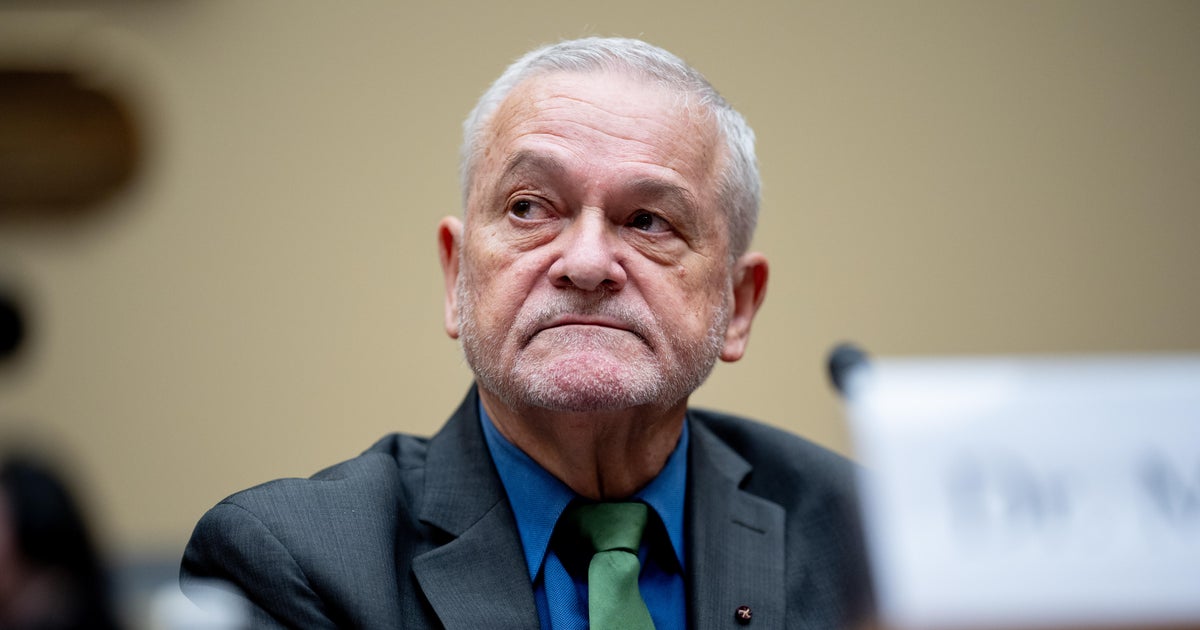
The Justice Department has filed serious charges against Dr. David Morens, a 78-year-old former senior adviser at the National Institute of Allergy and Infectious Diseases (NIAID). The indictment, handed down by a federal grand jury, accuses Morens of orchestrating a scheme to conceal important federal records during the COVID-19 pandemic from public scrutiny. Morens faces five separate charges, including conspiracy, destruction of records during federal investigations, and deliberately hiding official documents. He made his first court appearance before a federal magistrate judge on Monday and is scheduled for arraignment next week. Morens held his position as senior adviser in NIAID’s Office of the Director from 2006 until 2022, working under the leadership of Dr. Anthony Fauci, who directed the institute for nearly four decades and served under seven different presidents before retiring in 2022 during the Biden administration.
The Allegations: A Web of Concealment Involving Controversial Research
According to prosecutors, Morens didn’t act alone in this alleged scheme to hide public records. The indictment identifies two unnamed co-conspirators who worked with Morens to defraud the United States government by shielding federal documents related to the pandemic from public view. The first co-conspirator is described as the president and CEO of a New York-based nonprofit organization that received a controversial federal grant back in 2014 titled “Understanding the Risk of Bat Coronavirus Emergence.” This nonprofit then provided a subaward to the Wuhan Institute of Virology in China—a lab that would later become central to debates about COVID-19’s origins. The second co-conspirator is identified in the indictment as a physician, scientist, and professor affiliated with an academic institution that received federal funding. While the indictment doesn’t explicitly name these individuals, emails released in 2024 by the Republican-led Select Subcommittee on the Coronavirus Pandemic strongly suggest the New York organization is EcoHealth Alliance and that the first co-conspirator is Peter Daszak, the organization’s president. The charges specifically arose from several Freedom of Information Act (FOIA) requests that NIAID received between April 2020 and December 2022 from watchdog organizations like Judicial Watch and the Heritage Foundation, all seeking communications between Morens, the grant recipient organization, and its president.
Using Personal Email to Evade Public Records Laws
The heart of the government’s case against Morens revolves around his alleged use of a personal Gmail account to conduct official business and hide communications from public record. Prosecutors claim that Morens began communicating with the nonprofit president (co-conspirator 1) in early 2020 as the coronavirus pandemic was just emerging, receiving information about the bat coronavirus grant the organization had been awarded years earlier. That grant became particularly controversial and was terminated in April 2020 after the National Institutes of Health said it was investigating allegations that the pandemic might have resulted from a laboratory leak at the Wuhan Institute of Virology. According to the indictment, Morens and the two co-conspirators deliberately used his personal Gmail account rather than his official government email to exchange messages about COVID-19, the bat coronavirus grant, and requests for documents concerning the grant and the origins of the pandemic—all in an effort to circumvent federal public records laws. The alleged scheme also involved using the Gmail account to share non-public information from the National Institutes of Health about the pandemic and to provide “back-channel” information to a senior NIAID official, who appears to be Dr. Fauci based on the charging documents, though Fauci has not been accused of any wrongdoing.
Favoritism, Gifts, and Academic Influence
The allegations go beyond simply hiding records to include claims that Morens used his influential government position to benefit the New York-based organization and its leadership in exchange for personal gifts. The indictment claims that Morens authored a submission to a medical journal that attempted to counter the laboratory leak theory of COVID-19’s origin, instead emphasizing evidence supporting the natural origin hypothesis—work that the Justice Department says was intended to benefit the New York company and its president. Prosecutors also allege that Morens leveraged his position as a senior adviser at NIAID to “engage in official acts favorable” to the organization and its leader, while receiving various gratuities in return. In one particularly telling example from June 2020, the first co-conspirator allegedly sent Morens two bottles of wine to his home with a note that read: “This is the first of what I hope will be a continued series of expressions of gratitude for your advice, support, and behind-the-scenes shenanigans in my battle against your bosses boss, his boss, and the ultimate boss on the hill.” According to the indictment, the co-conspirator also promised Morens additional gifts, including meals at Michelin-starred restaurants in major cities like Paris, Washington, D.C., and New York.
Congressional Investigation and Fauci’s Distance from the Scandal
Republicans in Congress launched an extensive investigation into the origins of the COVID-19 pandemic, including examining the possibility that the virus leaked from the Wuhan laboratory, as well as scrutinizing Dr. Fauci’s handling of the pandemic response. Dr. Fauci testified for 14 hours before the Republican-led House Select Subcommittee on the Coronavirus Pandemic in 2024 in closed-door sessions, then returned later that year for public questioning. Morens also appeared before the pandemic subcommittee in May 2024, where lawmakers confronted him with emails that appeared to show he was deliberately trying to circumvent FOIA rules to keep communications hidden from public view. During his June 2024 testimony, Fauci made efforts to distance himself from Morens and the investigation surrounding him, telling lawmakers that they worked in different buildings on the National Institutes of Health campus and emphasizing that Morens was not an adviser to him on “institute policy or other substantive issues.” Fauci also stated for the record that many of Morens’ actions were wrong and violated agency policy, and he denied using his personal email to conduct official government business, drawing a clear line between his conduct and that of his former colleague.
Political Reactions and the Lasting Impact
The charges against Morens have become yet another flashpoint in the ongoing political battles surrounding the pandemic response and the search for answers about COVID-19’s origins. Rep. James Comer, the Republican chairman of the House Oversight and Government Reform Committee, praised the Justice Department for pursuing charges against Morens, stating: “We caught Dr. Morens red-handed as he boasted in emails about how the ‘FOIA lady’ coached him on how to hide records and cover-up information. I applaud the Trump Justice Department for taking action to hold this public official accountable for hiding information from the American people.” The case highlights the complicated and often contentious relationship between the Trump administration and public health officials during the pandemic. While Dr. Fauci regularly appeared alongside President Trump at public briefings during the early weeks of the COVID-19 crisis, their relationship became increasingly strained as Fauci’s public health guidance differed from the president’s messaging. In the first days of Trump’s second term in office, he removed Fauci’s security detail, and former President Biden preemptively pardoned Fauci before leaving office, anticipating that he might be targeted by the incoming Trump administration. The case against Morens represents more than just allegations against one individual—it speaks to broader concerns about transparency in government, the handling of the pandemic response, and the ongoing quest to understand the true origins of COVID-19, questions that continue to divide Americans along political lines years after the pandemic began.