
Jill Zarin Removed from E! Reality Show Following Super Bowl Halftime Controversy
The Fallout from Social Media Comments
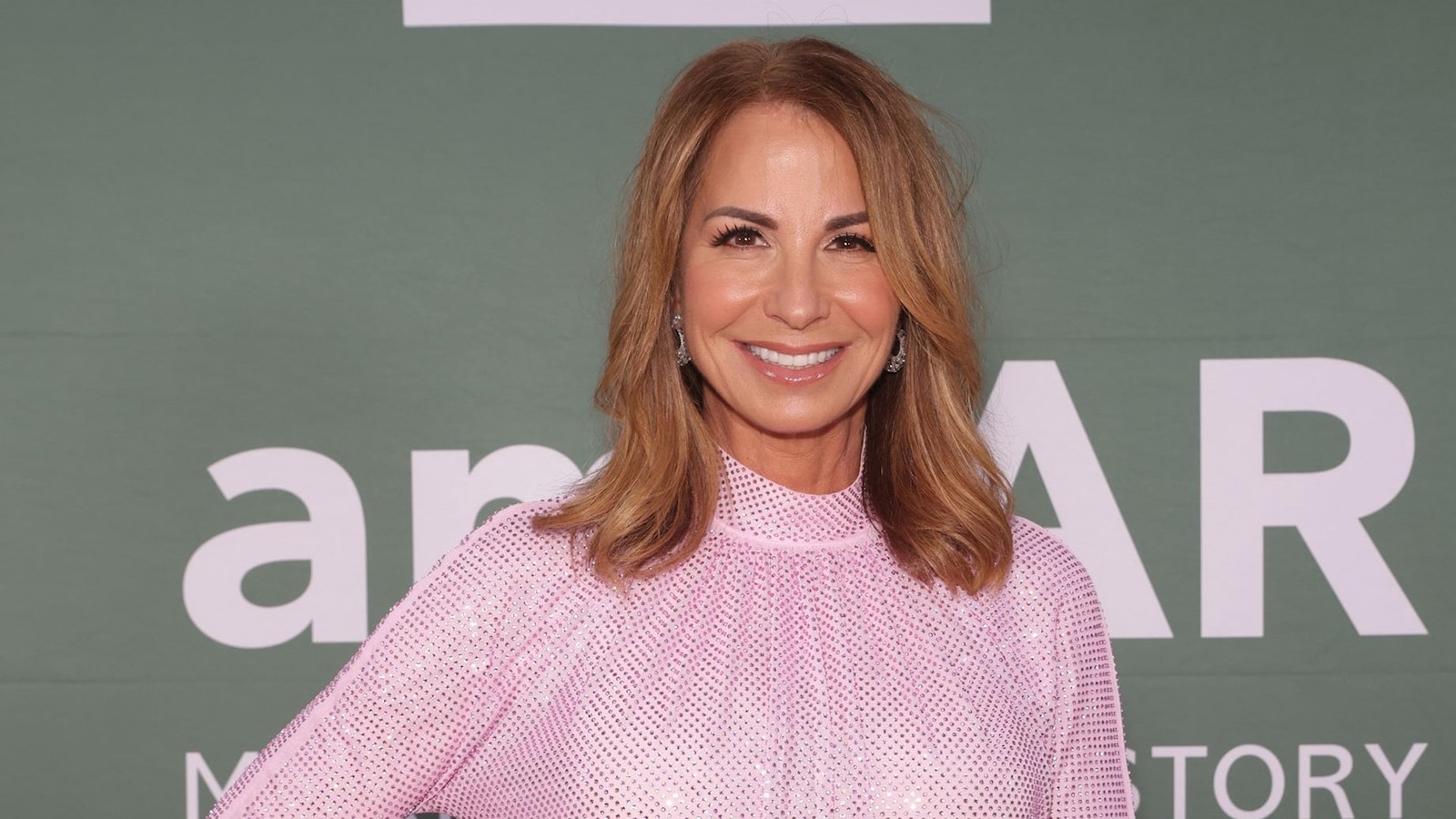
The world of reality television has once again found itself at the center of controversy, this time involving beloved “Real Housewives of New York City” original cast member Jill Zarin. The television personality has been removed from E!’s upcoming reunion series “The Golden Life” after posting controversial comments on social media about Bad Bunny’s Super Bowl LX halftime show performance. The decision, announced by production company Blink49 Studios on Tuesday, marks a significant moment in the ongoing conversation about cultural sensitivity and the responsibilities that come with having a public platform. In their official statement to ABC News, the production company made it clear that Zarin’s recent public comments were incompatible with their organization’s standards and values, leading them to sever ties with the reality star before the show’s production could move forward.
What Sparked the Controversy
The incident that led to Zarin’s dismissal began on Sunday, February 8th, when she took to Instagram to share her thoughts about Bad Bunny’s halftime performance at Super Bowl LX. In a video that she would later delete, Zarin criticized various aspects of the show, particularly taking issue with the fact that the performance was delivered almost entirely in Spanish. Her commentary went beyond simple critique, as she characterized the performance as “inappropriate” and raised questions about both the language choice and the choreography featured in the show. Perhaps most controversially, she suggested that the performance had political motivations behind it, a claim that drew immediate backlash from viewers and fans across social media platforms. The swift and negative reaction to her comments prompted Zarin to delete the video shortly after posting it, and she subsequently disabled comments on her Instagram account altogether, though by that point, screenshots and recordings of her original post had already circulated widely online.
Understanding Bad Bunny’s Celebrated Performance
To fully appreciate why Zarin’s comments generated such controversy, it’s important to understand what Bad Bunny’s halftime show actually represented. The performance was far from a political statement in the partisan sense; rather, it was a vibrant celebration of the Puerto Rican superstar’s heritage and Latino culture more broadly. Bad Bunny, whose real name is Benito Antonio Martínez Ocasio, has become one of the most successful and influential artists in the world, and his Super Bowl performance showcased many of his biggest hits, with several songs featured from his critically acclaimed album “Debí Tirar Más Fotos.” The significance of this album cannot be overstated—it had just won the prestigious Grammy Award for Album of the Year on February 1st, making Bad Bunny’s halftime show a celebration of recent artistic achievement as well as cultural pride. The performance’s central themes focused on unity and love conquering hate, messages that resonated with millions of viewers who saw the show as an inclusive celebration rather than a divisive political statement.
The Powerful Message of Unity
One of the most memorable moments from Bad Bunny’s halftime performance came at its conclusion, when the artist delivered a powerful message that directly contradicted any notion that his show was meant to be divisive or un-American. Standing before millions of viewers, Bad Bunny stated “God bless America” before proceeding to name dozens of countries throughout North, Central, and South America, reminding viewers that “America” is not just one nation but an entire hemisphere of diverse cultures, languages, and peoples. He then added “Seguimo aquí”—Spanish for “we’re still here”—a declaration of presence and permanence for Latino communities throughout the United States and beyond. In a final symbolic gesture, he spiked a football that was printed with the words “Together we are America,” driving home the performance’s message of inclusion and unity. This celebration of cultural diversity and pan-American identity is precisely what made Zarin’s criticism strike many as tone-deaf at best and culturally insensitive at worst, particularly her objection to the use of Spanish—a language spoken by millions of American citizens and residents.
The Production Company’s Response and Industry Standards
Blink49 Studios’ decision to remove Zarin from “The Golden Life” reflects broader changes in how entertainment companies handle controversial statements made by talent associated with their projects. The production company’s statement was notably direct and unambiguous, stating clearly that they had decided “not to move forward with her involvement” based on her recent public comments. By explicitly mentioning their commitment to “delivering the series in line with our company standards and values,” Blink49 Studios sent a clear message about the type of content and personalities they want associated with their productions. This approach represents an increasingly common trend in the entertainment industry, where companies are more willing to take swift action when public figures make statements that could be perceived as discriminatory or culturally insensitive. For Zarin, who had been building her reality television comeback after her original stint on “The Real Housewives of New York City” ended years ago, this represents a significant professional setback. The reunion show “The Golden Life” on E! would have provided her with a platform to reconnect with fans and potentially launch new opportunities, making the loss of this role particularly consequential for her career trajectory.
Broader Implications and Moving Forward
This incident raises important questions about celebrity responsibility in the social media age, where spontaneous posts can have lasting professional consequences. Jill Zarin’s situation serves as yet another example of how quickly public opinion can shift and how companies are increasingly willing to take decisive action to protect their brand reputations. While ABC News has reached out to Zarin’s representative for comment, no official response has been provided as of the announcement of her removal from the show. The controversy also highlights the ongoing tension in American society around language, culture, and what it means to be American—issues that Bad Bunny’s performance brought to the forefront in a celebratory rather than confrontational way. For many Latino Americans, seeing their language and culture celebrated on one of the biggest stages in American entertainment was a moment of pride and validation. Criticizing that representation, particularly on grounds that it was “inappropriate” to perform primarily in Spanish, inevitably touched a nerve for communities that have long fought for visibility and acceptance in mainstream American culture. As the entertainment industry continues to diversify and reflect the true demographic makeup of the United States, where Spanish is the second most common language and Latino culture is an integral part of the national fabric, incidents like this serve as reminders that not everyone has embraced this evolution—and that there can be real professional consequences for those who publicly resist it. Whether Zarin will address the controversy directly or attempt to clarify her original comments remains to be seen, but for now, her removal from “The Golden Life” stands as a clear statement about the boundaries of acceptable public discourse for those seeking to maintain their positions in the entertainment industry.