


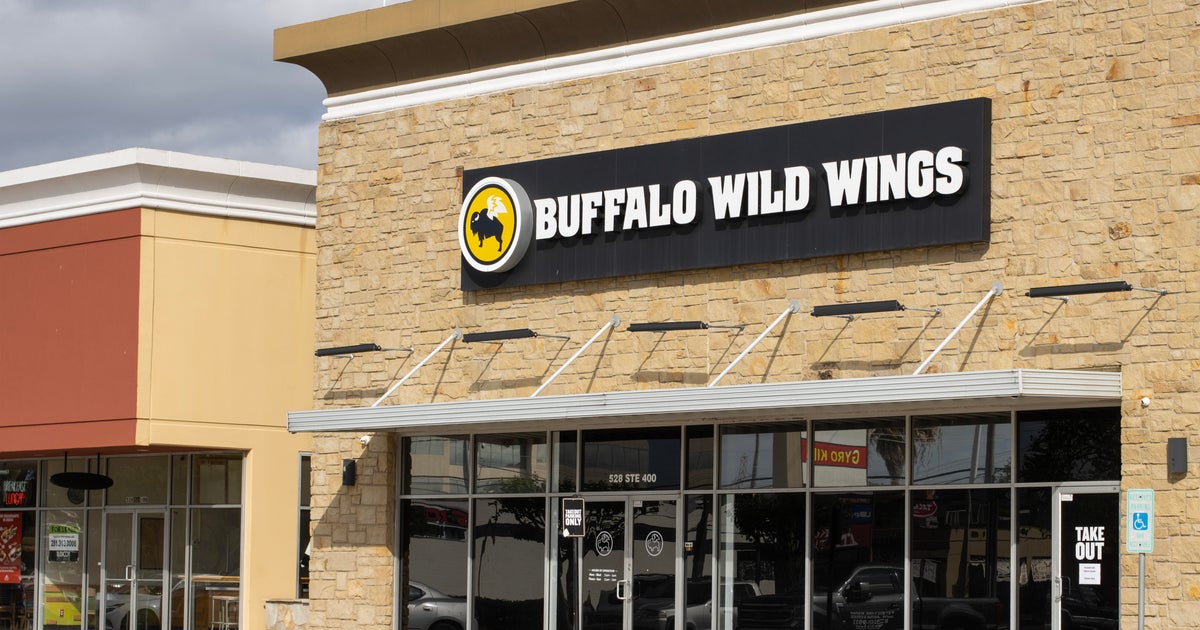

Buffalo Wild Wings Boneless Wings Lawsuit Dismissed: Judge Says Claim Has “No Meat on Its Bones”
The Lawsuit That Left Many Scratching Their Heads
In what might sound like the setup to a joke, a customer actually took Buffalo Wild Wings to court over their boneless chicken wings, arguing that the popular menu item was deceiving customers. Aimen Halim filed his lawsuit in 2023, claiming he felt misled when he discovered that the restaurant’s “boneless wings” weren’t actually wings at all, but rather pieces of chicken breast meat. According to Halim, when he ordered boneless wings at an Illinois Buffalo Wild Wings location in January 2023, he genuinely expected to receive actual chicken wings that had simply had their bones removed. His lawsuit argued that had he known he was purchasing chicken breast instead of deboned wings, he either wouldn’t have bought the product at all or would have expected to pay less for it. Halim sought monetary compensation for what he perceived as deceptive marketing practices. The case raised eyebrows across the country, with many people debating whether the term “boneless wings” could genuinely confuse reasonable consumers or whether everyone understood it was simply a catchy name for breaded chicken pieces.
A Judge Delivers a Decision Seasoned with Humor
This week, Judge John Tharp Jr. of the U.S. District Court for the Northern District of Illinois delivered his ruling on the case, and he didn’t hold back on the food-related puns. In dismissing Halim’s claims, Judge Tharp wrote that the plaintiff’s lawsuit had “no meat on its bones” and that he failed to “drum” up enough facts to support his allegations—a clever reference to chicken drumsticks. The judge’s decision wasn’t just witty; it was also firmly grounded in legal reasoning about how reasonable consumers interpret product names. Judge Tharp explained that “boneless wings” should be understood as what he called a “fanciful name” rather than a literal description of the product. This is an important legal distinction because fanciful names are generally understood to be creative marketing terms rather than precise descriptions of a product’s ingredients or composition. The judge’s reasoning reflected a common-sense approach to how language works in the food industry and in everyday life.
The “Reasonable Consumer” Standard Explained
At the heart of Judge Tharp’s decision was the legal concept of the “reasonable consumer”—essentially asking what an average person with common sense would think when they hear a particular product name. The judge firmly stated that “a reasonable consumer would not think that BWW’s boneless wings were truly deboned chicken wings, reconstituted into some sort of Franken-wing.” This colorful language illustrated the judge’s point that expecting restaurants to literally debone chicken wings and reshape them would be unrealistic and frankly bizarre. To further support his argument, Judge Tharp pointed out that words often have multiple meanings, particularly in the food industry. He used the example of “buffalo wings” themselves, noting that this term refers to the type of spicy sauce coating the chicken, not an indication that the meat comes from an actual buffalo. Similarly, he compared boneless wings to another Buffalo Wild Wings menu item: cauliflower wings. By this logic, no reasonable customer would believe that cauliflower wings contain actual wing meat—they’re simply cauliflower pieces prepared in a wing-style format with similar sauces and presentation.
Context Clues and Common Understanding
The judge’s opinion also emphasized that the term “boneless wings” has been part of American food culture for more than twenty years, making it a familiar and widely understood phrase among customers. This long-standing usage suggests that the term has taken on a specific meaning in the restaurant industry that most people recognize and accept. Buffalo Wild Wings echoed this sentiment in their defense, arguing that a reasonable consumer wouldn’t be misled by the term and that “context clues make it clear that the product cannot be made of wing meat.” These context clues include the significant price difference between traditional wings and boneless wings, the different texture and appearance of the products, and the general knowledge that chicken wings are relatively small pieces of meat that, if deboned, would yield very little actual meat. The restaurant chain’s argument suggested that anyone ordering boneless wings understands they’re getting a different product from traditional wings—one that’s easier to eat, typically less expensive, and appeals to customers who prefer white meat or want to avoid dealing with bones while eating.
The Broader Implications for Food Marketing
While this case might seem humorous on the surface, it actually touches on important questions about truth in advertising and how literally consumers should interpret menu descriptions. In recent years, there have been numerous lawsuits challenging food marketing claims, from the amount of fruit in breakfast cereals to whether “all natural” products truly contain only natural ingredients. The dismissal of Halim’s lawsuit suggests that courts are willing to give restaurants and food companies some creative license when naming their products, as long as the names aren’t truly deceptive in a way that would fool a reasonable person. This decision reinforces the idea that consumers are expected to bring some common sense to their purchasing decisions and that not every creative product name needs to be taken literally. However, this doesn’t mean companies have unlimited freedom to name products whatever they want—there are still truth-in-advertising laws that prohibit genuinely misleading claims. The key distinction appears to be whether a reasonable person would actually be confused or whether the marketing term is obviously fanciful or figurative.
What Happens Next and the Takeaway
Although Judge Tharp dismissed Halim’s current complaint, he did give the plaintiff until March 20 to file an amended version that might address the deficiencies in his original lawsuit. This means the legal saga isn’t necessarily over, though it seems unlikely that a revised complaint would succeed given the judge’s strong reasoning in his initial decision. Neither Buffalo Wild Wings nor Halim’s attorneys provided immediate comments following the ruling. The case has certainly sparked conversation online and in the media, with many people amused by the premise while others debated whether there might be some validity to the customer’s confusion. Ultimately, this case serves as a reminder that the food industry operates with a certain amount of creative language that most consumers understand and accept. Whether it’s boneless wings, buffalo wings, rocky mountain oysters, or countless other menu items with names that don’t literally describe their ingredients, restaurant-goers generally navigate these terms without genuine confusion. For now, Buffalo Wild Wings and other restaurants can continue calling their boneless chicken pieces “boneless wings” without fear that they’re engaging in deceptive practices—at least according to this Illinois court’s interpretation of consumer protection law.