
Kim Novak Speaks Out Against Upcoming Biographical Film “Scandalous”
Hollywood Icon Expresses Disapproval Over Casting Choice
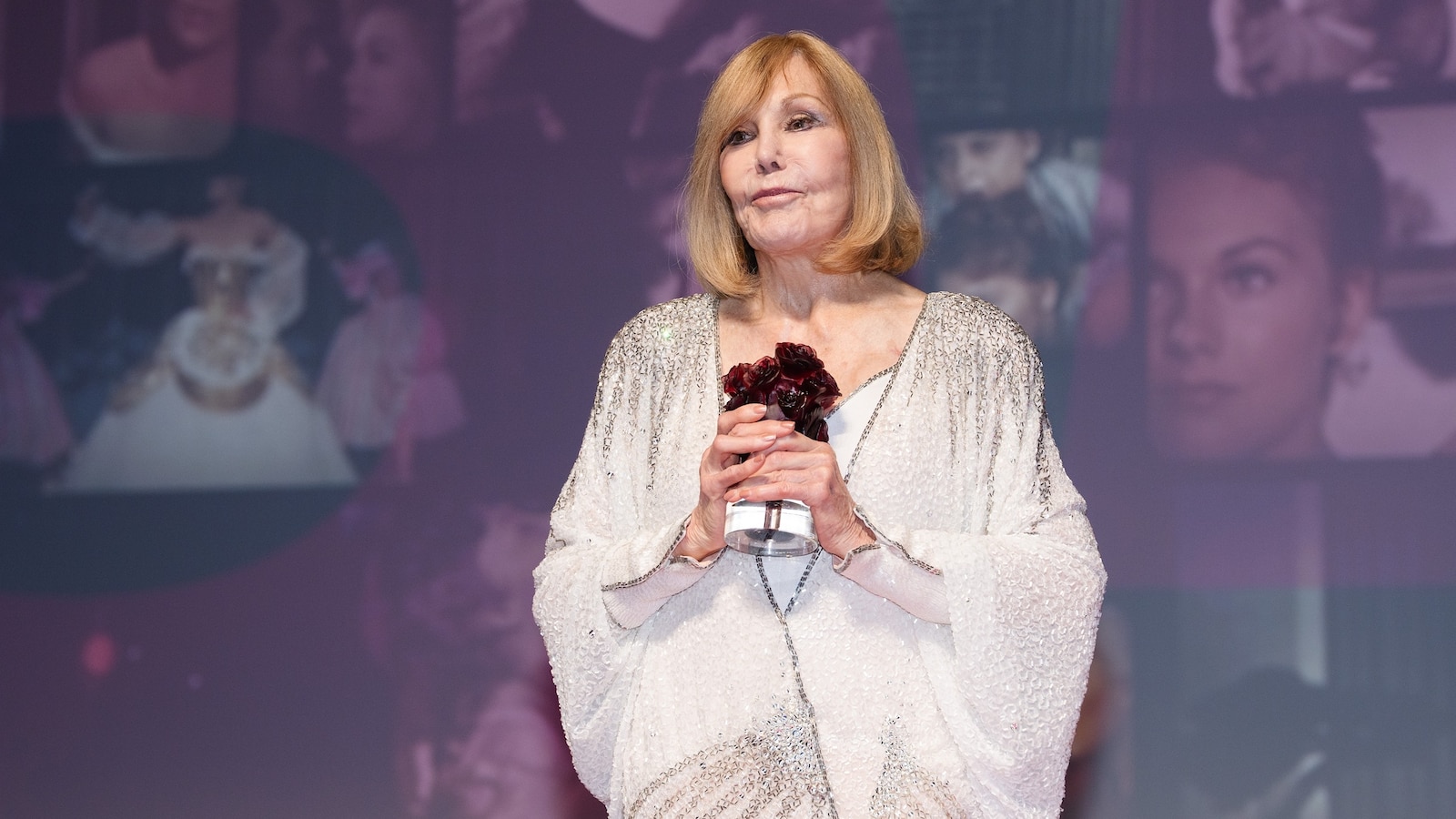
Hollywood legend Kim Novak has made her feelings crystal clear about the upcoming biographical drama “Scandalous,” which chronicles her relationship with entertainment icon Sammy Davis Jr. in the late 1950s. In a candid interview with The Times of London published recently, the 92-year-old actress didn’t mince words about her disapproval of the project, particularly the casting of Sydney Sweeney in the lead role. Novak stated unequivocally that she would have “never approved” the film if given the opportunity to weigh in on its production. This revelation has sparked considerable conversation in Hollywood circles about the rights of public figures to control their own narratives, especially when it comes to sensitive aspects of their personal lives being portrayed on the big screen decades after the events took place.
The project, first announced by Deadline in October 2024, has Miramax at the helm with acclaimed director Colman Domingo attached to direct. Sydney Sweeney, one of Hollywood’s most sought-after young actresses following her breakout roles in “Euphoria” and “The White Lotus,” is set to portray Novak, while David Jonsson will take on the role of Sammy Davis Jr. Despite the impressive pedigree of talent involved, Novak remains steadfast in her concerns about how the film will represent what was clearly a deeply personal and complicated period of her life. The actress’s objections highlight an ongoing tension in the entertainment industry between artistic freedom and the responsibility filmmakers have to accurately and respectfully portray real people’s lives, particularly when those individuals are still living and able to voice their perspectives.
Concerns About Physical Portrayal and Characterization
Novak’s criticisms weren’t limited to general disapproval of the project; she had specific concerns about Sweeney’s physical appearance and how it might shape the film’s narrative. In her interview, Novak made a pointed comment about Sweeney’s figure, noting that she “sticks out so much above the waist,” a reference to the younger actress’s notably different body type. While some might view these comments as unnecessarily harsh or focused on physical attributes, Novak’s concern seems rooted in something deeper—a fear that the casting choice signals the filmmakers’ intentions to emphasize sexuality over substance in telling her story. This apprehension appears well-founded given Hollywood’s historical tendency to sensationalize romantic relationships, particularly interracial ones that were considered scandalous during the era in which Novak and Davis’s relationship took place.
The veteran actress elaborated on these fears, expressing worry that the film would prioritize the sexual aspects of her relationship with Davis rather than exploring the genuine personal connection they shared. “There’s no way it wouldn’t be a sexual relationship because Sydney Sweeney looks sexy all the time,” Novak stated bluntly. “She was totally wrong to play me.” These comments suggest Novak is concerned that Sweeney’s modern sex-symbol status—cultivated through her recent roles and public persona—will overshadow the more nuanced and emotionally complex reality of the relationship she shared with Davis. For Novak, who came of age in an era when Hollywood studios tightly controlled actresses’ images and personal lives, the prospect of her story being reduced to its most titillating elements likely feels like yet another loss of agency over her own narrative, decades after she left the studio system behind.
Sydney Sweeney’s Perspective and Response to the Role
In stark contrast to Novak’s disapproval, Sydney Sweeney expressed nothing but enthusiasm and reverence when the project was first announced. Speaking to People magazine in October 2025, Sweeney shared that she felt “incredibly honored” to take on the challenging role of portraying the Hollywood icon. The young actress demonstrated a thoughtful understanding of why Novak’s story remains significant, explaining, “I think her story is still very relevant today in that she dealt with Hollywood and scrutiny with her relationships and her own private life and the control of her image. And I think that for me, I relate to it in a lot of different ways.” This statement reveals that Sweeney sees parallels between Novak’s experiences in the 1950s Hollywood studio system and her own contemporary struggles with media scrutiny and the constant public attention on her personal life and physical appearance.
Sweeney’s comments suggest she approaches the role with respect and a desire to explore the more substantive aspects of Novak’s experiences rather than simply capitalizing on the scandalous nature of the relationship. However, ABC News reached out to Sweeney’s representatives for comment following Novak’s critical statements but had not received a response at the time of reporting. This silence may be strategic, as responding directly to Novak’s pointed criticisms could create an uncomfortable public conflict between the two actresses. Sweeney likely finds herself in a difficult position—genuinely excited about a prestigious biographical role that could showcase her dramatic range, yet now facing public disapproval from the very person she’s meant to honor through her performance. This situation underscores the complex ethical territory that actors and filmmakers navigate when bringing real people’s stories to life without their explicit blessing or involvement in the creative process.
The Historical Context of Kim Novak and Sammy Davis Jr.’s Relationship
To understand why this film has generated such strong reactions, it’s essential to consider the historical context of Kim Novak and Sammy Davis Jr.’s relationship. The two entertainment icons first crossed paths in 1956 when they appeared together as guests on “The Steve Allen Show,” a popular variety program of the era. At the time, Novak was ascending to major stardom under the powerful control of Columbia Pictures studio head Harry Cohn, while Davis was establishing himself as a member of the legendary Rat Pack and a talented entertainer in his own right. Their relationship developed during an era when interracial romance was not only socially taboo but actually illegal in many states due to anti-miscegenation laws that wouldn’t be struck down by the Supreme Court until the landmark Loving v. Virginia decision in 1967.
Their romance became public knowledge in 1958 when a Chicago newspaper columnist reported on the relationship and even suggested that marriage might be in their future, according to “Hitchcock’s Blondes: The Unforgettable Women Behind the Legendary Director’s Dark Obsession” by Laurence Leamer. The revelation caused an immediate scandal that threatened both of their careers. Novak publicly denied the report, undoubtedly under pressure from studio executives who feared the controversy would damage her carefully cultivated image as a blonde bombshell and Hitchcock muse. Just days after the story broke, Davis hastily married singer Loray White in what many historians believe was a arranged union designed to deflect attention from his relationship with Novak and protect both of their careers. The marriage was short-lived, lasting approximately a year, suggesting it was indeed more of a publicity maneuver than a genuine romantic commitment. This painful episode demonstrates the tremendous personal sacrifices that Novak and Davis were forced to make due to the racism and restrictive social norms of 1950s America.
Kim Novak’s Life After the Scandal
Following the heartbreak and controversy surrounding her relationship with Sammy Davis Jr., Kim Novak continued her successful acting career throughout the 1960s, though she never quite recaptured the heights of her earlier stardom. In 1965, she married English actor Richard Johnson, seeking perhaps to settle into a more conventional and publicly acceptable relationship after the trauma of her experience with Davis. However, that marriage ultimately ended in divorce, a common enough outcome but one that may have carried additional disappointment for someone who had already sacrificed a relationship she cared deeply about for the sake of public acceptability and career preservation. It wasn’t until 1976 that Novak found lasting love when she married veterinarian Robert Malloy, a choice that suggested she had moved away from the Hollywood spotlight and toward a quieter, more private life away from the intense scrutiny that had defined her earlier years in the entertainment industry.
Novak and Malloy remained together for 45 years until his death in 2021, a testament to the stability and genuine connection she finally found outside the glare of Hollywood. This long and apparently happy marriage makes her current concerns about “Scandalous” even more understandable—she has spent the majority of her life building a world far removed from the tumultuous, controlled existence of her studio-system days, and now a major film threatens to drag that painful period back into public consciousness. At 92 years old, Novak likely has little interest in seeing one of the most difficult chapters of her life dramatized for entertainment, particularly if she fears it will be sensationalized rather than treated with the nuance and respect she believes it deserves. Her outspokenness about the project represents not just criticism of casting or creative choices, but a final assertion of agency over her own story—something she was denied during the height of her fame when studio executives controlled every aspect of her public and private life.