
King Charles III Addresses His Brother’s Arrest Amid Serious Allegations
A Royal Family in Crisis
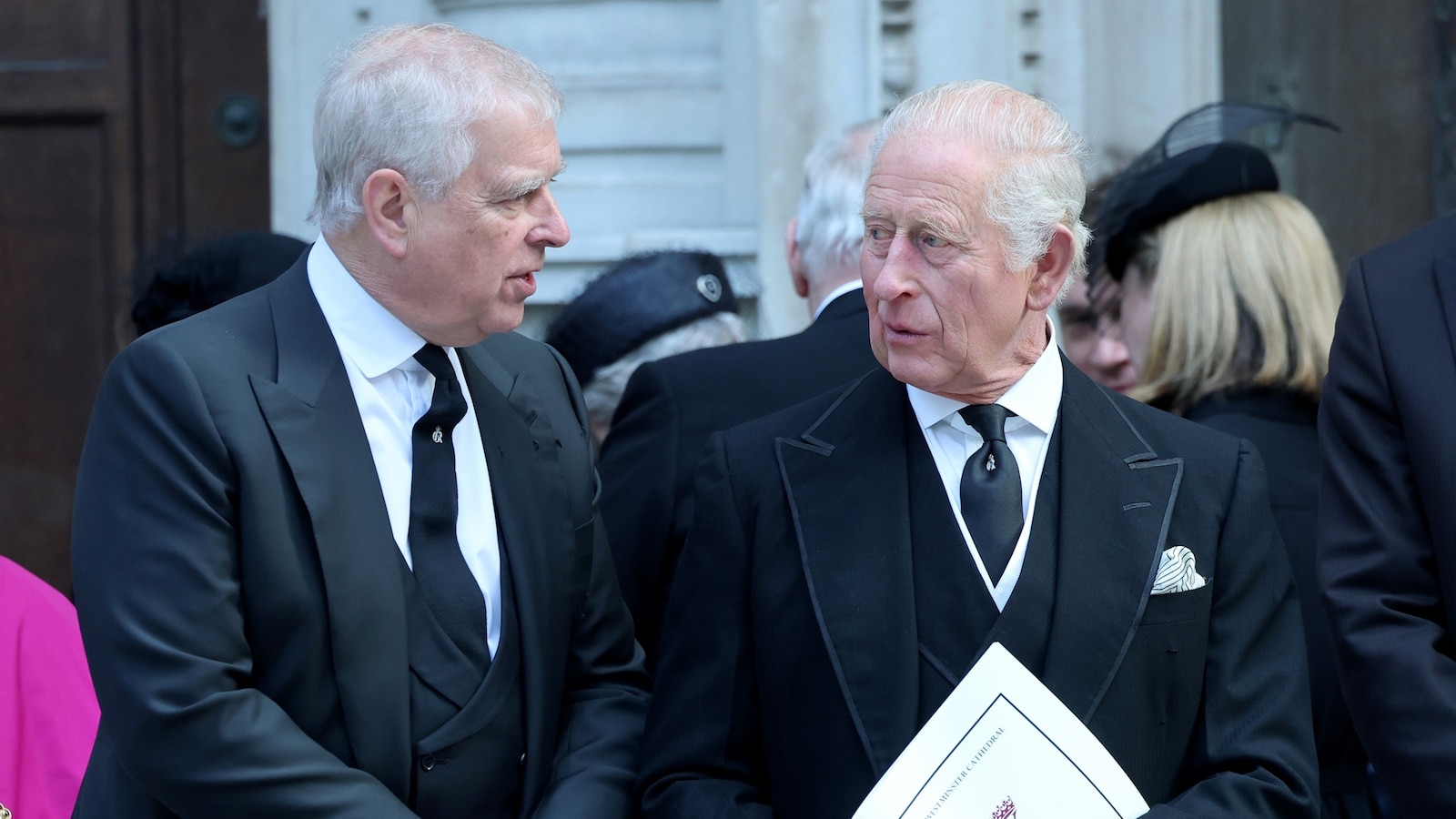
The British monarchy finds itself navigating turbulent waters once again as King Charles III has publicly responded to the arrest of his younger brother, Andrew Mountbatten-Windsor, formerly known as Prince Andrew. The arrest, which took place on Thursday by Thames Valley Police, has sent shockwaves through the royal establishment and reignited conversations about accountability, privilege, and the rule of law. Andrew, who was stripped of his “prince” title by his brother just last year, now faces serious allegations stemming from his previous role as a U.K. trade envoy. In this capacity, he was tasked with representing and promoting British business interests on the international stage. The charges against him center on suspicion of misconduct in public office, a serious accusation that suggests potential abuse of his position during his time in this official capacity. The timing of this arrest is particularly significant, coming on the heels of newly released U.S. Justice Department documents that have brought renewed attention to Andrew’s connections with the late Jeffrey Epstein, a convicted sex offender who died in a New York City jail cell in 2019. These documents have revealed both direct and indirect communications between Andrew and Epstein, facilitated through various aides, further complicating an already troubled public image for the disgraced royal.
The King’s Measured Response
King Charles III has found himself in an extraordinarily difficult position, balancing his duties as monarch with the personal pain of seeing his own brother face criminal investigation. In a carefully worded statement released on Thursday, Charles acknowledged that he had “learned with the deepest concern” about Andrew’s arrest, conveying both the gravity of the situation and his personal distress. The King’s statement emphasized his commitment to allowing the justice system to operate independently and without interference, stating clearly that “the law must take its course.” This declaration is particularly significant coming from the head of state, as it demonstrates a willingness to submit even members of the royal family to the same legal processes that govern all British citizens. Charles further pledged that the appropriate authorities would have the “full and wholehearted support and co-operation” of the monarchy in their investigation, a promise that represents an unprecedented level of cooperation from the royal household. The King was also careful to note that he would refrain from making further comments as the legal process unfolds, recognizing that any public statements could potentially interfere with or prejudice the ongoing investigation. Despite this personal crisis within his family, Charles emphasized that the royal family would continue to fulfill its duties and maintain its service to the British public, sending a message of stability and continuity during uncertain times.
Details of the Arrest and Investigation
Thames Valley Police provided limited but significant details about the arrest in their official statement on Thursday. According to police, they had “arrested a man in his sixties from Norfolk on suspicion of misconduct in public office” and were conducting searches at multiple addresses in both Berkshire and Norfolk. Following standard protocol, the police declined to officially name the arrested individual, though the royal connection was quickly confirmed through palace sources. The suspect remained in police custody at the time of the statement, suggesting the seriousness with which authorities are treating the allegations. Buckingham Palace confirmed to news outlets that they had not been given advance notice of the arrest, indicating that police treated this case with the same protocols they would apply to any other suspect, without special consideration for royal connections. This approach underscores the independence of the British justice system and its willingness to investigate serious allegations regardless of an individual’s social status or family connections. The searches of properties in two different counties suggest that investigators are seeking documentary evidence or other materials that might support their case, a standard procedure in investigations involving alleged misconduct in public office.
The Shadow of Jeffrey Epstein
The arrest comes at a particularly sensitive time, following the U.S. Justice Department’s release of a substantial collection of documents related to Jeffrey Epstein’s criminal activities and extensive network of powerful associates. These documents have shed new light on Andrew’s relationship with the disgraced financier, revealing communication patterns that have raised serious questions about the nature and extent of their association. Epstein, who died by suicide while awaiting trial on federal sex trafficking charges in 2019, cultivated relationships with numerous high-profile individuals across politics, business, and entertainment. Andrew’s connections to Epstein have long been a source of controversy and public concern, with previous allegations and civil cases bringing intense scrutiny to the royal’s judgment and conduct. Just last week, before the arrest, King Charles had already released a statement addressing Andrew’s alleged ties to Epstein as detailed in the newly released Justice Department documents. A Buckingham Palace spokesperson made clear that “the King has made clear, in words and through unprecedented actions, his profound concern at allegations which continue to come to light in respect of Mr Mountbatten-Windsor’s conduct.” Andrew has consistently denied any wrongdoing with respect to Epstein throughout the various controversies, though these denials have done little to quiet public concern or restore his reputation.
The Royal Family Carries On
In a display of the age-old royal principle that “the show must go on,” members of the royal family proceeded with their scheduled official engagements on Thursday despite the dramatic developments. Queen Camilla maintained her planned visit to Sinfonia Smith Square Hall in London, where she attended a lunchtime orchestral performance, presenting an image of calm and normalcy to the public. King Charles himself attended Tolu Coker’s show at London Fashion Week at 180 Strand, demonstrating his commitment to supporting British creativity and industry even during personal turmoil. These public appearances serve multiple purposes: they fulfill the royals’ constitutional and ceremonial obligations, they project stability and continuity during crisis, and they signal that the monarchy as an institution is larger than any individual member’s personal difficulties. Prince William, the heir to the British throne, and his wife Catherine, the Princess of Wales, are not expected to issue their own separate statement about Andrew’s arrest, though sources indicate they fully support King Charles’s position on the matter. This united front helps present a cohesive royal response to the crisis while maintaining appropriate boundaries given the ongoing legal proceedings.
A Family and Institution at a Crossroads
The current situation represents more than just another scandal for the British royal family; it marks a potential turning point in how the monarchy addresses serious allegations against its members. Earlier this month, Kensington Palace took the extraordinary step of releasing its first-ever statement about Andrew on behalf of Prince William and Princess Catherine. The statement, issued on February 9th, read: “I can confirm The Prince and Princess have been deeply concerned by the continuing revelations. Their thoughts remain focused on the victims.” This focus on victims rather than family loyalty signals a generational shift in royal priorities and a recognition that protecting the institution’s future may require difficult decisions about its present members. The removal of Andrew’s “prince” title last year already demonstrated Charles’s willingness to take decisive action, and the current investigation may necessitate even more significant steps. As the investigation proceeds, the royal family faces a delicate balancing act: supporting law enforcement and showing appropriate concern for any potential victims while navigating the complex emotions and family dynamics involved when a brother and son faces serious criminal allegations. The outcome of this case could have lasting implications not just for Andrew Mountbatten-Windsor as an individual, but for how the British monarchy adapts to modern expectations of accountability and justice in the 21st century. The eyes of the nation and the world remain fixed on how this royal drama unfolds, with profound questions about privilege, responsibility, and the rule of law hanging in the balance.