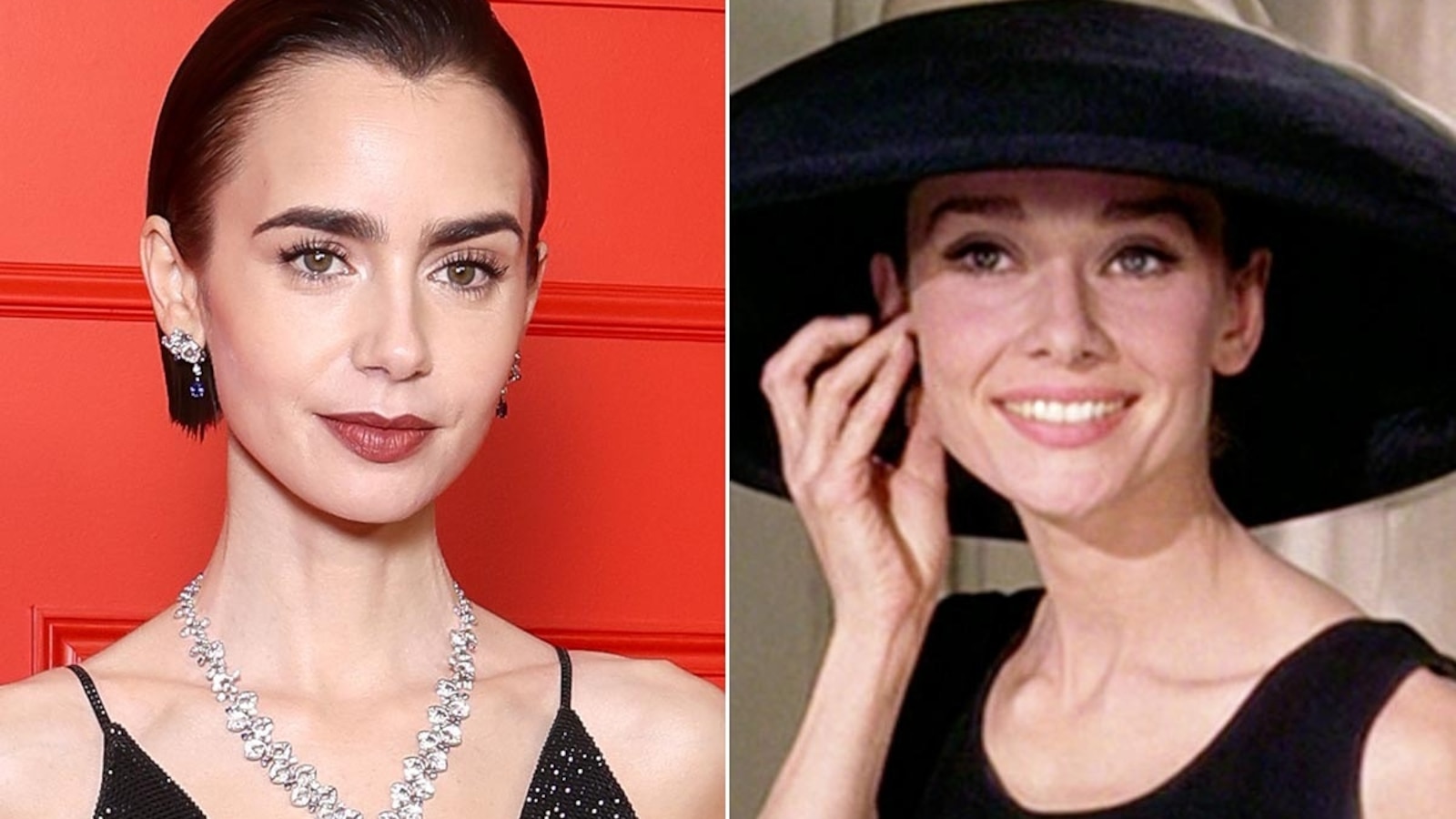

Lily Collins to Portray Audrey Hepburn in New Film About the Making of “Breakfast at Tiffany’s”
A Dream Role Nearly a Decade in the Making
Lily Collins, the beloved star of Netflix’s hit series “Emily in Paris,” has announced she will be taking on one of the most iconic roles of her career – portraying the legendary Audrey Hepburn in a new biographical film. The project will focus on the making of the 1961 cinema classic “Breakfast at Tiffany’s,” the film that cemented Hepburn’s status as a Hollywood icon and cultural phenomenon. Collins shared the exciting news with her fans through an emotional Instagram post on Monday, revealing that this passion project has been nearly ten years in development. Her heartfelt caption expressed the depth of her connection to this role, writing, “It’s with almost 10 years of development and a lifetime of admiration and adoration for Audrey that I’m finally able to share this. Honored and ecstatic don’t begin to express how I feel.” The announcement marks a significant milestone for Collins, who has long cited Hepburn as her muse and inspiration throughout her acting career. The film will be produced through Collins’ own production company, Case Study Films, which she founded in 2022 alongside her husband, filmmaker Charlie McDowell, and independent film producer Alex Orlovsky, demonstrating her growing influence as not just a performer but also a creative force behind the camera.
A Lifelong Connection to an Icon
For Lily Collins, this role represents far more than just another acting opportunity – it’s the culmination of a lifelong admiration for Audrey Hepburn. Over the years, Collins has repeatedly demonstrated her reverence for the Hollywood legend through various tributes and homages. In her Instagram story following the announcement, Collins shared several throwback posts showcasing moments when she channeled Hepburn’s timeless style and grace in different photo shoots throughout her career. Notably, in a 2021 post during Women’s History Month, Collins explicitly referred to Hepburn as her “muse,” a sentiment that now takes on even greater significance given this new project. The connection between Collins and Hepburn goes beyond mere aesthetic appreciation; both actresses share certain qualities including their elegant presence, expressive eyes, and ability to portray characters with both vulnerability and strength. Collins has also incorporated her admiration for Hepburn into her recent work on “Emily in Paris,” where she paid careful homage to some of the legendary actress’s most memorable film looks during seasons 4 and 5 of the popular Netflix series. These tributes included recreations inspired by Hepburn’s appearances in “Roman Holiday” and an aprés-ski-inspired ensemble that Hepburn wore in the 1963 thriller “Charade,” demonstrating Collins’ deep knowledge of and respect for Hepburn’s cinematic legacy.
The Creative Team Behind the Project
The upcoming film boasts an impressive creative team that promises to deliver a thoughtful and comprehensive look at the making of one of cinema’s most beloved films. The script will be penned by Alena Smith, best known as the creator of the critically acclaimed Apple TV+ series “Dickinson,” which reimagined the life of poet Emily Dickinson through a contemporary lens while maintaining historical authenticity. Smith’s ability to bring fresh perspectives to period pieces while honoring their subjects makes her an ideal choice for this project. She will be adapting her screenplay from Sam Wasson’s 2010 bestselling book, “Fifth Avenue, 5 A.M.: Audrey Hepburn, Breakfast at Tiffany’s and the Dawn of the Modern Woman,” which has been praised as the first complete account of the making of the classic film. According to the book’s synopsis, it reveals previously little-known facts about the cinema classic, promising that audiences will gain new insights into the production of the beloved movie. Case Study Films will be developing the project in partnership with Imagine Entertainment, the prestigious production company founded by Brian Grazer and Ron Howard, along with producer Scott LaStaiti, ensuring that the film has both the creative vision and industry backing needed to do justice to such an important story in Hollywood history.
The Legacy of “Breakfast at Tiffany’s”
To understand the significance of this new film project, it’s essential to appreciate the cultural impact of the original “Breakfast at Tiffany’s.” Released in 1961 and directed by Blake Edwards from a screenplay by George Axelrod, the film was based on Truman Capote’s bestselling novella of the same name. The story follows Holly Golightly, a young New York socialite brilliantly portrayed by Audrey Hepburn, who dreams of marrying into wealth while maintaining her carefully constructed façade of glamorous independence. When Holly forms an unexpected and deepening bond with her neighbor Paul Varjak, an aspiring novelist played by George Peppard, she is forced to confront the vulnerability and authentic emotions she has long worked to avoid. The film became an instant classic, with Hepburn’s portrayal of Holly Golightly becoming one of the most iconic performances in cinema history. Her elegant black dress, oversized sunglasses, and long cigarette holder became instantly recognizable symbols of sophisticated style that continue to influence fashion and popular culture more than six decades later. The film’s success was recognized by the Academy Awards in 1962, when it won two Oscars – one for best score and another for best original song for the unforgettable “Moon River,” composed by Henry Mancini with lyrics by Johnny Mercer. The song became inseparable from Hepburn’s image and remains one of the most beloved movie themes of all time.
Why This Story Matters Now
The decision to create a film about the making of “Breakfast at Tiffany’s” comes at a particularly interesting time in our cultural conversation about classic Hollywood, gender roles, and the evolution of women’s representation in film. Audrey Hepburn herself was more than just a beautiful actress; she was a humanitarian who used her fame to advocate for children’s rights through her work with UNICEF, and she represented a different kind of feminine ideal – one that combined elegance with substance, glamour with compassion. The character of Holly Golightly, while controversial in some respects by contemporary standards, also represented a new kind of female character for her time – independent, complex, flawed, and ultimately unwilling to be defined solely by her relationships with men. The story of how this film came to be made, the creative decisions behind it, and Hepburn’s approach to bringing Holly to life will likely offer fascinating insights into both the filmmaking process and the social context of early 1960s America. Furthermore, having Lily Collins both star in and produce the film through her own company represents a continuation of the legacy of women taking creative control of their own narratives in Hollywood, something that Hepburn herself navigated during her career. This meta-narrative of a contemporary actress and producer examining the work of a legendary predecessor creates layers of meaning that should resonate with modern audiences.
Looking Forward to Production
While specific details about the production timeline, additional casting, and release date have not yet been announced, the enthusiasm surrounding this project is already palpable. Lily Collins’ obvious passion for the subject matter, combined with the strong creative team and source material, suggests that this film has the potential to be both a loving tribute to Audrey Hepburn and an insightful exploration of a pivotal moment in cinema history. For Collins, who has successfully balanced commercial success with “Emily in Paris” and critical respect for her dramatic work in films like “To the Bone” and the limited series “Maid,” this role represents an opportunity to showcase her range while honoring someone who has clearly influenced her career and artistic sensibilities. The challenge of portraying someone as beloved and iconic as Audrey Hepburn is considerable – audiences have very specific images and expectations of the legendary actress, and any portrayal will inevitably invite comparison. However, Collins’ decade-long commitment to the project and her demonstrated respect for Hepburn’s legacy suggest she understands the responsibility she’s undertaken. As the project moves forward into development and eventually production, film enthusiasts and Hepburn admirers alike will be watching with great interest to see how this new generation of filmmakers approaches the story of one of cinema’s most enduring classics and the unforgettable woman who brought Holly Golightly to life. This film promises to be not just a behind-the-scenes look at a beloved movie, but also a meditation on art, legacy, and the timeless appeal of true Hollywood elegance.