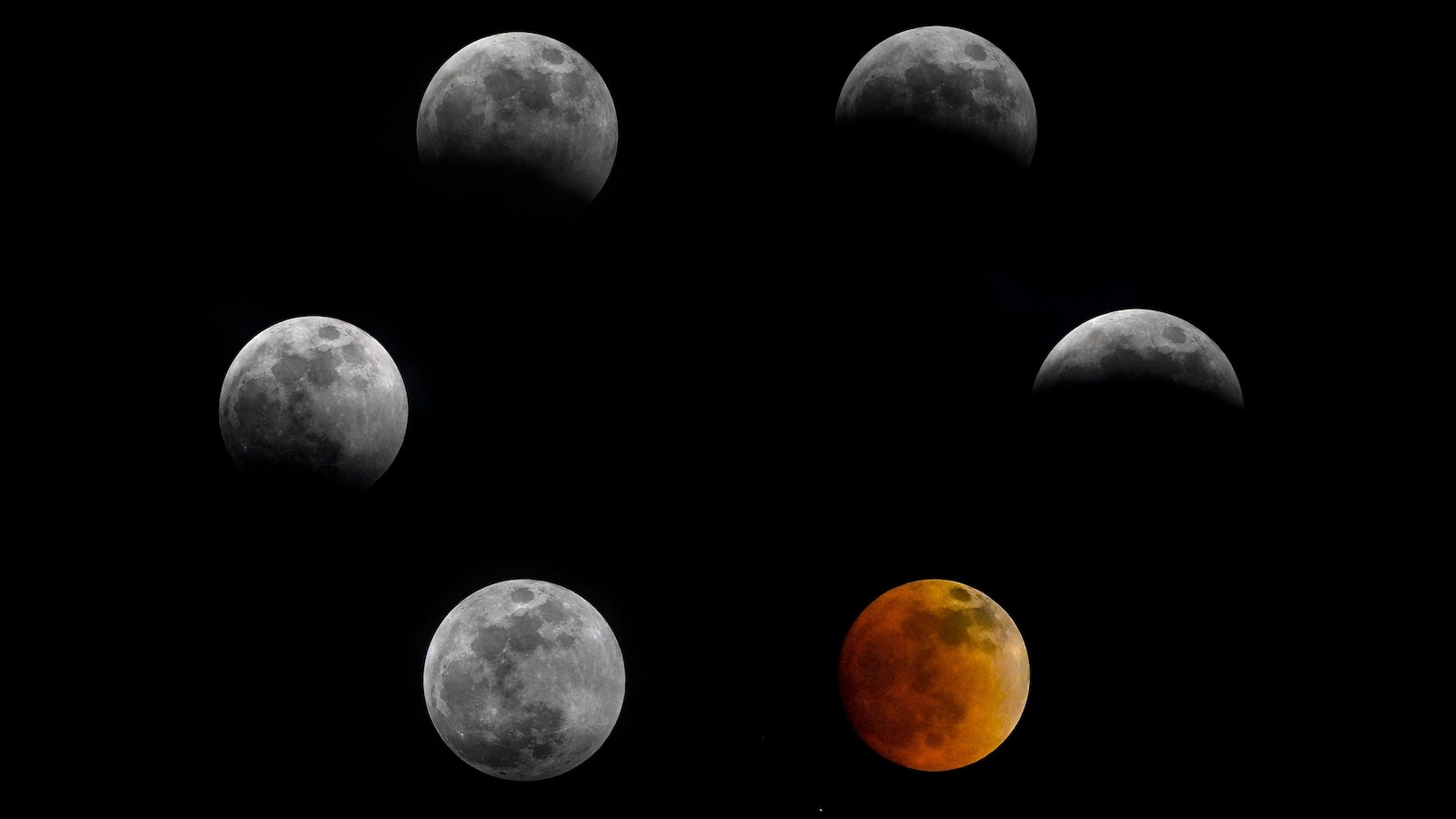

Everything You Need to Know About March 2026’s Blood Moon and Worm Moon Eclipse
A Rare Celestial Convergence Signals the End of Winter
As we approach the end of winter and welcome the fresh promise of spring, the skies are preparing to deliver a spectacular show. March 2026 will bring us a full moon that’s far from ordinary – it’s the worm moon, a traditional name that marks the seasonal transition when the earth begins to thaw and earthworms start reappearing in the warming soil. But what makes this particular lunar event truly extraordinary is that it will coincide with a total lunar eclipse, transforming our celestial companion into what’s commonly known as a blood moon. This rare combination creates a visual phenomenon that has captivated humanity for millennia, as the moon takes on a dramatic reddish-orange hue that seems almost otherworldly against the night sky.
The timing couldn’t be more perfect for skywatchers across much of North America and beyond. According to NASA, this total lunar eclipse will be visible from large swaths of the United States, as well as parts of Asia, Australia, and Central and South America. The event will unfold in the early morning hours of March 3, 2026, beginning at 12:44 a.m. Pacific Standard Time (3:44 a.m. Eastern Standard Time). The most spectacular viewing will occur during the peak of the eclipse, when the moon displays its deepest, most striking red coloration. The beauty of this celestial event is that unlike solar eclipses, you won’t need any special protective equipment to safely observe it – just a clear view of the moon and ideally, a location away from bright city lights for the best experience.
Understanding the Science Behind the Blood Moon
The mechanics behind a total lunar eclipse are as fascinating as the visual spectacle itself. This astronomical event occurs when Earth positions itself directly between the Sun and the Moon, casting its shadow across the lunar surface. This precise alignment can only happen during a full moon, when the three celestial bodies form a nearly straight line in space. During a total lunar eclipse, the Moon moves completely into Earth’s shadow, but rather than disappearing entirely from view, it undergoes a remarkable transformation.
The reason the Moon turns red or orange during a total lunar eclipse has everything to do with how light interacts with Earth’s atmosphere. When Earth blocks most of the Sun’s direct light from reaching the Moon, some sunlight still manages to reach the lunar surface by bending around Earth’s edges and filtering through our planet’s atmosphere. As this light passes through the atmospheric layers, shorter wavelengths of light (like blues and greens) get scattered away, while longer wavelengths (reds and oranges) pass through more easily. NASA describes this effect beautifully: it’s as if all of Earth’s sunrises and sunsets are being projected onto the Moon simultaneously, creating that distinctive “blood moon” appearance that has inspired awe and sometimes fear throughout human history. For anyone watching, it’s a powerful reminder of our planet’s presence in space and the delicate dance of celestial mechanics that governs our solar system.
The Traditional Meaning of the Worm Moon
The name “worm moon” might sound unusual, but it carries deep cultural and agricultural significance that stretches back generations. According to the Old Farmer’s Almanac, which has been documenting traditional full moon names since the 1930s, March’s full moon earned this distinctive moniker because it marks the time when earthworms begin to reappear as the winter frost releases its grip on the soil. This seemingly simple natural event was actually an important seasonal marker for agricultural communities, signaling that the ground was softening and the growing season would soon be underway.
NASA notes that various Native American tribes used this name to describe the worm casts – those small piles of soil that earthworms leave on the surface as they tunnel through the newly thawed earth. These tiny mounds of dirt were visible evidence that winter’s hold was breaking and that spring’s renewal was beginning in earnest. Beyond just the practical agricultural implications, the worm moon represented hope, renewal, and the cyclical nature of life returning to the land after the dormant winter months. It’s one of many traditional moon names that connected our ancestors to the natural rhythms of the seasons, a connection that modern life sometimes causes us to overlook but which this celestial event invites us to remember and honor.
Astrological Significance and Energy of This Eclipse
For those who follow astrology, this worm moon lunar eclipse carries particular significance as it occurs in Virgo, an Earth sign associated with productivity, organization, health, and practical matters. Celebrity astrologer Kyle Thomas, speaking with Good Morning America, explained that the Virgo energy will influence how we experience and work with this lunar event. Virgo’s grounded, efficient nature suggests this is an ideal time to streamline our daily routines, organize our schedules, and create systems that help us function more effectively in our daily lives.
Thomas emphasizes that this eclipse offers a powerful opportunity to evaluate and improve our relationship with health, fitness, and overall well-being. The practical Virgo energy supports making concrete, tangible changes to diet, exercise routines, and self-care practices. However, because this full moon coincides with a lunar eclipse, Thomas advises against traditional manifestation rituals that are commonly practiced during full moons. The eclipse energy brings so much change on a collective level that it’s better to take a more receptive approach – lying low, reflecting deeply, and paying attention to the messages and insights that emerge during this potent time. Rather than trying to force outcomes or set rigid intentions, this eclipse period calls for rest, meditation, and self-care as we may experience a complex mix of heightened emotions, surges of adrenaline, and deep fatigue as the eclipse energy moves through us.
How to Make the Most of Viewing This Rare Event
The wonderful thing about lunar eclipses is their accessibility – no special equipment or safety precautions are required, making this celestial show available to everyone with a clear view of the sky. Unlike solar eclipses, which require protective eyewear and carry risks if viewed improperly, you can safely watch a lunar eclipse with your naked eyes throughout its entire duration. That said, there are ways to enhance your viewing experience and make the most of this rare astronomical event.
NASA experts recommend finding a dark location away from bright city lights for optimal viewing. While urban and suburban dwellers can certainly see the eclipse from their backyards or balconies, heading to a park, rural area, or any location with less light pollution will reveal more detail and deeper colors in the moon’s transformation. If you have binoculars or a telescope, they’re not necessary but can certainly enhance the experience, allowing you to see finer details on the lunar surface and appreciate the gradual progression of Earth’s shadow across the moon. Consider making an event of it – invite friends or family, bring warm blankets and hot beverages (early March mornings can still be quite chilly), and give yourself plenty of time to watch the entire eclipse unfold rather than just catching a quick glimpse. The total eclipse doesn’t happen instantly; it’s a gradual process that rewards patient observers with an ever-changing display as the moon moves through different phases of Earth’s shadow.
Personal Reflections and Rituals for Each Zodiac Sign
Astrologer Kyle Thomas offers specific guidance for how each zodiac sign might experience and work with this worm moon eclipse energy. For Aries, major changes in career and work life are on the horizon, with increased responsibilities potentially leading to important project completions or even job transitions that open doors to better opportunities. Taurus can expect their hearts to take center stage, with enhanced focus on fun, hobbies, and especially romance – making this an ideal time for singles to actively date and coupled Taureans to rekindle passion. Gemini will find emotions running deeper than usual, with focus turning toward family matters, home situations, or real estate decisions that require attention and resolution.
Cancer is encouraged to find and use their voice, whether through writing, speaking, social media projects, or finalizing important contracts that broadcast their vision to the world. Leo should prepare for financial shifts, potentially seeing increases through raises, new job offers, or successful side hustles, while also taking time to reassess budgets and financial strategies. Virgo, with the eclipse happening in their sign, stands in the spotlight and should embrace personal power, celebrating culminations of significant projects and demanding their worth in all life areas. Libra is called to rest and recharge, using solitude for deep reflection about life direction while paying attention to intensified dreams that carry important messages. Scorpio can look forward to an energized social life filled with exciting events, friend gatherings, and opportunities to meet new people. Sagittarius will see career and legacy matters front and center, with potential reviews, promotions, or new job offers creating opportunities to reflect on past achievements and future scaling. Capricorn should embrace curiosity about new life possibilities, whether through education, scholarly projects, or deeper involvement in spirituality or religion. Aquarius will experience spotlighted partnerships in business or love, determining whether to grow closer or acknowledge when paths have diverged. Finally, Pisces faces a pivotal relationship moment, with possibilities ranging from exciting declarations of love and commitment to necessary separations, while singles should seek connections with genuine long-term potential.