


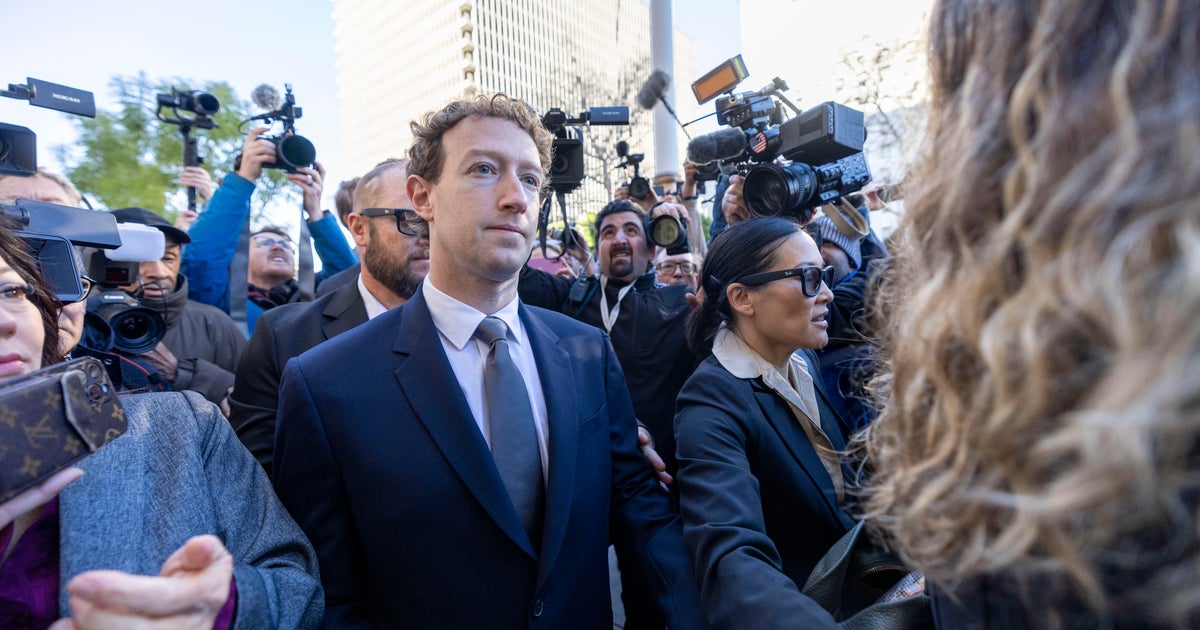

Mark Zuckerberg Takes the Stand: Inside the Landmark Social Media Addiction Trial
Tech Giant Faces Historic Legal Challenge Over Youth Safety
On a Wednesday morning in Los Angeles, Mark Zuckerberg walked into a courtroom for what may prove to be one of the most consequential legal battles of the digital age. The Meta CEO wasn’t there for a routine business matter or a regulatory hearing—he was there to defend his company against serious allegations that Facebook and Instagram were deliberately designed to hook young users, knowing full well the potential harm to their mental health. This wasn’t another congressional hearing where softball questions and five-minute time limits would allow him to carefully navigate around difficult topics. This was a jury trial, where attorneys could press him with follow-up questions and hold his feet to the fire in ways politicians rarely do. The courtroom appearance marks a significant moment not just for Meta, but potentially for the entire social media industry, as thousands of families watching from the sidelines wait to see if one of the world’s most powerful tech executives can be held accountable for the impact his platforms have had on an entire generation of young people.
The Case That Could Change Everything
At the heart of this landmark trial is a young woman identified in court documents as “KGM,” who is now 20 years old but whose relationship with social media began when she was just a child. Her lawsuit tells a story that will sound painfully familiar to countless parents across the country: a young person who began using Facebook, Instagram, and YouTube at an early age and gradually found herself unable to stop, even as she recognized the toll it was taking on her mental well-being. KGM’s legal team argues that this wasn’t an accident or simply a case of poor self-control. Instead, they claim these platforms were deliberately engineered to be addictive, using sophisticated recommendation algorithms that learn what keeps users scrolling and infinite feeds designed to eliminate natural stopping points. The lawsuit alleges that Meta and YouTube knew their products were harmful to young users but prioritized growth and engagement over safety. What makes this case particularly significant is that it’s the first of potentially thousands of similar lawsuits to actually go to trial, meaning its outcome could set important precedents for how courts handle allegations against social media companies going forward. Two other platforms originally named in the lawsuit—TikTok and Snapchat—apparently saw enough risk in going to trial that they chose to settle before the proceedings began, though the terms of those settlements haven’t been made public.
The Companies Push Back Against Addiction Claims
Meta has vigorously denied the allegations, telling reporters that the company strongly disagrees with the characterization of its platforms as deliberately addictive or harmful. The company’s defense strategy appears to include an attempt to shift some of the responsibility away from social media by claiming that KGM was already experiencing mental health difficulties before she started using their platforms. The implication seems to be that social media use was a symptom of her struggles rather than a cause, or at least that any connection between the two can’t be definitively proven. Google, which owns YouTube, has also pushed back hard against the lawsuit, with a spokesperson flatly stating that the allegations are “simply not true.” However, these blanket denials may ring hollow to a jury that will likely hear internal company documents and communications as evidence—the kind of behind-the-scenes material that often tells a very different story than public relations statements. Instagram CEO Adam Mosseri, who testified last week, provided a glimpse into how company executives are framing these issues. Rather than acknowledging that people can become addicted to social media in a clinical sense, Mosseri used the more carefully chosen term “problematic use” to describe situations where people spend more time on Instagram than they feel comfortable with. It’s the kind of linguistic gymnastics that might work in a press release but could come across as evasive or insincere to ordinary people sitting on a jury.
Echoes of Big Tobacco
Legal experts and observers have begun drawing parallels between this trial and the massive tobacco litigation of the 1990s, when internal industry documents revealed that cigarette companies had known for decades that their products were addictive and deadly, even as they publicly denied it. Those cases fundamentally changed how we think about corporate responsibility and ultimately led to historic settlements, sweeping restrictions on tobacco advertising, and a permanent shift in public perception of the industry. Could social media be heading for a similar reckoning? Melodi Dinçer, a UCLA law professor who specializes in tech justice issues, told reporters that trials like this one serve a crucial purpose by potentially exposing the gap between what companies say in their glossy marketing materials and congressional testimony versus what they actually know and do behind closed doors. The discovery process in lawsuits forces companies to turn over internal emails, strategy documents, and research that they would never voluntarily make public. If those documents show that Meta or YouTube executives knew their platforms were harming kids but made deliberate decisions to prioritize engagement and profit anyway, it could be devastating—both in terms of this particular case and the court of public opinion.
What’s at Stake for Zuckerberg and Meta
This trial represents uncharted territory for Zuckerberg personally. While he’s certainly no stranger to testifying—he’s appeared before Congress multiple times to answer questions about privacy, misinformation, and youth safety—this is his first time defending his company in front of a jury in a civil trial. The difference is significant. Congressional hearings, for all their public spectacle, tend to be relatively gentle affairs where members of Congress get to make speeches disguised as questions, and witnesses can often run out the clock with long-winded non-answers. A trial is different. Skilled attorneys can ask follow-up questions, challenge inconsistencies, and use a witness’s previous statements against them. There’s nowhere to hide, and a jury of ordinary citizens will be watching and evaluating not just what Zuckerberg says, but how he says it—whether he comes across as genuine and concerned about young users, or dismissive and more worried about protecting his company’s bottom line. The financial implications are enormous, of course. If KGM prevails, it could open the floodgates for thousands of similar claims, potentially costing Meta billions in settlements and verdicts. But beyond the money, there’s the question of whether this trial could lead to fundamental changes in how social media platforms operate, particularly when it comes to young users.
The Broader Implications for Social Media and Society
Regardless of how this particular case turns out, it’s part of a much larger conversation we’re having as a society about the role of social media in our lives and especially in the lives of our children. Study after study has shown concerning correlations between heavy social media use and increased rates of anxiety, depression, and other mental health issues among teenagers. Parents have watched their kids become seemingly unable to put down their phones, even when they express unhappiness with how much time they’re spending on apps. Schools have seen dramatic increases in attention problems and social difficulties that many educators attribute at least in part to constant digital distraction. Yet for all these concerns, social media companies have largely escaped serious accountability, hiding behind Section 230 protections that shield them from liability for user-generated content and arguing that they’re simply providing tools that people choose to use. This trial represents a different approach—one that focuses not on the content that appears on these platforms, but on the fundamental design choices that make them so hard to put down. If a jury finds that these design features were deliberately engineered to be addictive, particularly to young people whose brains are still developing and who are especially vulnerable to these techniques, it could mark a turning point. It might lead to new regulations, design changes to make platforms less addictive, better parental controls, or age restrictions on certain features. At a minimum, it’s forcing a public conversation about whether we’ve allowed a handful of tech companies to conduct what amounts to a massive, uncontrolled experiment on an entire generation of young people—and whether it’s time to demand that they be held responsible for the results.