
Smart Shopping: How Americans Are Cutting Meat Costs by Becoming Home Butchers
The Rising Cost of Meat is Changing How We Shop
As American families continue to grapple with the financial squeeze of increasing grocery bills, many are discovering that creativity and a willingness to learn new skills can translate into significant savings. One of the most notable trends emerging from this economic pressure involves taking matters—and knives—into our own hands when it comes to purchasing meat. According to the latest USDA Food Price Outlook, beef prices have jumped by a substantial 15% compared to last year, and experts predict this category will continue growing at a rate that outpaces its 20-year historical average. With no clear timeline for when these prices might stabilize or decrease, shoppers across the country are refusing to simply accept higher costs at the checkout counter. Instead, they’re turning to wholesale retailers like Costco and embracing an old-fashioned approach with a modern twist: buying large, unprocessed cuts of meat and butchering them at home. This grassroots movement represents more than just a money-saving hack—it’s a return to kitchen skills that previous generations took for granted, now being rediscovered and shared widely across social media platforms by everyone from casual home cooks to professional recipe developers.
The Costco Meat Counter Revolution
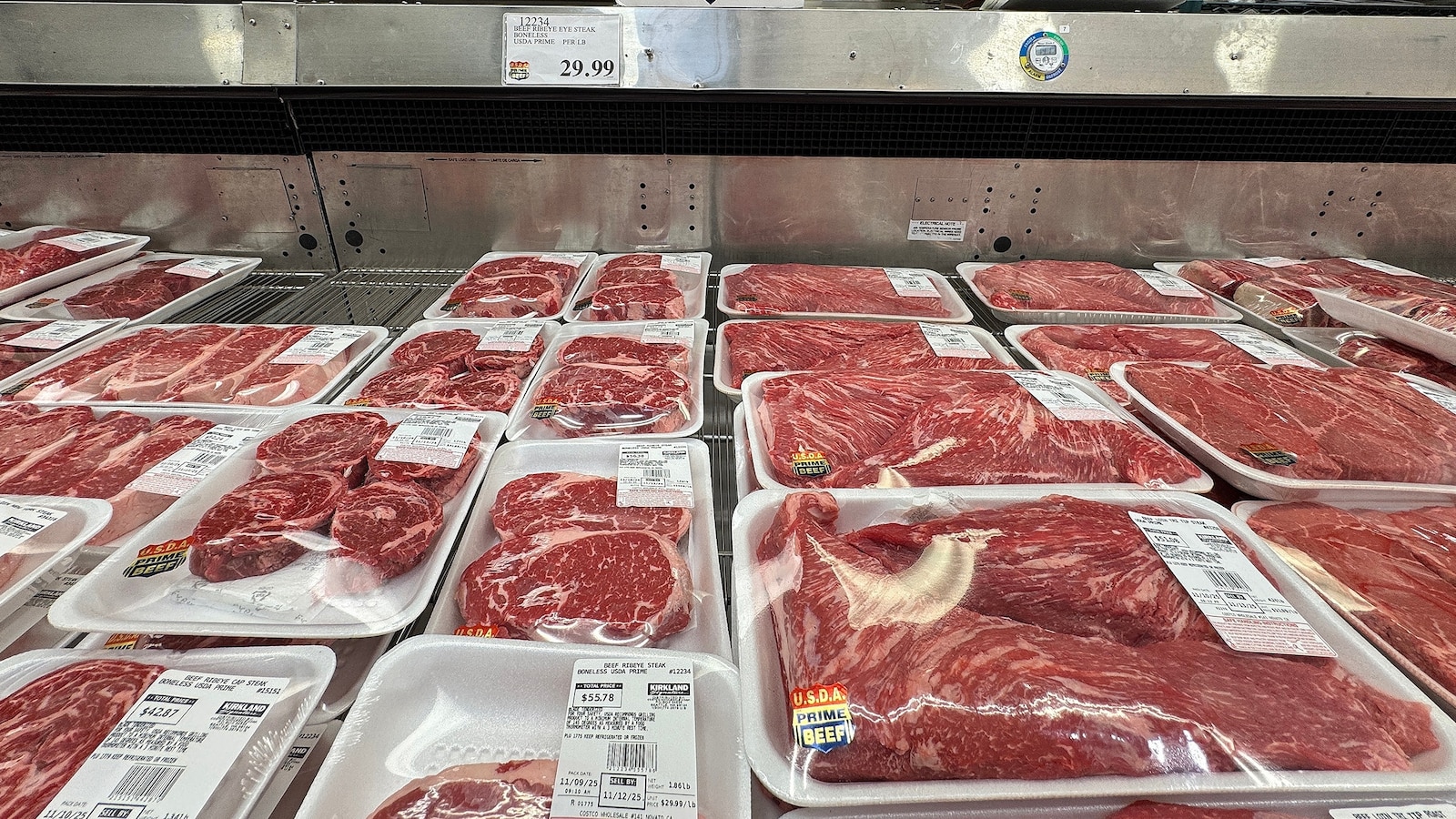
Social media feeds have become virtual butcher shops over recent months, filled with videos and posts of people proudly displaying their wholesale meat purchases and demonstrating their newly acquired cutting skills. The stars of these posts aren’t your typical grocery store packages of pre-cut steaks—instead, people are wheeling out impressive slabs of beef tenderloin, entire New York strip loins, and massive ribeye roasts that would look at home in a professional kitchen. The Costco meat department has become ground zero for this trend, with shoppers discovering that purchasing these larger, unprocessed cuts offers dramatic cost savings compared to buying individually packaged steaks. Beyond simply buying in bulk, savvy shoppers have added another layer to their money-saving strategy: many are opting for USDA Choice grade beef over the more expensive USDA Prime designation. To compensate for the difference in tenderness that typically distinguishes Prime from Choice, home cooks have embraced the sous vide cooking method—a technique that involves vacuum-sealing meat and cooking it in precisely temperature-controlled water. This approach allows them to achieve restaurant-quality tenderness from the less expensive Choice grade beef, effectively getting Prime-level results without the Prime-level price tag. The combination of buying larger cuts, choosing a lower grade, and applying smart cooking techniques represents a multi-pronged approach to fighting inflation at the dinner table.
Real Numbers: The Savings Add Up Quickly
To determine whether this trend delivers genuine savings or just creates more work for minimal reward, ABC News correspondent Becky Worley put the method to a practical test. Her findings revealed cost differences that would make any budget-conscious shopper take notice. In Worley’s local supermarkets, USDA Choice ribeye steaks carried a hefty price tag of over $27 per pound—a number that can make even a modest dinner party feel like an extravagance. At Costco, individually packaged ribeye steaks offered some relief at $17.99 per pound, but the real game-changer proved to be the whole ribeye subprimal cut, priced at just $12.99 per pound. Armed with a sharp knife and some basic butchering knowledge, Worley tackled a 21-pound ribeye subprimal and successfully carved it into 15 generous individual steaks. The math tells an impressive story: this single butchering session resulted in nearly $300 in savings compared to purchasing pre-cut steaks from traditional grocery stores. For families already feeling the pinch of inflation across all categories of spending, that kind of savings on a single shopping trip represents real money that can be redirected toward other household needs, saved for emergencies, or simply provide breathing room in a tight budget.
Beyond Beef: Expanding the Home Butchery Concept
While ribeye and other beef cuts may grab the spotlight in viral social media posts, Worley emphasizes that this cost-saving strategy extends far beyond a single type of meat. The principle of buying larger, less-processed cuts and preparing them yourself at home works effectively across a wide range of proteins. Pork loins, whole salmon sides, bulk ground beef, and stew meat all offer similar opportunities for savings when purchased in larger quantities from warehouse stores. Turkey provides a particularly striking example of the potential savings. While local grocery stores in Worley’s area charged more than $21 per pound for pre-sliced deli turkey—the convenient grab-and-go option that many busy families rely on for quick lunches and sandwiches—Costco offered whole turkey breasts for just $4.79 per pound. By investing a little time in slicing the turkey breast thinly at home, Worley created her own deli-style turkey at a fraction of the retail price, then froze portions for future use. This approach requires some initial time investment and planning, but the financial return makes it worthwhile for many families. Worley also points out that savvy shoppers can amplify their savings by paying attention to sale cycles at warehouse stores, where already-discounted bulk meats occasionally receive additional markdowns, creating opportunities for even more impressive deals.
Practical Considerations and Creative Solutions
Of course, buying meat in bulk comes with its own set of challenges that not every household can easily accommodate. The most obvious obstacle is freezer space—purchasing a 21-pound slab of beef or multiple whole turkey breasts requires somewhere to store all that meat until it’s consumed. Not everyone has the luxury of a large chest freezer or even adequate freezer space in their standard refrigerator. For those facing this limitation, Worley suggests a collaborative approach that turns a potential obstacle into an opportunity for community building. By partnering with a friend, family member, or neighbor, shoppers can purchase these large cuts together, divide them, and split both the cost and the storage requirements. This approach not only solves the practical problem of storage but can also make the butchering process more enjoyable and less intimidating, especially for those new to working with large cuts of meat. Additionally, the initial investment in a good sharp knife (if you don’t already own one) and perhaps some basic butchering knowledge—readily available through free online videos and tutorials—pays dividends quickly through the savings achieved. Some enthusiasts have even turned the process into a monthly ritual, gathering with friends or family to break down bulk purchases together, sharing techniques and tips while building valuable skills.
A Shift in How We Think About Food
This trend toward home butchery represents something more significant than a simple response to economic pressure—it reflects a broader shift in how many Americans are choosing to engage with their food. In an era when convenience has long been king, with pre-cut, pre-marinated, and ready-to-cook options dominating grocery store meat cases, the decision to purchase whole cuts and process them yourself runs counter to decades of food industry trends. Yet for a growing number of people, the combination of substantial cost savings, greater control over portion sizes, and the satisfaction of learning a practical skill makes the extra effort worthwhile. There’s also an element of food appreciation that comes with this hands-on approach—when you’ve personally transformed a large, intimidating slab of beef into beautiful individual steaks, you develop a different relationship with that food and often a greater appreciation for what goes into bringing it to your table. While not everyone will embrace this trend, and it certainly isn’t necessary or practical for all households, it offers a viable option for those willing to invest a bit of time and effort in exchange for meaningful savings. As grocery prices continue to climb across categories, expect to see more Americans reviving old-fashioned kitchen skills and finding that what once seemed daunting—like butchering your own meat—becomes just another part of the weekly routine, one that keeps more money in their pockets and perhaps even brings a sense of accomplishment to the dinner table.