
Melissa Gilbert Breaks Her Silence on Husband Timothy Busfield’s Legal Battle
A Marriage Under Fire: Gilbert Speaks Out
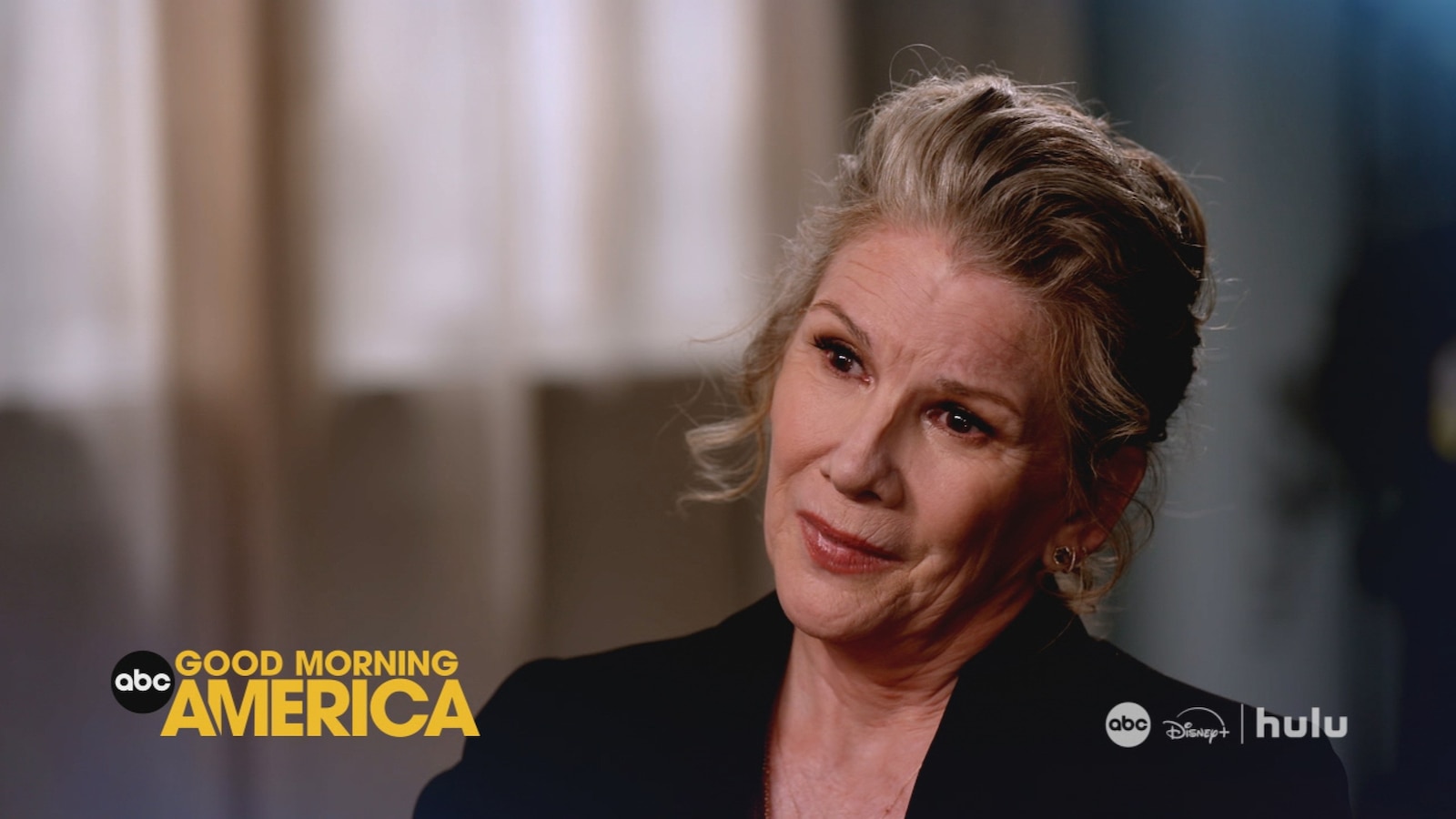
In an emotionally charged interview that marks her first public statement since her husband’s indictment, actress Melissa Gilbert opened up to “Good Morning America” about the devastating impact of child sexual contact charges filed against her husband, actor Timothy Busfield. Sitting down with co-anchor George Stephanopoulos, Gilbert didn’t hold back about how profoundly these allegations have affected their lives together. “This has been the most traumatizing experience of our lives,” she stated plainly, her voice conveying the weight of months spent living under the shadow of accusations that have fundamentally altered their reality. The interview, which aired on a Monday morning, offered viewers a rare glimpse into the personal toll that legal proceedings take on families, regardless of guilt or innocence. Gilbert, best known for her role as Laura Ingalls on “Little House on the Prairie,” appeared alongside the couple’s attorney, Larry Stein, as she prepared to defend not just her husband’s reputation, but the life they’ve built together since their marriage in 2013.
The Collapse of a Life Built Together
When Gilbert spoke about the aftermath of the charges, her words painted a picture of complete devastation. “Our life as we knew it is done. We are grieving what we had. All of our plans, all of our dreams, all of our ideas, all of our projects,” she explained to Stephanopoulos, articulating the sense of loss that extends far beyond the immediate legal concerns. For Gilbert, the charges represent not just a legal battle but the death of the future she and Busfield had envisioned together. She spoke candidly about what she perceives as the permanent damage to her husband’s career and reputation, regardless of the trial’s outcome. “For Tim, it’s done. He’s canceled … even if he’s exonerated, he will always be that guy,” she said, highlighting the harsh reality of accusations in the modern era where public opinion often precedes legal verdicts. Her description of Busfield as “the last person in the world who would hurt a child” reflected her unwavering belief in his innocence, a stance she reinforced with a powerful statement about her own standards: “And believe me, if I thought for a second that Tim Busfield hurt a child, he’d have a lot more to worry about than prison.” These words, delivered with clear conviction, underscored her complete faith in her husband while simultaneously acknowledging the severity of the allegations.
The Legal Case: What We Know
The charges against Timothy Busfield, who earned recognition for his portrayal of journalist Danny Concannon on the acclaimed series “The West Wing,” stem from incidents allegedly occurring on the set of the television show “The Cleaning Lady” during filming in Albuquerque, New Mexico. On February 6, a grand jury in Bernalillo County handed down an indictment charging Busfield with four counts of criminal sexual contact of a child. According to the criminal complaint, the allegations involve inappropriate touching of a child actor during production. Busfield subsequently entered a plea of not guilty to all four counts, setting the stage for what promises to be a lengthy legal battle. The actor turned himself in to New Mexico authorities in January and was initially held without bond before being released on his own recognizance to await trial. The timeline of events—from the initial allegations through the indictment and arraignment—has stretched over several months, each phase adding new layers of stress to the families involved. The trial has been tentatively scheduled for May 2027, meaning more than a year of uncertainty lies ahead for everyone connected to the case.
The Defense’s Position: “A Ham Sandwich” Indictment
Attorney Larry Stein, representing Busfield throughout these proceedings, has been vocally critical of the prosecution’s case from the beginning. Following the grand jury’s decision to indict, Stein released a statement calling the outcome “not unexpected” while simultaneously questioning the strength of the evidence. He invoked the famous legal saying that “a grand jury will indict a ham sandwich,” suggesting that the low burden of proof required for indictment doesn’t reflect the actual merits of the case against his client. “What is deeply concerning is that the District Attorney is choosing to proceed on a case that is fundamentally unsound and cannot be proven at trial,” Stein argued, framing the prosecution’s decision as questionable judgment rather than justice-seeking. He pointed to what he described as “fatal weaknesses in the State’s evidence” that were allegedly exposed during the detention hearing, suggesting that significant gaps exist in the prosecution’s narrative—gaps that, in his view, cannot be filled regardless of how the charges are framed. Stein’s statement concluded with a fighting stance: “Mr. Busfield will fight these charges at every stage and looks forward to testing the State’s case in open court — where evidence matters — not behind closed doors.” This emphasis on open court proceedings reflects a common defense strategy of contrasting the relatively low evidentiary standards of grand jury proceedings with the higher burden of proof required for conviction at trial.
The Prosecution Responds: Focus on the Victims
The Bernalillo County District Attorney’s Office, led by Sam Bregman, offered a measured but firm response to both Gilbert’s interview and the defense’s criticism of their case. In a statement provided to ABC News, the office emphasized that their primary concern remains the alleged victims rather than public relations battles. “The Bernalillo County District Attorney’s Office handles hundreds of child abuse cases every year. When a child reports abuse, we take it very seriously,” the statement read, positioning their prosecution of Busfield within the context of their broader mission to protect children. The office specifically noted that “a neutral grand jury indicted the defendant,” using language that subtly pushed back against suggestions that the indictment resulted from prosecutorial overreach rather than evidence review. Addressing the defense’s characterization of their case as weak, the statement asserted, “This office follows our ethical duty to only proceed on cases where a good faith basis exists to prosecute,” implying confidence in their evidence and legal theory. The district attorney’s office also took aim at Gilbert’s decision to speak publicly, stating, “While it is not surprising that the defendant is attempting to garner public support through the media, our focus remains on the victims.” This framing casts the “Good Morning America” interview as a strategic public relations move rather than a genuine expression of anguish, though it’s likely both elements are present. The statement concluded with a commitment: “We will continue to fight for them every step of the way,” reinforcing their positioning as advocates for alleged child victims.
The Broader Implications: Cancel Culture and Due Process
Beyond the specific facts of this case lies a broader conversation about how society handles accusations of this nature, particularly when they involve public figures. Gilbert’s comment that her husband is “canceled” regardless of the trial’s outcome touches on legitimate concerns about the relationship between legal due process and court of public opinion. In an era where allegations can instantly destroy careers and reputations, the question of how to balance protecting potential victims with preserving the presumption of innocence until proven guilty remains contentious and unresolved. Gilbert’s decision to speak out publicly, explaining it simply as “It’s time” when asked by Stephanopoulos, represents an attempt to reclaim some narrative control in a situation where she and her husband have largely been defined by accusations rather than their own voices. The interview reveals the human cost of legal proceedings that play out in public view—the destroyed plans, the grief for a life that can never be reclaimed, and the permanent association with allegations that may ultimately be disproven in court. As this case moves toward its 2027 trial date, it will continue to raise difficult questions about how our society handles accusations involving children, the rights of the accused, the protection of alleged victims, and the role of media in shaping public perception of ongoing legal matters. For Melissa Gilbert and Timothy Busfield, however, these abstract principles represent their concrete daily reality—a life irrevocably changed, relationships forever altered, and a future that looks nothing like what they had planned together.