


Dramatic Rescue Mission: U.S. Crew Member Recovered After F-15 Fighter Jet Shot Down Over Iran
A Tense Weekend Ends in Success
In what can only be described as a harrowing 48 hours for American military forces and their families back home, a U.S. crew member who had been missing since their F-15E fighter jet was shot down over Iranian territory has been successfully rescued. According to multiple U.S. officials who spoke with CBS News, American forces brought the missing service member to safety early Sunday morning local time, bringing an end to an intense search and rescue operation that had gripped the nation’s attention throughout the weekend. The pilot of the aircraft had already been recovered on Friday, shortly after the incident occurred, but the fate of the second crew member—a weapons system officer—had remained uncertain, leaving military families and officials anxiously awaiting news. While details about the rescued crew member’s physical condition remain unclear at this time, the successful recovery represents a significant relief for U.S. military operations in the region and demonstrates the effectiveness of American search and rescue capabilities even in hostile territory.
The Incident: A Fighter Jet Goes Down in Enemy Territory
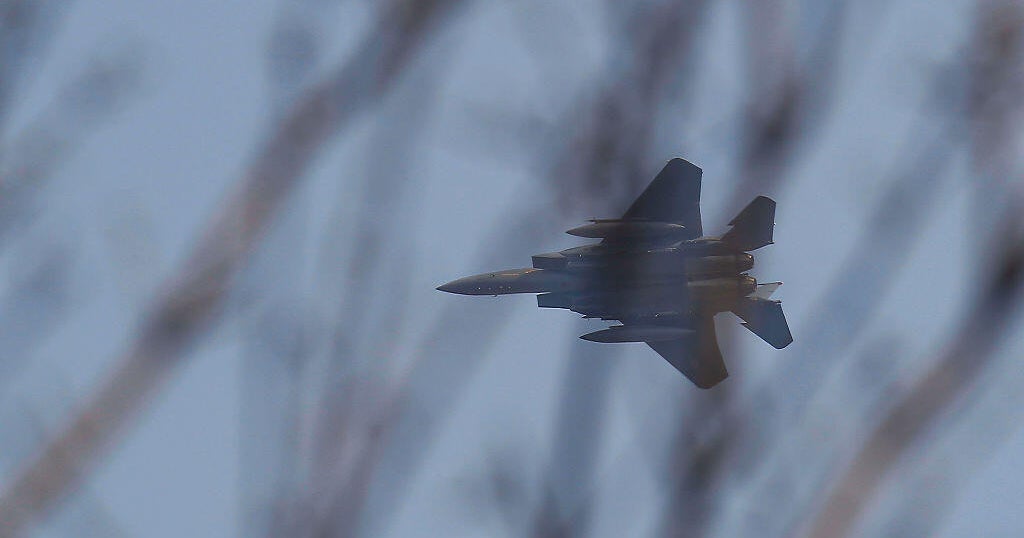
The drama began on Friday morning when Iranian Revolutionary Guards claimed responsibility for shooting down the American F-15E fighter jet over southwestern Iran. This marked a sobering milestone in modern military history—the first time a U.S. fighter jet has been brought down in combat in over two decades, according to retired Air Force Brigadier General Houston Cantwell, a former F-16 fighter pilot who spoke with The Associated Press. The two-person crew faced immediate danger when their aircraft was struck, forcing both to eject over remote and hostile territory. Photos of the wreckage that circulated through Iranian media outlets appeared to show debris consistent with an American F-15, a finding confirmed by two weapons experts who analyzed the images for CBS News. The immediate priority for U.S. forces became locating and extracting both crew members before they could be captured by Iranian forces, setting in motion a complex and dangerous rescue operation in an area where American military personnel face significant threats from both regular Iranian military forces and various militia groups operating in the region.
Friday’s Rescue Efforts: Courage Under Fire
The first rescue mission on Friday successfully recovered the F-15E’s pilot, but the operation came at a cost and highlighted the dangerous conditions American forces were operating under. Two military helicopters conducted the extraction of the pilot, who had safely ejected from the stricken aircraft, but during this recovery effort, one of the helicopters came under small arms fire from forces on the ground. The attack wounded crew members aboard the helicopter, though U.S. officials confirmed that despite the damage and injuries, the aircraft managed to land safely. The danger didn’t end there—an A-10 Warthog attack aircraft, which had been deployed as part of the search mission to provide air support and help locate the missing crew members, also took fire and sustained damage serious enough that its pilot was forced to eject over the Persian Gulf. Fortunately, that pilot was successfully recovered from the water, but the incidents underscored the significant risks American forces were taking to bring their fellow service members home. These events demonstrated both the dedication of U.S. military personnel to the principle of leaving no one behind and the hostile environment they were operating in, where every moment of the search and rescue operation carried the potential for additional casualties.
The Technology and Training Behind Search and Rescue
CBS News national security analyst Aaron MacLean provided valuable context on Friday about how these complex rescue operations unfold, explaining the sophisticated systems and highly trained personnel that make such missions possible. The U.S. military employs specially trained forces known as Air Force Pararescuemen who are specifically dedicated to recovering downed pilots and crew members from hostile territory. These elite operators undergo some of the most rigorous training in the military to prepare them for exactly these types of high-stakes missions. MacLean also detailed the equipment and training that downed aircrew receive, which significantly improves their chances of survival and recovery. The missing crew member would have been equipped with first-aid supplies and trained in self-care procedures for treating injuries sustained during ejection or landing. Perhaps most importantly, they would have carried communications equipment designed to maintain contact with their chain of command, letting commanders know they were alive and able to participate in their own rescue. This equipment includes GPS trackers that pinpoint their location, emergency beacons to signal rescue forces, and encrypted radios that allow them to communicate with friendly forces while remaining undetected by enemy personnel searching for them. These technological advantages, combined with the determination and skill of rescue forces, transform what might seem like impossible odds into achievable missions, even deep in enemy territory.
Presidential Response and Escalating Tensions
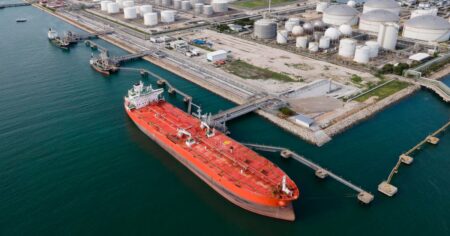
President Trump maintained a relatively low profile regarding the search operation itself, telling The Independent in a phone interview on Friday that he couldn’t comment on potential actions if the crew member were captured by Iran, saying only, “Well, I can’t comment on it because—we hope that’s not going to happen.” However, the President’s attention remained focused on broader strategic issues in the region, particularly Iran’s control over the Strait of Hormuz, one of the world’s most critical maritime chokepoints. On Saturday, even as rescue operations continued, Trump issued a stark warning to the Iranian regime, giving them 48 hours to reopen the crucial waterway or face consequences, stating that “all Hell will reign down on them.” The strait’s importance cannot be overstated—approximately 20% of all global oil traffic passes through this narrow passage, and its virtual closure since the beginning of the conflict has sent fuel prices skyrocketing around the world, affecting economies far beyond the Middle East. The standoff over the strait adds another layer of complexity to an already tense situation, with economic pressures mounting on all sides as the conflict continues.
A Costly Conflict with Growing Casualties
The downing of the F-15E represents just one incident in what has become an increasingly costly conflict that began on February 28. While this marked the first U.S. fighter jet shot down by enemy fire in combat in over 20 years, it sadly wasn’t the first aircraft lost during this conflict. The Pentagon confirmed that at least four U.S. fighter jets have been shot down since the war began, though three of those losses came from a tragic friendly-fire incident rather than enemy action. On March 1, U.S. Central Command reported that three American F-15s were “mistakenly shot down by Kuwaiti air defenses,” though fortunately there were no casualties from that incident. These losses highlight the complex and dangerous operating environment in the region, where identification systems must work flawlessly and coordination between allied forces becomes absolutely critical to preventing such tragedies. Each aircraft lost represents not only significant financial cost—modern fighter jets cost tens of millions of dollars each—but more importantly, places American lives at risk. The successful rescue of both crew members from Friday’s shootdown represents a bright spot in an otherwise difficult period, demonstrating that while the technology of warfare has grown increasingly sophisticated and deadly, the commitment to bringing every service member home remains as strong as ever. As this conflict continues to unfold, these rescue operations serve as powerful reminders of the human cost of military operations and the extraordinary courage of those who serve.