
Major Eye Drop Recall Affects Over 3 Million Bottles Sold at National Retailers
Widespread Recall Impacts Multiple Store Brands Across the Country
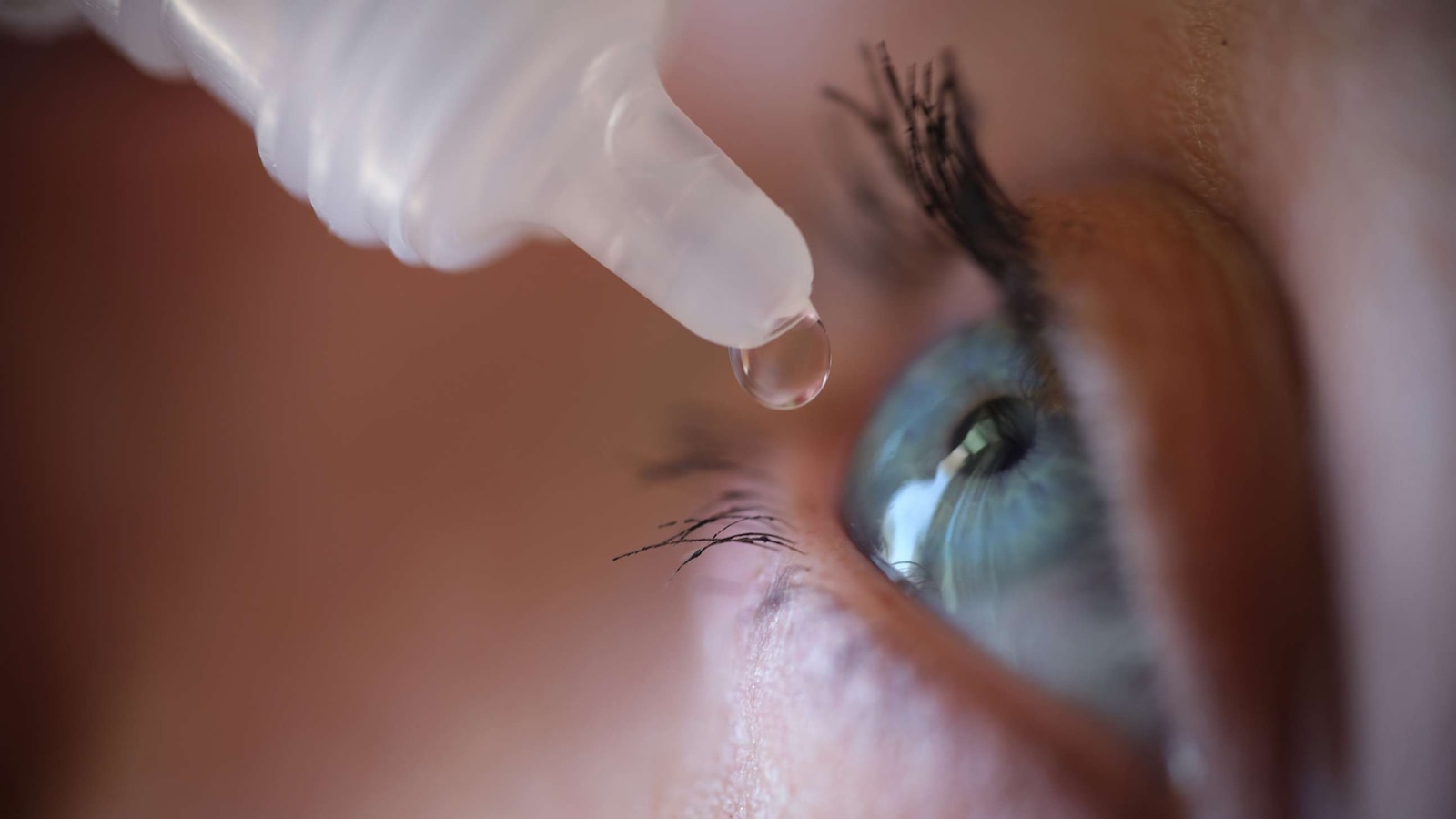
In a significant consumer safety action, more than 3 million bottles of eye drops have been pulled from shelves at major retailers across the United States. The voluntary recall, announced by the U.S. Food and Drug Administration, affects products sold at well-known chains including CVS, HEB, Kroger, Meijer, Walgreens, and numerous other stores nationwide. The reason behind this massive recall is concerning: there’s a “lack of assurance of sterility” in these products, which could potentially put users at risk. The eye drops were manufactured by KC Pharmaceuticals Inc., a company that produces private label products, meaning they make the same basic product that gets rebranded and sold under different store names. This explains why the recall spans so many different brand labels that shoppers might recognize from their local pharmacy or grocery store shelves.
The scope of this recall is extensive, covering products sold under familiar store brand names that millions of Americans trust and use regularly. These include Best Choice, CVS, Discount Drug Mart, Gericare, Kroger, and Walgreens branded eye drops. What makes this recall particularly notable is that many consumers may not realize that different store brands can actually come from the same manufacturer. This is a common practice in the retail industry, where one production facility creates products that are then packaged and labeled for various retailers. For shoppers, this means that even if you typically buy from different stores or prefer one store brand over another, you could still be affected by this recall if KC Pharmaceuticals produced the eye drops you purchased.
Understanding the Timeline and Classification of the Recall
The recall process began on March 3, when KC Pharmaceuticals first voluntarily recalled these products. Nearly a month later, on March 31, the FDA took the additional step of assigning this recall a Class II designation. Understanding what this classification means is important for consumers who may have these products in their medicine cabinets. According to the FDA’s definition, a Class II recall indicates that using the affected product might cause temporary or medically reversible adverse health consequences. The agency also notes that the probability of serious adverse health consequences is considered remote. While this might sound somewhat reassuring, it’s still a serious matter that shouldn’t be taken lightly. Eye drops are applied directly to one of the body’s most sensitive and important organs, and the sterility of such products is absolutely crucial for preventing infections and other complications.
The “lack of assurance of sterility” cited as the reason for the recall is particularly concerning when it comes to eye products. Our eyes are delicate organs that can be easily damaged by contamination. When products aren’t guaranteed to be sterile, there’s a risk that bacteria, fungi, or other microorganisms could be present. If these contaminants enter the eye, they could potentially cause infections ranging from mild irritation to more serious conditions that could affect vision. While the Class II designation suggests that severe consequences are unlikely, any risk to eye health deserves serious attention. The FDA’s involvement and the manufacturer’s decision to voluntarily recall millions of bottles demonstrates the seriousness with which this potential safety issue is being treated.
Detailed Breakdown of Affected Products
The recall encompasses a staggering variety of eye drop formulations, affecting different types of products designed for various eye care needs. The numbers are significant: 182,424 bottles of Sterile Eye Drops AC, which contain tetrahydrozoline HCl and zinc sulfate, typically used for reducing redness; 303,216 bottles of Eye Drops Advanced Relief, a combination formula; and a massive 1,023,096 bottles of Dry Eye Relief Eye Drops, which represents the largest single product type in the recall. Additionally, 245,184 bottles of Ultra Lubricating Eye Drops, 378,144 bottles of the Original Formula sterile eye drops, 315,144 bottles of Redness Lubricant drops, 74,016 bottles of Soothing Tears, and 589,848 bottles of Artificial Tears have been recalled. Each of these products serves different purposes, from basic eye lubrication to redness relief, meaning that consumers with various eye care needs could potentially be affected.
For consumers trying to determine whether their eye drops are part of this recall, it’s essential to check the specific details of your product. The FDA has provided comprehensive information on its website, including lot numbers, UPC codes, and expiration dates for all affected products. All of the recalled bottles are 0.5-ounce (15-milliliter) size, which is a standard size for eye drop bottles. The various formulations contain different active ingredients depending on their intended use: some contain tetrahydrozoline for redness relief, others have lubricating ingredients like polyethylene glycol and propylene glycol for dry eyes, while still others contain artificial tear formulations with polyvinyl alcohol and povidone. Checking your specific product against the recall list is crucial because not all eye drops from these retailers are affected—only those manufactured by KC Pharmaceuticals with specific lot numbers and expiration dates.
Retailer Response and Consumer Actions
CVS, one of the nation’s largest pharmacy chains, has taken swift action in response to this recall. The company has posted several recall notices on its website for various affected products, including GeriCare Artificial Tears Lubricant Eye Drops, CVS Lubricant Eye Drops Redness Reliever, CVS Lubricant Eye Drops Dry Eye, and two-packs of CVS Lubricant Eye Drops Redness Reliever. In these notices, CVS cites potential microbial contamination as the concern, which provides more specific detail about the sterility concerns. In a statement released on Friday, a CVS spokesperson emphasized the company’s commitment to cooperating fully with the manufacturer’s voluntary recall, stating that they are “committed to ensuring the products we offer are safe, work as intended, comply with regulations, and satisfy customers’ needs.”
The pharmacy chain has implemented several measures to protect consumers and prevent the sale of affected products. All recalled items have been removed from CVS Pharmacy stores nationwide and from their online shopping platform, CVS.com. Additionally, the company has put a “Do Not Sell” register prompt in place, which means that even if any bottles were somehow missed during the removal process, the cash register system would prevent them from being sold if someone tried to purchase them. For customers who have already purchased these products, CVS is offering a straightforward solution: anyone who bought the affected eye drops can return them to any CVS Pharmacy location for a full refund, regardless of whether they have a receipt. This consumer-friendly approach makes it easy for people to get their money back and ensures they’re not left with potentially unsafe products.
What This Means for Consumer Safety
This recall serves as an important reminder about the significance of product safety oversight and the systems in place to protect consumers. The fact that this was a voluntary recall initiated by the manufacturer demonstrates that companies are monitoring their products and taking responsibility when potential issues arise. However, it also highlights the importance of consumers staying informed about recalls and taking them seriously. Eye health is not something to gamble with, and even though the FDA has classified this as a Class II recall with remote chances of serious consequences, the potential for eye infections or other complications means that anyone with these products should stop using them immediately. Eyes are irreplaceable, and protecting them should always be a top priority.
For consumers, this situation underscores several important practices. First, it’s wise to keep packaging and receipts for health and personal care products, at least until you’ve used them without incident, as this makes returning recalled items easier. Second, registering with the FDA’s recall notification system or regularly checking their website can help you stay informed about product safety issues. Third, if you experience any unusual symptoms after using any eye care product—such as increased redness, pain, discharge, or vision changes—you should stop using the product immediately and consult with an eye care professional. Finally, this recall demonstrates why it’s important to pay attention to where your products are manufactured, not just which brand name is on the label, since multiple store brands can come from the same source. While private label manufacturing is a common and generally safe practice, situations like this show how a single manufacturer’s issue can have widespread effects across multiple retail brands, affecting millions of consumers who thought they were buying completely different products.