


NC State University Embroiled in Legal Battle Over Former Sports Medicine Director
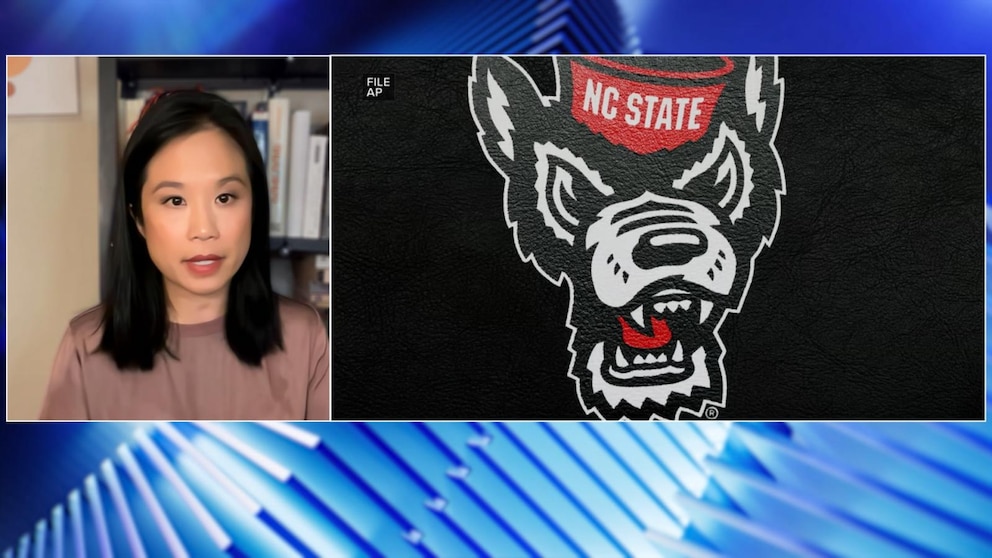
North Carolina State University finds itself at the center of a significant legal controversy following a lawsuit that raises serious questions about the institution’s handling of allegations against its former sports medicine director. The case has drawn attention not only to the specific circumstances surrounding the departure of a key athletic department figure but also to broader issues of workplace conduct, institutional accountability, and the welfare of student-athletes. As the legal proceedings unfold, the university faces mounting pressure to address concerns about its internal processes and the culture within its athletic programs. This lawsuit represents more than just a dispute between former employees and their employer; it touches on fundamental questions about how universities protect those in their care and respond when allegations of misconduct surface.
The lawsuit centers on allegations involving the former sports medicine director, whose role placed them in a position of significant responsibility for the health and wellbeing of NC State’s student-athletes. Sports medicine directors typically oversee the medical care, injury prevention, and rehabilitation of athletes across all university sports programs, making them essential figures within athletic departments. According to court filings, the allegations suggest patterns of inappropriate behavior and potential misconduct that allegedly occurred during the director’s tenure. The nature and specifics of these allegations have become focal points of the legal action, with plaintiffs arguing that the university either failed to adequately investigate concerns brought to its attention or did not take appropriate action in response to credible complaints. The lawsuit paints a troubling picture of an environment where those who should have been protected may have instead been exposed to harmful situations.
What makes this case particularly significant is not just the allegations themselves but what the lawsuit suggests about NC State’s institutional response. The plaintiffs contend that university officials were made aware of concerning behavior through formal and informal channels but allegedly failed to take timely or adequate action to address the situation. This raises critical questions about the reporting mechanisms available to student-athletes, staff, and others within the athletic department, and whether those systems functioned as intended. When individuals come forward with concerns about someone in a position of authority, they place enormous trust in the institution to handle those reports seriously, confidentially, and effectively. The lawsuit alleges that this trust may have been misplaced, and that the university’s response fell short of what should be expected from an institution of higher learning. Such allegations, if proven true, would represent a significant failure in the university’s duty of care toward its community members.
The legal action also highlights the vulnerable position of student-athletes within university athletic programs. These young people often depend heavily on sports medicine staff for their physical health and career prospects, creating inherent power imbalances that require careful institutional oversight. When concerns arise about those entrusted with their care, student-athletes may feel particularly hesitant to come forward, fearing repercussions for their athletic careers or worried that they won’t be believed when speaking out against established authority figures. This dynamic makes it all the more critical that universities maintain robust reporting systems, conduct thorough investigations when concerns are raised, and take decisive action when warranted. The lawsuit suggests that these systems may have failed at NC State, potentially leaving vulnerable individuals without adequate protection or recourse. The ripple effects of such failures extend beyond the immediate victims to affect the entire athletic community’s sense of safety and trust.
NC State University has responded to the lawsuit with statements emphasizing its commitment to the safety and wellbeing of all community members, though specific details about the institution’s defense remain limited as the case proceeds through the legal system. University officials have indicated that they take all allegations seriously and follow established protocols for investigating concerns, but the lawsuit challenges whether those protocols were properly followed in this instance. The university faces a delicate balancing act: defending itself against legal claims while also demonstrating to current and prospective students, athletes, and their families that it maintains a safe environment and responds appropriately to misconduct allegations. The outcome of this case could have significant implications for NC State’s reputation, recruitment efforts, and internal policies. Beyond the immediate legal and financial consequences, the university must grapple with questions about institutional culture and whether changes are needed to prevent similar situations in the future.
This lawsuit arrives amid a broader national reckoning with how educational institutions handle misconduct allegations, particularly within athletic programs. High-profile cases at other universities have revealed systemic failures to protect vulnerable individuals and have led to significant reforms in how complaints are investigated and addressed. The NC State case adds to this growing body of litigation that is forcing universities nationwide to examine their policies, training programs, and institutional cultures. For families entrusting their children to collegiate athletic programs, these cases serve as sobering reminders of the importance of institutional accountability and transparency. As this lawsuit proceeds, it will likely prompt difficult conversations at NC State and beyond about how to better protect student-athletes, empower those who witness concerning behavior to come forward, and ensure that all individuals within university communities can work and learn in environments free from misconduct. The resolution of this case, whatever form it takes, will be watched closely by higher education institutions everywhere as they continue to refine their approaches to these challenging issues and work to rebuild trust with the communities they serve.