
Major Recall Alert: Nearly 90,000 Bottles of Children’s Ibuprofen Pulled from Shelves
Understanding the Scope of the Recall
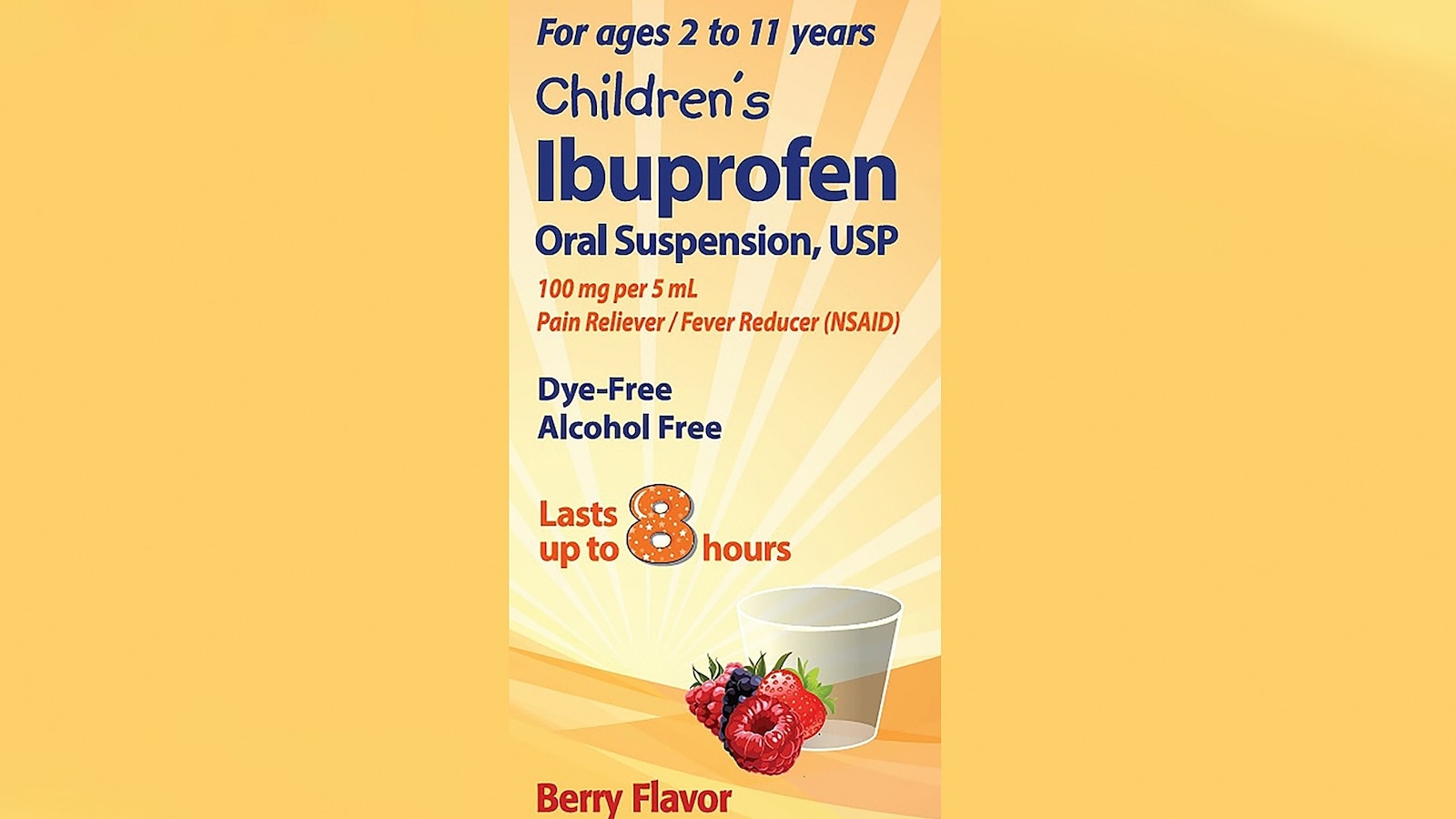
Parents and caregivers across the nation need to be aware of a significant voluntary recall affecting children’s pain medication. Taro Pharmaceuticals U.S.A., Inc. has initiated a recall of approximately 90,000 bottles of Children’s Ibuprofen Oral Suspension after receiving troubling reports from consumers. The recall was announced through the Food and Drug Administration (FDA), which oversees drug safety in the United States. What makes this recall particularly concerning is that the affected product is specifically designed for children—one of our most vulnerable populations when it comes to medication safety. The ibuprofen suspension, commonly used in households nationwide to treat childhood ailments, has been found to potentially contain foreign substances that shouldn’t be present in any medication, let alone one intended for children.
The discovery came to light after Taro Pharmaceuticals received multiple customer complaints describing disturbing findings in their bottles of children’s ibuprofen. Parents reported discovering a mysterious “gel-like mass and black particles” floating in the liquid medication. These are exactly the kinds of findings that would alarm any parent preparing to give their child medicine, and rightfully prompted immediate action from the pharmaceutical company. The presence of any foreign material in medication is unacceptable, particularly when that medication is formulated for children who depend on adults to ensure their safety. This recall serves as an important reminder of why vigilance matters when it comes to checking medications before administration, and why reporting concerns to manufacturers can protect other families from potential harm.
What Products Are Affected?
If you have children’s ibuprofen in your medicine cabinet, it’s essential to check whether your bottle is part of this recall. The affected products are specifically four-ounce (120 milliliter) bottles of Children’s Ibuprofen Oral Suspension. These bottles were manufactured in India on behalf of Taro Pharmaceuticals U.S.A., Inc., highlighting the increasingly global nature of pharmaceutical manufacturing. The medication itself is a familiar staple in most family medicine cabinets—it’s the type of product parents reach for when their child has a fever, headache, toothache, sore throat, or is suffering from common cold or flu symptoms. This is precisely why the recall is so significant: it affects a widely-used, trusted medication that parents depend on during their children’s times of discomfort and illness.
To determine if your bottle is affected, you’ll need to check two specific pieces of information printed on the packaging. First, look for the lot code, which identifies the specific batch of medication that was produced. The recalled products bear one of two lot codes: 7261973A or 7261974A. Second, check the expiration date printed on the bottle. All affected bottles have an expiration date of January 31, 2027. If your bottle of children’s ibuprofen matches both of these criteria—having one of these lot codes AND this specific expiration date—then it’s part of the recall and should not be used. It’s worth noting that not all children’s ibuprofen products are affected, only these specific batches, so checking these details carefully is crucial before discarding medication or continuing to use it.
Understanding the Safety Classification
The FDA has classified this recall as Class II, which provides important context about the level of risk involved. According to the FDA’s classification system, a Class II recall applies to situations where “use of or exposure to a violative product may cause temporary or medically reversible adverse health consequences or where the probability of serious adverse health consequences is remote.” In simpler terms, this means that while the product doesn’t meet safety standards and could potentially cause health problems, those problems are more likely to be temporary rather than permanent, and the chance of serious harm is considered low. This is a middle-tier classification—more serious than Class III (which involves products unlikely to cause any adverse health consequences) but less serious than Class I (which involves products that could cause serious harm or death).
However, parents should not let this classification create a false sense of security. While the FDA considers the probability of serious consequences “remote,” the presence of any foreign material in children’s medication is concerning and unpredictable. We don’t know exactly what the gel-like substance or black particles are, which means we can’t fully predict how they might affect a child who ingests them. Children’s bodies are smaller and more sensitive than adults’, and their reactions to foreign substances can be more pronounced. Additionally, the psychological impact on parents who discover they may have inadvertently given their child contaminated medication shouldn’t be underestimated. The Class II designation is helpful for understanding regulatory perspective, but it shouldn’t minimize parents’ concerns or their need to take this recall seriously by checking their medicine cabinets immediately.
Corporate Response and Accountability
The recall involves a complex web of pharmaceutical companies, which is increasingly common in today’s global drug manufacturing landscape. Taro Pharmaceuticals U.S.A., Inc. is actually a subsidiary of Sun Pharma, a larger pharmaceutical corporation. However, the actual manufacturing of these specific bottles was done by yet another company—Strides—which is described as a “third-party partner” and the “application holder.” This multi-layered structure means that quality control and accountability span several different organizations across different countries, which can sometimes complicate oversight but also means multiple entities should be maintaining vigilance over product quality.
Jeremy Allen, who serves as vice president of corporate affairs for Sun Pharma, issued a statement addressing the recall and emphasizing the company’s commitment to quality and safety. In his statement, Allen said, “We are committed to maintaining the highest standards of quality across all Taro labeled products, including those manufactured by third-party partners such as Strides, the application holder. We are in close contact with Strides as it fully investigates the root cause of this issue and ensures all regulatory expectations are met. Sun Pharmaceuticals remains dedicated to protecting patient safety and ensuring strong oversight of our partner.” This statement acknowledges the seriousness of the situation while also making clear that an investigation is underway to determine exactly how this contamination occurred. For concerned parents, this indicates that the companies involved are taking the matter seriously and working to prevent similar incidents in the future, though the fact that contamination reached consumers in the first place raises questions about the adequacy of current quality control measures.
What Parents Should Do Now
If you have children’s ibuprofen at home, your first step should be to immediately check any bottles you have against the recall information. Look for the lot codes (7261973A or 7261974A) and expiration date (01/31/2027) on your bottles. If you find that you have an affected product, stop using it immediately—do not give it to your child, even if the bottle appears normal and you don’t see any foreign particles. The absence of visible contamination in your specific bottle doesn’t mean it’s safe, as quality issues in a manufacturing batch can affect bottles inconsistently.
If you’ve already given your child medication from a recalled bottle, don’t panic, but do stay vigilant. Monitor your child for any unusual symptoms, reactions, or complaints. While the FDA considers the risk of serious harm remote, every child is different, and it’s better to be cautious. If you notice anything concerning or if your child develops any unusual symptoms, contact your pediatrician or healthcare provider right away. They can advise you on whether any medical evaluation is necessary and what signs to watch for. For peace of mind, you might also consider mentioning the situation at your child’s next regular check-up, even if no symptoms appeared.
Beyond your immediate family’s safety, you can also help protect other families by reporting your experience if you purchased a recalled product. Contact Taro Pharmaceuticals or report the issue to the FDA through their MedWatch program, which collects information about problems with medical products. Dispose of recalled medication safely—don’t simply throw it in the trash where children or pets might access it. Many pharmacies offer medication take-back programs, or you can follow FDA guidelines for safe home disposal. Finally, if you need children’s ibuprofen and your bottle was recalled, consult with your pharmacist about safe alternatives. They can recommend non-recalled products and answer any questions you might have about medication safety. This recall is a reminder that staying informed, checking medications before use, and maintaining open communication with healthcare providers are essential parts of keeping our children safe and healthy.