


Brown University Shooting: New Video Footage Released Amid Community Healing
Balancing Transparency with Compassion
The city of Providence found itself walking a difficult tightrope this week as it released new video footage from the tragic Brown University shooting that left two promising young students dead and nine others injured. Mayor Brett Smiley made it clear that while the city is committed to transparency and compliance with Rhode Island’s Access to Public Records Act, they were equally concerned about the wellbeing of victims, their families, and the broader community still reeling from the December tragedy. In his statement, the mayor acknowledged the painful reality that releasing this footage—however necessary from a legal and public accountability standpoint—would inevitably reopen wounds for those trying to heal. The city carefully redacted the most graphic and violent portions of the recordings, attempting to strike a balance between the public’s right to know and the victims’ need to recover without being further traumatized by reliving those horrific moments.
The Chaos of Those First Critical Minutes
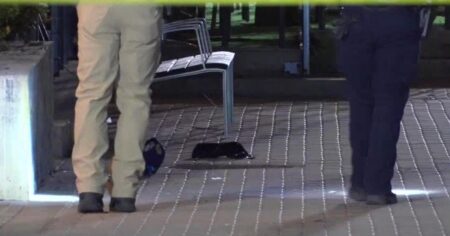
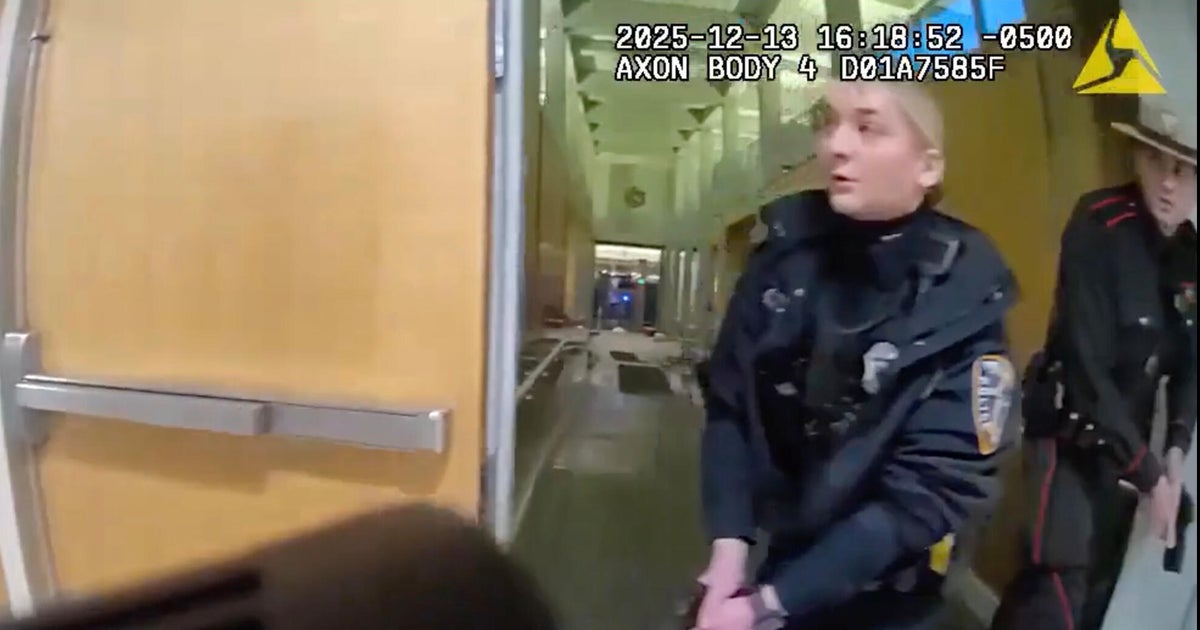
The newly released materials paint a picture of confusion, urgency, and courage as first responders raced to protect students and neutralize what they believed might be an ongoing threat. Audio recordings capture a campus police officer’s initial call to city police at 4:07 p.m., reporting confirmed gunshots at 184 Hope Street and mentioning a victim whose location was unknown. Just four minutes later, campus police called back with a chilling update: the suspect was described as wearing all black and a ski mask, with no one knowing which direction he had gone. The approximately 20 minutes of body camera footage from the officer coordinating the initial response shows just how chaotic and terrifying those first moments were—officers didn’t know if the shooter was still in the building, students were being evacuated with nowhere safe to go, and the scene was littered with abandoned backpacks, gloves, and personal items that students had dropped in their panic to escape. The officer can be heard asking urgently about staging areas for rescues and warning his colleagues that the shooter might still be inside, urging them to use extreme caution.
A Scene of Terror and Heroism
The footage, though heavily redacted with long portions blacked out or with audio removed, still manages to convey the terror and confusion of that afternoon. In some sections, the camera view is blocked by the responding officer’s arms, limiting what viewers can see of the scene. Additional audio captures officers reporting possible sightings of the shooter on the second floor of another building and communications about a suspect being taken into custody. One officer’s voice cuts through the chaos: “We’ve got victims in this building, get some rescues over here.” Another warning follows: “Be advised this is an active shooter situation. We have multiple victims in this building.” These were professionals doing their jobs under unimaginable pressure, trying to save lives while not knowing if they themselves might be in the shooter’s sights. The city waited to release these records until after a memorial service was held on Brown’s campus the previous week, honoring the request of the victims’ families who needed time to grieve and remember their loved ones before the public scrutiny intensified again.
The Victims and the Violence
On that terrible December 13th afternoon, 48-year-old Claudio Neves Valente walked into a study session in a Brown academic building and opened fire on students who were simply trying to prepare for their exams. He killed 19-year-old sophomore Ella Cook and 18-year-old freshman MukhammadAziz Umurzokov—two young people whose lives were just beginning, full of promise and potential. Nine other students were wounded, some seriously. A newly released police incident report detailed the heartbreaking moments when hospitalized victims were shown photographs of the suspected shooter. One victim’s reaction was particularly gut-wrenching: she “quickly froze, physically pushed back” and began crying and shaking as she confirmed the image matched the person who had shot her. Another victim “took a deep breath, shut his eyes, changed his breathing pattern” before confirming that the shooter he had seen in the hallway appeared to be the person in the photos. These weren’t just statistics or case numbers—these were real young people who had experienced unimaginable terror and would carry those scars, both physical and emotional, for the rest of their lives.
A Shooter with Connections and a Dark Plan
Investigators pieced together a disturbing portrait of the gunman in the days following the attack. Neves Valente had briefly been a graduate student at Brown himself, studying physics during the 2000-01 school year before his life took a darker turn. But his connection to Brown wasn’t his only tie to academia—authorities discovered that he had also fatally shot Massachusetts Institute of Technology professor Nuno F.G. Loureiro at Loureiro’s Boston-area home. The two men had attended school together in Portugal back in the 1990s, adding another layer of tragedy to an already incomprehensible act of violence. Neves Valente had moved to the United States in 2017 after receiving a green card through a visa lottery program, eventually settling into a life that would end in horrific violence. Days after the shooting, police found him dead in a New Hampshire storage facility. The Justice Department later revealed that Neves Valente had planned the attack for years, leaving behind videos in which he confessed to the killings but offered no motive that could help anyone make sense of why he had destroyed so many lives. The FBI recovered the electronic device containing these confession videos during their search of the storage facility, and police credited information from a tipster who had encountered the suspect near Brown University as key to making the identification.
A Community Still Processing Unthinkable Trauma
As Brown students returned to campus last month, many admitted they were still struggling to process what had happened in their community. Graduate student Garrett Wheeler spoke for many when he told reporters, “I still kind of feel numb to it all I guess. I am still pretty depressed something like this could happen here.” His words capture the sense of disbelief that so many feel when violence invades spaces that are supposed to be safe—places of learning, growth, and intellectual exploration. Brown University, an Ivy League institution with a reputation for progressive values and academic excellence, suddenly found itself joining the tragic list of American schools touched by gun violence. The release of this footage, while legally necessary and important for transparency, represents another painful chapter in the community’s healing process. For the victims still recovering, for the families of Ella and MukhammadAziz who will never see their children graduate, for the students who witnessed horrors no young person should see, and for the first responders who did everything they could to save lives that day—the journey toward healing will be long and difficult. The city’s decision to redact the most graphic content shows a recognition that transparency doesn’t require re-traumatizing people who have already suffered enough, and that sometimes the most important records are the ones that show us not just what happened, but how a community responds with both honesty and compassion in the aftermath of tragedy.