
The Death of a Journalist: A War Crime in Southern Lebanon
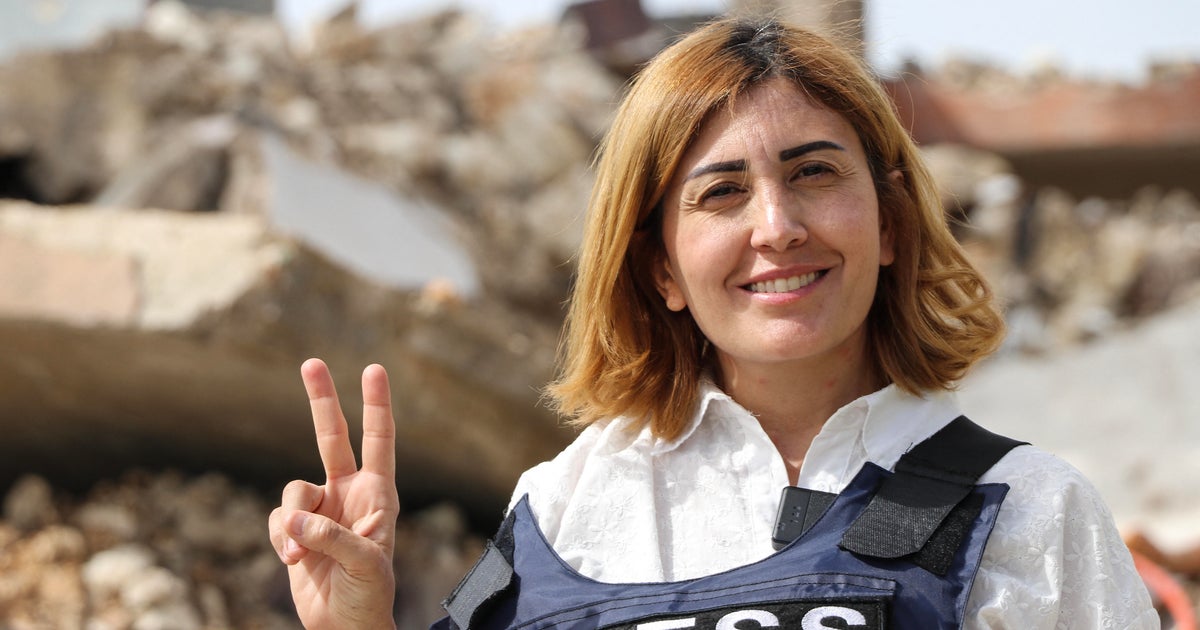
The tragic death of Lebanese journalist Amal Khalil has sparked international outrage and raised serious questions about the targeting of media workers in conflict zones. On a Wednesday that would shake Lebanon’s journalistic community to its core, the 43-year-old reporter for Al-Akhbar newspaper lost her life not in a sudden strike, but in what has been described as a prolonged and preventable tragedy. Trapped beneath the rubble of a destroyed building following an Israeli drone strike, Khalil bled to death over the course of nearly four hours while rescue workers were allegedly prevented from reaching her by Israeli forces’ gunfire. This horrifying incident has been labeled a war crime by Lebanese Prime Minister Nawaf Salam, who publicly condemned what he described as Israel’s systematic approach to targeting journalists carrying out their professional duties. The death of this veteran correspondent, who had covered the dangerous borderlands of southern Lebanon with courage and dedication, represents more than just another casualty in the ongoing conflict—it symbolizes the increasingly perilous nature of journalism in war zones and the apparent disregard for the protection that international law is supposed to afford to media workers.
A Routine Assignment Turns Deadly
Amal Khalil and her colleague, 21-year-old photojournalist Zeinab Faraj, were simply doing their jobs that fateful day near the town of Al-Tayri in southern Lebanon. They were documenting the reality on the ground, bearing witness to events in a region that has seen escalating tensions and violence. According to Lebanon’s Union of Journalists, the two women were working in the area when an Israeli drone suddenly struck a vehicle in front of them, killing two civilians instantly. The horror didn’t end there. The journalists’ own vehicle became the next target, forcing Khalil and Faraj to flee for their lives. They sought refuge in a nearby building, hoping the structure would provide safety from the aerial assault. Instead, approximately two hours after the initial attack, the Israel Defense Forces struck that very building, bringing it crashing down around them. While Faraj survived with injuries, Khalil became trapped beneath the heavy rubble, her injuries causing her to slowly bleed out as precious time slipped away. The Lebanese Health Ministry reported that the IDF pursued the journalists deliberately, “targeting the house to which they had fled,” suggesting this was not a case of mistaken identity or collateral damage, but rather a calculated action against media workers covering the conflict.
The Four-Hour Nightmare: Rescue Efforts Blocked
Perhaps the most disturbing aspect of Amal Khalil’s death is not just that she was injured in the strike, but that she might have been saved if emergency responders had been allowed to reach her in time. According to multiple sources, including Lebanon’s Union of Journalists and the Lebanese Health Ministry, rescue workers were prevented from accessing the collapsed building where Khalil lay trapped and bleeding. The Lebanese Red Cross arrived at the scene to transport the injured, prepared to carry out their humanitarian mission, but were allegedly met with hostile fire from Israeli forces. The ministry reported that the IDF fired a stun grenade at the ambulance and targeted it with gunfire, making it impossible to extract Khalil from the rubble. For nearly four hours, this journalist—who had dedicated her career to bringing truth to light—remained trapped while those who could have saved her were forced to stay back. The rescue workers eventually managed to extract Zeinab Faraj, who was seriously wounded, along with the bodies of two men killed in the attack. But for Khalil, help came too late. Clayton Weimer, executive director of Reporters Without Borders, confirmed that his organization had contacted the Israeli army during the incident, specifically asking them to allow ambulances through to reach the injured journalist, highlighting the international community’s awareness of the situation as it unfolded. The Lebanese Health Ministry described this as a “blatant double violation”—both for allegedly obstructing rescue efforts and for targeting a Red Cross ambulance, actions that would constitute serious breaches of international humanitarian law.
Competing Narratives and Denials
The Israel Defense Forces has offered a starkly different account of the events that led to Khalil’s death. In a statement issued on Wednesday, the IDF denied that its troops had prevented rescue teams from reaching the attack site. Furthermore, the military stated categorically that it “does not target journalists and acts to mitigate harm to them while maintaining the safety and security of its troops.” According to the IDF’s version of events, they had identified and targeted two vehicles that departed from “a military structure used by Hezbollah” and approached their troops “in a manner that posed an immediate threat to their safety.” This framing suggests the military viewed the vehicles as potential security threats rather than as journalists going about their work. Notably, the IDF has not officially acknowledged Khalil’s death as of the reports. This silence is consistent with a pattern; just last month, the Israeli military described three journalists who worked for the Hezbollah-affiliated Al Manar TV network, who were killed in an Israeli strike, as terrorists from the group’s military wing rather than as media workers. This characterization raises deeply troubling questions about how the IDF categorizes journalists working in southern Lebanon and whether their profession affords them any protection under the military’s rules of engagement. The competing narratives—Lebanon’s accusation of deliberate targeting and obstruction of rescue efforts versus Israel’s claims of responding to security threats while respecting journalists’ safety—represent a fundamental disagreement not just about what happened that day, but about the very nature of journalism in conflict zones and the protections journalists should receive.
A Journalist Who Knew the Risks
Amal Khalil was no naive newcomer to the dangers of reporting from conflict zones. As a veteran correspondent who had spent years covering the volatile situation in southern Lebanon, particularly in border villages like Jebbayn, she understood the risks inherent in her work. In 2024, both Khalil and the journalists’ union reported that she had been targeted by what they described as an “Israeli death threat,” warning her to leave the south of Lebanon. In a video that has since gone viral following her death, Khalil claimed that the threat was explicit and chilling: “They said, ‘We will separate your head from your shoulders.'” Despite this terrifying warning, Khalil chose to continue her work, to keep reporting from one of the most dangerous regions in the Middle East, driven by a sense of professional duty and perhaps a belief that bearing witness to events was worth the personal risk. Her decision to stay speaks to the courage that journalists in conflict zones must summon daily, working in environments where their presence is often unwelcome to one side or another, where they may be viewed not as neutral observers but as threats, propagandists, or legitimate targets. On Thursday, the day after her death, mourners gathered in the streets of Baysariyah, Khalil’s hometown in southern Lebanon, to pay their final respects. They carried her coffin, draped respectfully in the Lebanese flag, through the streets in a somber procession. Atop the casket sat powerful symbols of her profession—a blue flak jacket and helmet, the protective gear that journalists in war zones wear as their only shield against the violence around them, equipment that ultimately could not save her life. The funeral became not just a mourning for one woman, but a statement about the sacrificing journalists make in pursuit of truth.
A Broader Crisis: The Death Toll Among Journalists
Amal Khalil’s death is not an isolated incident but part of a much larger and deeply troubling pattern. According to the Committee to Protect Journalists, Israeli forces have killed at least 260 media workers since the Hamas terror attack on October 7, 2023, which sparked the current war in Gaza and escalated tensions throughout the region. The vast majority of these casualties have been Palestinian journalists working in Gaza, though reporters in Lebanon have also faced increasing danger. This staggering number represents not just individual tragedies but a crisis for press freedom and the public’s right to know what is happening in conflict zones. Lebanese Prime Minister Nawaf Salam’s statement on Wednesday emphasized that Israel’s “targeting of media workers in the south while they carry out their professional duties is no longer isolated incidents, but … an established approach that we condemn and reject.” This characterization—that the deaths represent a systematic approach rather than unfortunate accidents of war—is particularly damning if true, suggesting a deliberate policy of silencing witnesses rather than mere collateral damage in military operations. The killing of Khalil occurred at an especially sensitive time, as Israeli and Lebanese ambassadors were meeting in Washington, D.C., on Thursday to discuss extending a fragile ten-day ceasefire that had been signed on April 16. Both Hezbollah and the IDF have accused each other of violating this truce, and the death of a prominent journalist on Lebanese soil during this period of supposed de-escalation raises serious questions about the viability of any lasting peace agreement. For journalists working in the region, the message is clear and chilling: covering this conflict may cost you your life, and the protective status that international law theoretically grants to media workers offers little actual protection when missiles and drones are in the air.