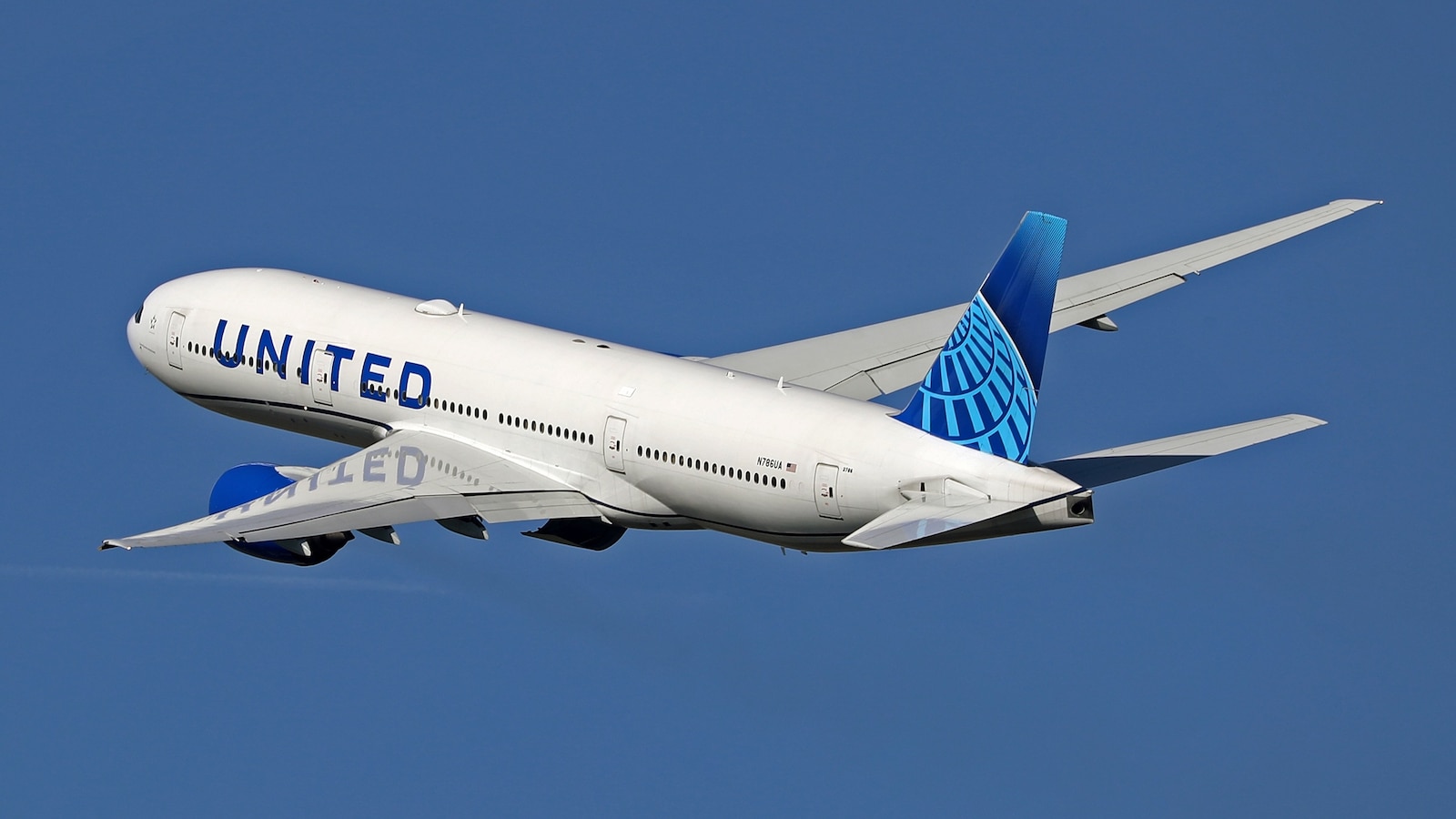

United Airlines Introduces Stricter Headphone Policy for Passenger Electronics
A New Era of In-Flight Audio Etiquette
In an effort to create a more peaceful flying experience for all travelers, United Airlines has recently implemented a comprehensive policy update that directly addresses one of the most common complaints among air passengers: unwanted noise from fellow travelers’ electronic devices. The Chicago-based carrier has officially revised its contract of carriage to make headphone use mandatory when passengers listen to audio or watch video content during flights. This policy change, which went into effect on February 27th, represents a significant shift in how airlines are managing the in-flight environment and passenger behavior. While it might seem like common courtesy to use headphones when consuming media in public spaces, the airline has now formalized this expectation into an enforceable rule with real consequences for those who choose to ignore it.
The update comes at a time when personal electronic devices have become virtually ubiquitous in air travel, and with the expansion of in-flight Wi-Fi services like Starlink, more passengers than ever are streaming videos, playing games, listening to music, and consuming various forms of digital entertainment throughout their journeys. What was once a minor inconvenience—the occasional passenger playing their device too loudly—has apparently become frequent enough to warrant official policy intervention. United Airlines’ decision to codify headphone requirements reflects a broader recognition that maintaining a comfortable cabin environment requires more than just suggestions; it needs clear rules that can be consistently enforced across all flights.
The Policy Details and Potential Consequences
United Airlines has not taken this policy update lightly, and the consequences for non-compliance are surprisingly serious. According to the newly revised contract of carriage, the airline reserves the right to take several escalating actions against passengers who refuse to use headphones while consuming audio or video content. These measures range from initially refusing to transport the passenger before the flight departs, to removing someone from an aircraft if the issue arises during the flight, and in the most extreme cases, permanently banning customers who repeatedly or flagrantly violate this policy. The airline has made it clear that this is not merely a suggestion or request, but rather an enforceable requirement with teeth behind it.
Interestingly, the policy does include a provision that passengers who are removed from a flight due to headphone policy violations might be eligible for a refund, though the specific circumstances under which refunds would be granted remain somewhat unclear. The official language on United’s website is unambiguous about the airline’s authority in these matters, stating that “UA has the right to refuse transport, on a permanent basis, any passenger who engages in any of the activities in this Rule.” This strong language suggests that United is prepared to take firm action when necessary, though one would imagine that in most cases, a simple reminder to use headphones would resolve the issue before more serious consequences become necessary.
To help passengers comply with this policy, United has taken steps to make headphones more accessible. On flights equipped with seatback entertainment systems, the airline offers complimentary plug-in headphones to customers, ensuring that passengers who may have forgotten their own headphones aren’t automatically in violation of the policy. This thoughtful approach demonstrates that the airline’s primary goal is compliance and passenger comfort rather than punitive enforcement, though the option for serious consequences remains available when needed.
United’s Explanation and Context for the Change
When asked about the reasoning behind this policy update, United Airlines provided a statement to ABC News that shed light on their thinking. According to the airline, encouraging headphone use has always been part of their approach to passenger comfort, and their existing Wi-Fi usage guidelines already included reminders for customers to use headphones. However, with the significant expansion of Starlink satellite internet service on their aircraft, which provides faster and more reliable connectivity to more passengers than ever before, the airline felt it was an appropriate time to make this expectation more explicit and enforceable by adding it to the official contract of carriage.
The timing of this policy change is particularly noteworthy because it coincides with a genuine transformation in the in-flight entertainment landscape. As internet connectivity becomes more robust and affordable on airplanes, passengers are increasingly streaming their own content rather than relying solely on the airline’s provided entertainment options. This shift means that more people are watching videos, listening to music, participating in video calls, and engaging with multimedia content throughout their flights. While this technological progress has enhanced the flying experience in many ways, it has also created new opportunities for one passenger’s entertainment to become another passenger’s annoyance, particularly when headphones aren’t being used.
By formalizing the headphone requirement in the contract of carriage rather than leaving it as an informal courtesy or suggestion, United has given its flight attendants and ground staff clear authority to address noise issues before they escalate into more serious conflicts between passengers. This proactive approach may actually help prevent confrontations and improve the overall atmosphere on flights by establishing clear expectations from the outset.
Industry-Wide Approaches to Audio Etiquette
United Airlines is far from alone in recognizing the importance of headphone use for maintaining a pleasant cabin environment. Several other major U.S. carriers have implemented similar policies, though they vary somewhat in their specific requirements and enforcement approaches. Southwest Airlines, for instance, has taken an even more explicit stance on the issue, with language on their website that clearly states passengers are required to use headphones whenever listening to any audio content. Southwest notes that they do not have seatback screens or offer devices for rent, nor do they sell headphones onboard, which places the responsibility squarely on passengers to bring their own headphones or earbuds if they plan to consume any audio content during their flight.
Delta Air Lines has taken a slightly softer approach, choosing to strongly encourage rather than strictly require headphone use. Their website asks passengers to use “earbuds or headphones with any personal electronic device during your flight” for the comfort of everyone around them. This language frames headphone use as a courtesy to fellow passengers rather than an absolute requirement, though one imagines that Delta flight attendants would still intervene if a passenger’s device was creating a disturbance for others. The variation in how different airlines approach this issue reflects different corporate philosophies regarding passenger management—some prefer strict rules with clear enforcement mechanisms, while others opt for softer guidance that appeals to passengers’ better nature and consideration for others.
These varying approaches across the industry suggest that while airlines universally recognize the problem of noisy electronic devices, they haven’t yet reached a consensus on the best way to address it. United’s decision to formalize the requirement in their contract of carriage may represent a trend toward more explicit policies, particularly as in-flight connectivity continues to improve and more passengers engage with audio and video content during their journeys.
The Broader Context of In-Flight Behavior Management
This headphone policy update is part of a broader trend in the airline industry toward more clearly defined and strictly enforced rules governing passenger behavior. In recent years, airlines have dealt with a significant increase in disruptive passenger incidents, ranging from relatively minor annoyances like loud conversations or electronic devices to much more serious issues involving aggressive behavior, refusal to comply with crew instructions, and even physical altercations. While requiring headphone use might seem like a small matter compared to these more serious behavioral issues, it represents the same underlying principle: establishing clear expectations and giving crew members the authority to enforce them.
From the airline’s perspective, addressing smaller issues like audio etiquette before they become sources of friction between passengers is actually an important part of maintaining order and preventing more serious conflicts. A passenger who feels annoyed by someone else’s noisy device might initially suffer in silence, but that irritation can build over the course of a flight and potentially lead to a confrontation. By establishing a clear policy and giving flight attendants the authority to enforce it from the beginning of the flight, United is essentially trying to prevent these situations from arising in the first place. This proactive approach to passenger management reflects lessons learned from the challenging period during and after the pandemic, when flight crews faced unprecedented levels of conflict and disruption.
Looking Forward: What This Means for Travelers
For the millions of passengers who fly United Airlines each year, this policy change will likely have minimal impact on their travel experience, particularly for those who already use headphones as a matter of course. Most travelers instinctively understand that playing audio or video content without headphones in a confined public space is inconsiderate, and they come prepared with their own earbuds or headphones. For these conscientious passengers, the policy simply formalizes what they were already doing. However, for the minority of travelers who might not have previously given much thought to how their device usage affects others, this policy serves as a clear wake-up call that such behavior is not acceptable and will have consequences.
As airlines continue to enhance their in-flight connectivity and entertainment options, policies like this one will likely become more common across the industry. The days of being disconnected from the internet and entertainment during flights are rapidly disappearing, replaced by an environment where passengers can stream, browse, and communicate almost as freely as they do on the ground. While these technological advances have made flying more enjoyable for many, they also require new norms and rules to ensure that one person’s entertainment doesn’t become another person’s annoyance. United’s headphone policy represents an adaptation to this new reality—a recognition that as our in-flight technology evolves, so too must the rules and expectations that govern how we use it in the shared space of an aircraft cabin.