


Newark Airport Shuts Down After JetBlue Emergency Landing
Major Disruption at One of Nation’s Busiest Airports
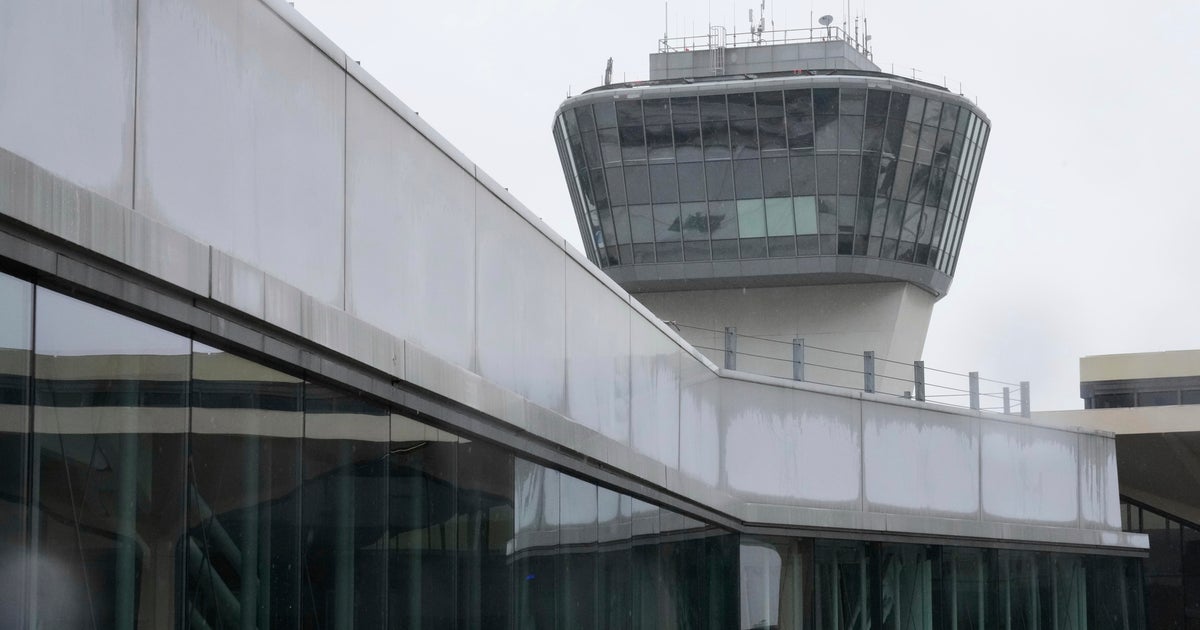
Newark Liberty International Airport, one of the tristate area’s busiest transportation hubs, faced a complete shutdown Wednesday evening following a frightening mid-flight emergency. The airport ceased all operations until 11 p.m. that night after federal aviation authorities issued a ground stop—a measure that essentially freezes all aircraft movement both in the air and on the ground. The dramatic closure affected thousands of travelers during what would normally be a bustling evening of arrivals and departures, creating ripple effects throughout the nation’s air travel system.
The emergency that triggered this extensive shutdown involved a JetBlue aircraft that was headed to sunny Palm Beach, Florida, presumably carrying vacationers and business travelers looking forward to their destination. Instead, their routine flight turned into a passenger’s worst nightmare when the flight crew detected smoke inside the cockpit—one of the most serious emergencies that can occur during flight. According to the Federal Aviation Administration, which oversees all commercial aviation safety in the United States, the pilots made the critical decision to immediately return to Newark rather than continue their journey or attempt to reach an alternate airport.
Emergency Evacuation Unfolds on Newark Tarmac
When the JetBlue flight touched down at Newark, the situation required immediate action. Rather than taxiing to a gate for a normal deplaning process, the crew determined that the smoke situation warranted an emergency evacuation. Passengers were evacuated from the aircraft using the plane’s emergency slides—those inflatable chutes that we’ve all seen demonstrated during pre-flight safety briefings but hope never to actually use. The deployment of emergency slides is never taken lightly, as it indicates the crew believed there was potential danger to passengers and that every second counted in getting everyone off the aircraft.
While emergency slide evacuations can be jarring and occasionally result in minor injuries as passengers rapidly exit the plane, they represent standard protocol when flight crews determine that the threat level requires the fastest possible evacuation. These slides deploy within seconds and allow passengers to exit the aircraft at a much faster rate than using stairs or jet bridges. The fact that the crew opted for this method of evacuation underscores the seriousness with which they viewed the smoke situation aboard the aircraft.
Airport Operations Grind to a Halt
The decision to implement a ground stop affecting the entire airport wasn’t made lightly. Such measures are reserved for the most serious situations where safety concerns require clearing airspace and halting all movements. During a ground stop, planes already in the air and heading to Newark would have been diverted to alternate airports, while aircraft scheduled to depart Newark remained at their gates with passengers aboard or waiting in terminals. The cascading effects of such a shutdown are enormous—missed connections, delayed baggage, stranded travelers, and disrupted schedules that can take days to fully resolve.
Newark Liberty International is a critical component of the New York metropolitan area’s aviation infrastructure, serving millions of passengers annually and operating as a major hub for United Airlines and a significant operation point for many other carriers, including JetBlue. When an airport of this magnitude shuts down, even for a few hours, the impact reverberates throughout the entire national air transportation system. Flights originating from other cities destined for Newark must be rerouted, which then affects airport capacity at those alternate locations, creating a domino effect that air traffic controllers and airline operations centers must carefully manage.
Limited Information Leaves Questions Unanswered
As of the initial reports, specific details about what caused the smoke in the cockpit remained unclear. Aviation authorities and the airline had not yet released comprehensive information about the nature of the emergency, how many passengers were aboard the aircraft, whether anyone sustained injuries during the evacuation, or what exactly caused the smoke that prompted such dramatic action. These details typically emerge in the hours and days following such incidents as investigators begin their work and airlines complete their initial assessments.
Cockpit smoke can stem from various sources—electrical malfunctions, overheating equipment, issues with the aircraft’s environmental systems, or in rare cases, actual fire. Regardless of the source, smoke in the cockpit is treated as an extremely serious emergency because it can quickly incapacitate the flight crew, compromise their ability to see instruments and controls, and potentially indicate a fire that could threaten the structural integrity of the aircraft. Pilots train extensively for such scenarios, and their procedures call for immediate action, including donning oxygen masks, running emergency checklists, and getting the aircraft on the ground as quickly as safely possible.
Moving Forward and the Bigger Picture
The professional response by the JetBlue crew in this incident highlights the extensive training and preparation that commercial pilots and flight attendants undergo to handle emergency situations. From the moment smoke was detected, the crew would have followed established protocols—alerting air traffic control, declaring an emergency, running appropriate checklists, preparing the cabin for an emergency landing, and ultimately executing the evacuation. These procedures exist because of decades of aviation safety research and, unfortunately, lessons learned from past incidents.
For the passengers involved, this experience undoubtedly provided an unwelcome dose of adrenaline and anxiety. What began as an ordinary flight to Florida transformed into an emergency that required them to evacuate down inflatable slides, likely leaving their belongings behind and facing an uncertain wait for information and rebooking. For the countless other travelers affected by the airport’s closure, the incident served as a reminder of how quickly air travel plans can change and how one aircraft emergency can impact thousands of people across the aviation network. As Newark Liberty International worked to resume normal operations after the 11 p.m. deadline, airlines faced the complex task of recovering their schedules, rebooking passengers, and repositioning aircraft and crews that had been displaced by the shutdown. While such incidents are relatively rare in modern commercial aviation—a testament to the industry’s strong safety record—they remind us that air travel, despite being statistically very safe, still carries inherent risks that require constant vigilance, well-trained professionals, and robust emergency procedures to protect the traveling public.