

Las Vegas Illegal Biolab Investigation: What We Know About the Disturbing Discovery
A Cleaning Employee’s Shocking Discovery Leads to Major Investigation
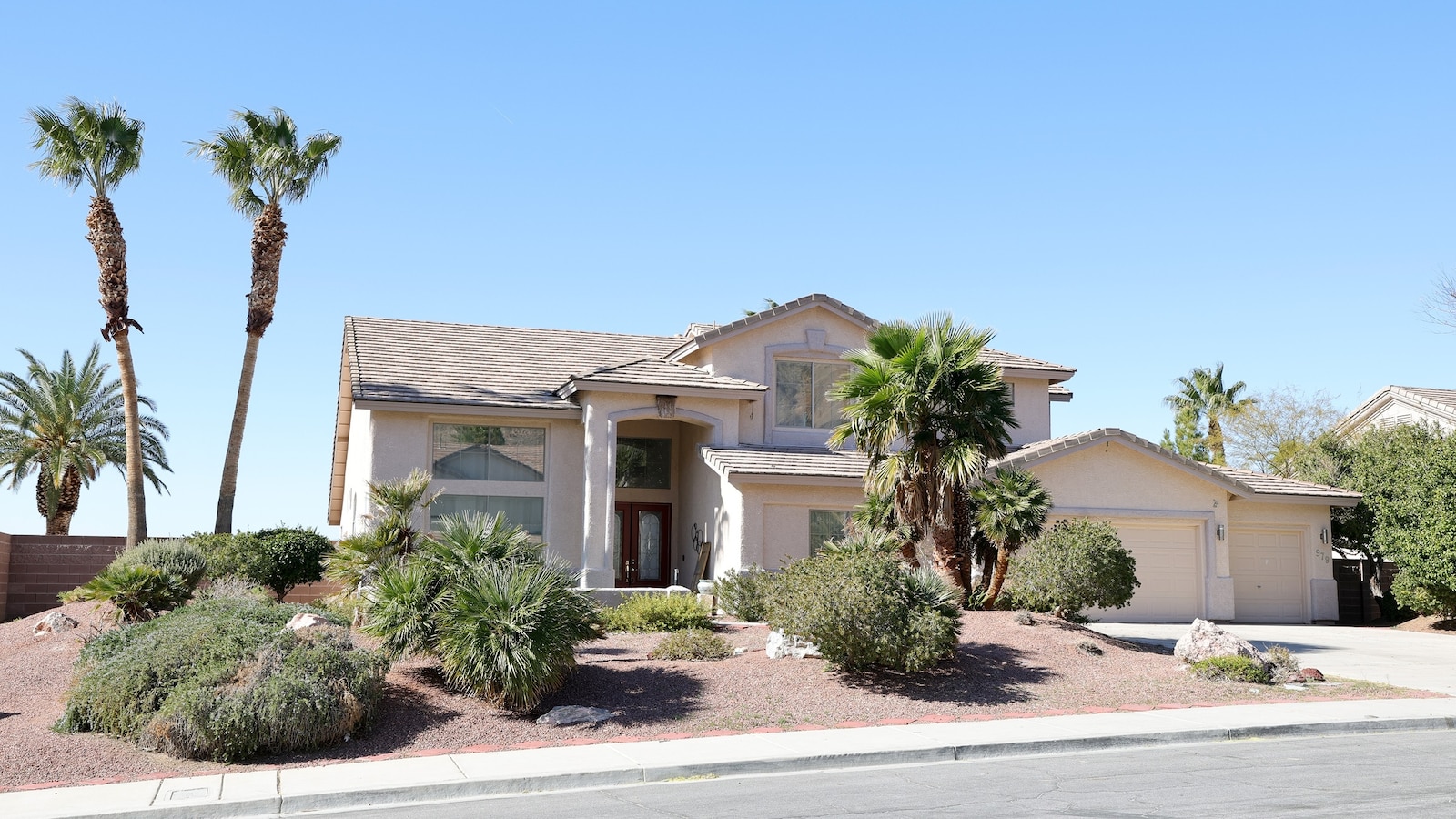
In a case that sounds like something out of a thriller novel, a Las Vegas home suspected of housing an illegal biological laboratory has become the center of a major criminal investigation after a cleaning employee came forward with alarming information. The employee, identified in court documents only as “Kelly” for her protection, reached out to authorities in early 2026 with disturbing details about what she discovered while working at a seemingly ordinary residence that was being rented out room-by-room through popular vacation rental websites like Airbnb. Her testimony, detailed in newly released court documents filed with the Las Vegas Justice Court, paints a picture of a clandestine operation that allegedly made numerous people severely ill and represents a significant public health threat.
Kelly had been hired by the property manager, Ori Solomon (also known as Ori Salomon), to perform regular cleaning services at the home. What started as routine housekeeping work turned into a nightmare when she gained access to the garage, which was typically kept locked. Inside, she found what appeared to be a makeshift biological laboratory complete with multiple refrigerators and freezers, glass beakers containing reddish liquid, a biological safety cabinet, and what she believed to be a centrifuge—equipment that would be completely out of place in a normal residential garage. Perhaps most unsettling was the smell she described, which reminded her of a hospital, but not in a clean, sterile way. Instead, she characterized it as having a foul, stale, stagnant odor that immediately raised red flags. Following a weekend raid at the property, Solomon now faces both state and federal charges, including felony disposal and discharge of hazardous waste in an unauthorized manner, as well as visa violations related to firearm possession.
A Pattern of Mysterious Illnesses Among Those Exposed to the Garage
The most disturbing aspect of Kelly’s testimony involves the health consequences experienced by people who spent time in or near the garage where the alleged biolab equipment was stored. Kelly told investigators that she became “deathly ill” approximately five days after entering the garage in April 2025. Her symptoms were severe and debilitating: she experienced significant breathing issues, overwhelming fatigue to the point where she “could not get out of bed,” and persistent muscle aches. These weren’t minor complaints—they were serious health problems that interfered with her ability to function normally.
Even more concerning, Kelly wasn’t the only person affected. Solomon’s handyman experienced identical symptoms after entering the garage, and he also believed that exposure to whatever was in that space was responsible for making them both sick. According to Kelly’s account, even Solomon’s own wife fell ill after going into the garage, suggesting that whatever hazardous materials or biological agents were present posed a real and immediate danger to anyone who came into contact with them. The pattern of illness extended beyond just the people who worked at the property. Kelly reported that many people who had lived inside the house as short-term renters also became sick, with one woman ending up hospitalized with severe respiratory issues. Kelly also mentioned an unusual detail that added to the ominous atmosphere: while cleaning the house, she frequently found many dead crickets in the master bedroom, something she found “super uncommon” despite having lived in Las Vegas for numerous years and never encountering anything similar before. This odd detail, while seemingly minor, may be significant to investigators trying to understand what exactly was being stored or cultivated in the makeshift laboratory.
The Investigation and Connection to a Previous California Case
Following Kelly’s tip to authorities, police and FBI agents conducted an extensive operation over the weekend, spending both Saturday and Sunday carefully removing equipment and materials from the garage. The substances collected were deemed serious enough that they were transported to a secure laboratory facility on the East Coast for comprehensive testing. As of the release of the court documents, the results of those tests had not yet been made public, leaving many questions unanswered about the exact nature of the materials found and the potential danger they posed to the community.
Authorities have stated they believe the Las Vegas property “is being used to house the biolab equipment” along with potential viruses and “biological substances.” Kelly’s description of the refrigerators she saw—noting that they “were not medical grade ones but ones you would find in a normal home”—caught investigators’ attention because this detail matched equipment used in a previous, strikingly similar case. In 2023, officials in Reedley, California, discovered what they characterized as an illegal bio lab operating out of a warehouse. That facility allegedly contained unauthorized biological agents, including samples of possible infectious diseases, along with misbranded medical devices and test kits. The alleged operator of that California facility, a Chinese national, was arrested in 2023 and remains in federal custody awaiting trial, having pleaded not guilty to the charges against him.
The connection between the Las Vegas case and the California case goes far beyond superficial similarities in equipment. According to the arrest report, Solomon had “direct knowledge of the biolab being owned and operated by” the Reedley bio lab’s operator, and the two men had been in “constant communication” since the California operator’s 2023 arrest. Even while incarcerated, the California operator maintained extensive contact with Solomon—more than 460 phone calls in the past year alone, according to investigators. The report alleges that Solomon “is known to execute the business dealings for” the imprisoned operator and would then transfer funds to that operator’s wife and business partner, who had reportedly fled to China to avoid federal indictment. Kelly told police she believes Solomon remains in daily contact with the incarcerated operator because “he calls him every day to check on the residences.” She also allegedly warned investigators that if they contacted Solomon directly before conducting their raid, “he would have the lab moved out of the garage immediately,” which explains why authorities moved swiftly and without warning when they executed their search warrant.
Hazardous Materials Found at the Property Endangered Lives
Beyond the biological laboratory equipment, investigators discovered additional hazardous materials that posed immediate threats to anyone living in or visiting the property. Four bottles of hydrochloric acid were found in what the report describes as “an apparently abandoned and open box, stored haphazardly on an open shelf.” This chemical, which can “cause substantial permanent injuries to the human body if exposed to the skin, inhaled or ingested,” was neither secure nor stored in any manner that would prevent inadvertent exposure or ingestion.
The arrest report emphasized the serious danger this posed: “As a result, the failure to properly dispose of these chemicals imperiled the lives of anyone in or near the garage.” The report further noted that hydrochloric acid is volatile when airborne and can cause respiratory injury if inhaled—a particularly alarming fact given that the house was “additionally being used as a short term rental property with multiple occupants, including an elderly male living mere yards away from the entry to that garage.” The presence of such dangerous chemicals in a residential setting, especially one where unsuspecting renters were coming and going, represents a reckless endangerment of public safety that authorities take extremely seriously.
The Hidden Danger in Short-Term Rental Properties
This case highlights a disturbing vulnerability in the increasingly popular short-term rental market. The house in question wasn’t an isolated facility or a commercial building where suspicious activity might be more easily noticed—it was an ordinary-looking residence listed on mainstream vacation rental platforms, where rooms were rented out to unsuspecting travelers. At the time of the raid, three people who had rented rooms in the house were safely removed from the residence. Authorities have stated these individuals are not involved in the investigation and are considered victims rather than suspects in the case.
The use of a short-term rental property for allegedly housing illegal biological materials raises serious questions about oversight and safety in the vacation rental industry. How could such an operation go undetected while guests were regularly coming and going? What responsibility do rental platforms have to ensure properties listed on their sites aren’t being used for illegal or dangerous purposes? And how many other renters might have been exposed to hazardous materials without ever knowing it? The fact that multiple residents reportedly became ill, with at least one requiring hospitalization for severe respiratory issues, suggests that an unknown number of people may have been put at risk without their knowledge or consent. For travelers who use vacation rental services, this case serves as an unsettling reminder that the homes they rent may not be as thoroughly vetted or as safe as they assume. While most properties are exactly what they appear to be—someone’s home or investment property being rented out for extra income—this case demonstrates that dangerous exceptions can and do occur.
Ongoing Investigation and What Comes Next
As the investigation continues, many questions remain unanswered. The full results of the testing being conducted on the materials removed from the property have not been released, leaving the public in the dark about the exact nature and danger level of the substances that were allegedly being stored in a residential neighborhood. Were these materials infectious agents that could have caused an outbreak? Were they being used for legitimate research that was simply being conducted in an inappropriate and unsafe location? Or was something more sinister at work?
Ori Solomon now faces serious legal consequences for his alleged role in this operation. The charges against him include both state-level felony counts related to the improper disposal and discharge of hazardous waste and federal charges related to visa violations and illegal firearm possession. As investigators continue to piece together the full scope of the operation, additional charges could potentially be filed. The case also raises broader concerns about potential networks of similar operations and whether the connection to the previously discovered California biolab represents an isolated relationship or part of a larger pattern. Federal authorities will be particularly interested in the alleged financial transactions between Solomon and the wife and business partner of the incarcerated California operator, following the money trail to understand the full extent of the operation. For now, the neighborhood where the house is located can breathe a bit easier knowing the alleged illegal laboratory has been shut down and the hazardous materials removed. But the case serves as a stark reminder that dangers can lurk in the most unexpected places, and that vigilant citizens like “Kelly” play a crucial role in protecting public health and safety by speaking up when they encounter something that doesn’t seem right.