
The Homeland Security Watchdog Showdown That Preceded Kristi Noem’s Firing
A Brewing Storm Behind Closed Doors
In the weeks leading up to President Trump’s decision to dismiss Homeland Security Secretary Kristi Noem, a fierce bureaucratic battle was intensifying between her department and its own internal oversight body. What had been simmering tensions over access to sensitive records and communications with Congress suddenly exploded into the public sphere during a contentious Senate hearing. Senior Republican senators didn’t hold back, delivering a blistering critique of Noem’s handling of the situation. At the heart of this controversy lies a troubling question: Was the Department of Homeland Security actively working to suppress oversight of a classified report examining serious vulnerabilities in airport security screening? The dispute has raised alarm bells among lawmakers from both parties who see it as a potentially dangerous precedent that could undermine the independence of inspectors general across the federal government. What started as a disagreement over a single classified report has mushroomed into a full-blown constitutional crisis about transparency, accountability, and whether executive agencies can effectively police themselves.
Republican Senators Turn on Their Own
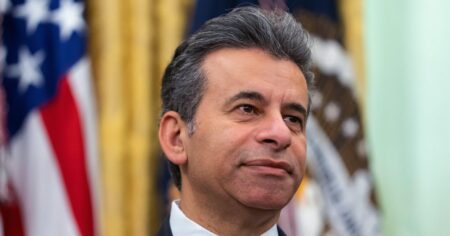
The Senate hearing on Tuesday became a pivotal moment when GOP Senator Chuck Grassley of Iowa confronted Secretary Noem directly about allegations that her department had issued directives designed to silence its own watchdog. Grassley, a legendary figure in congressional oversight circles, didn’t mince words as he grilled Noem about a memo that allegedly prohibited DHS Inspector General Joseph Cuffari from discussing a classified report with certain congressional committees. The report in question involves undercover testing of Transportation Security Administration checkpoint procedures—the kind of covert audits that have historically exposed critical security gaps at America’s airports. Grassley revealed that not only was the inspector general being stonewalled, but the Government Accountability Office, Congress’s own investigative arm, was also being denied access to both the report and TSA personnel who could shed light on its findings. Senator Thom Tillis of North Carolina perhaps delivered the most damning assessment when he asked rhetorically how bad the findings must be for an inspector general to go public with such complaints. His implication was clear: inspectors general typically work quietly behind the scenes, and when they break protocol to sound the alarm publicly, it usually means something is seriously wrong. The spectacle of senior Republicans turning on a cabinet secretary from their own party’s administration underscored just how serious this breach of normal oversight procedures had become.
A Democratic Senator Launches a Formal Investigation
The heated hearing triggered an immediate response from Senator Gary Peters of Michigan, the ranking Democrat on the Senate Homeland Security and Governmental Affairs Committee, who announced he was opening a formal investigation into whether DHS had improperly interfered with its watchdog’s ability to communicate with Congress. In a March 4 letter to DHS General Counsel James Percival, Peters made clear the committee would be examining “potential obstruction of communications by the Inspector General to Congress.” The investigation would also delve into Cuffari’s broader allegations that the department has “systematically obstructed” his office’s work across multiple fronts. Particularly alarming to Peters was a warning that Percival had apparently issued to Cuffari, suggesting that notifying Congress about access problems could constitute “bad faith and bordering on a material misrepresentation.” In his letter, Peters bluntly declared this threat “unacceptable,” framing it as an attack on the fundamental relationship between independent watchdogs and the legislative branch. The constitutional implications are significant: inspectors general exist precisely to provide Congress with independent assessments of how executive agencies are functioning, and any attempt to interfere with that communication strikes at the heart of congressional oversight authority.
The Shoe Policy That Started It All
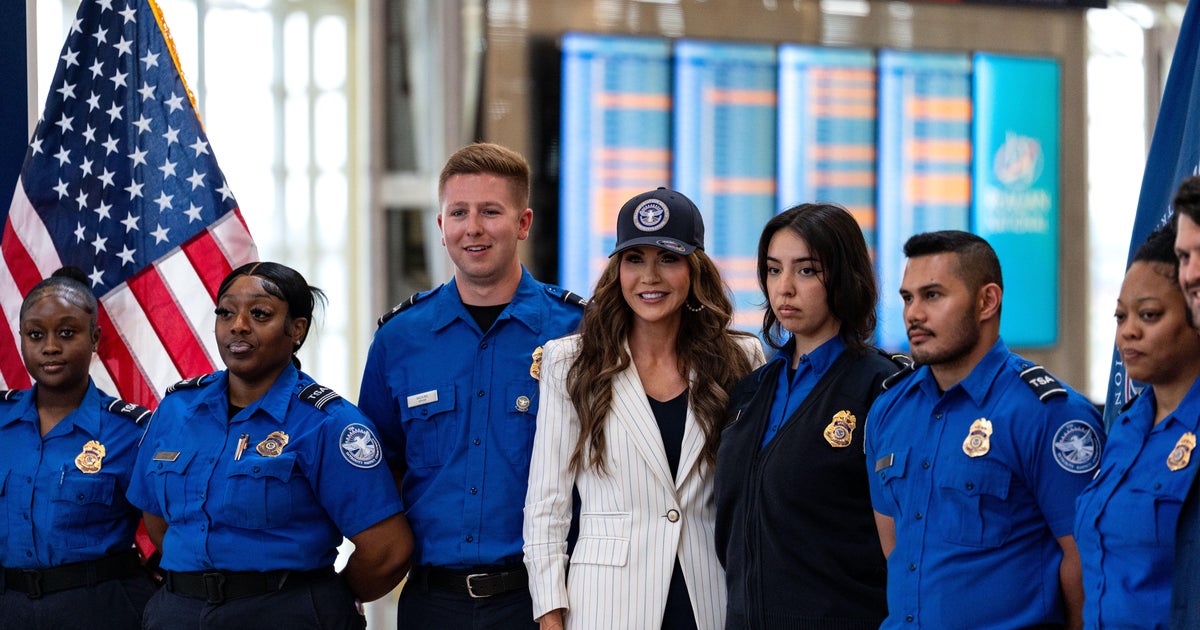
At the center of this controversy sits a seemingly mundane policy change that may have opened up serious security vulnerabilities at American airports. The classified report that sparked this entire dispute was completed by the inspector general late last year following covert “red team” testing of TSA checkpoint screening. This testing came after TSA announced a policy reversal allowing travelers to keep their shoes on during security screening—ending a requirement that had been in place since 2006, when the so-called “shoe bomber” attempted to blow up a transatlantic flight. The July 8, 2025 announcement was initially greeted with enthusiasm by travelers tired of the indignity and inconvenience of removing footwear in security lines. However, according to sources familiar with the situation, TSA was not directly consulted before this policy change was announced, raising questions about whose decision it actually was and what analysis supported it. The red team testing that followed—involving undercover auditors attempting to smuggle simulated prohibited items through airport checkpoints—apparently revealed serious concerns about the wisdom of this policy reversal. Under normal procedures, DHS had 90 days to respond with a corrective action plan, but that deadline appears to have come and gone without resolution, suggesting the department may be avoiding confronting uncomfortable findings about a policy decision that came from higher up the political chain.
Systematic Obstruction Across Multiple Fronts
What began as a dispute over a single classified report has evolved into something far more sweeping and troubling. In a March 2 letter to Congress, Inspector General Cuffari laid out a comprehensive case that DHS has “systematically obstructed” his office’s work across numerous investigations. He described a pattern of denied or delayed access to databases and classified information that his auditors need to conduct independent oversight. The list of systems and databases that DHS allegedly blocked access to reads like a who’s who of critical homeland security information: BorderStat, which tracks real-time border crossing data; TECS, the system used to monitor how border officers inspect travelers; Secure Flight, TSA’s passenger screening system; and a classified intelligence program relevant to the investigation of the July 2024 assassination attempt against then-former President Trump. Cuffari also accused the department of creating a byzantine new bureaucratic framework requiring his office to justify every information request through what he called “a manufactured and confusing framework involving six distinct variables” that has no basis in the Inspector General Act. This matters because the Inspector General Act traditionally grants federal watchdogs broad authority to access agency records unless an agency formally invokes specific national security provisions—a rare and serious step that requires congressional notification. According to Cuffari, DHS hasn’t formally invoked these provisions but is instead achieving the same result through bureaucratic obstruction.
The Broader Implications for Government Accountability
Former federal officials who oversaw previous covert testing of TSA procedures told CBS News that what’s being described in these letters represents a dramatic and dangerous departure from how oversight has traditionally functioned. They were particularly shocked to learn that DHS lawyers—rather than the inspector general’s office—had briefed members of Congress on the classified report, calling this practice “completely inappropriate.” As one official explained, these reports are exactly the kind of thing inspectors general are supposed to explain directly to Congress, without political appointees serving as intermediaries who might spin or downplay the findings. The historical record shows why this matters: in 2015, covert red team testing by the DHS inspector general revealed that TSA screeners failed to detect mock weapons or explosives in the vast majority of attempts at 15 airports. When those findings leaked publicly, then-Homeland Security Secretary Jeh Johnson ordered sweeping reforms, including mass retraining of TSA officers and a complete overhaul of screening procedures. Would those reforms have happened if DHS political appointees had been able to suppress or sanitize the inspector general’s report? The current dispute suggests that’s exactly what today’s DHS leadership was attempting to do. In response to the controversy, a DHS spokesperson issued a statement expressing confidence in the department’s “multilayered security approach” and noting that TSA has conducted over 1,000 red team tests in the past year—but notably, the statement didn’t address the access issues or the allegations of obstruction. As this scandal continues to unfold in the wake of Noem’s firing, it raises fundamental questions about whether the guardrails of accountability in the federal government are holding or whether they’re being systematically dismantled by officials who prefer to operate without independent scrutiny.