

Southern States Battle Dual Crisis: Power Outages and Water Safety Concerns
A Winter Storm’s Devastating Aftermath
The American South is grappling with a crisis that has left tens of thousands of families in desperate circumstances following a severe winter storm. What began as a historic weather event has evolved into a prolonged emergency, with over 36,000 homes and businesses in Mississippi alone entering their second week without electricity. The combination of heavy snow and ice has wreaked havoc on the region’s infrastructure, tearing down power lines and creating dangerous conditions that have made some communities nearly impossible to reach. For residents accustomed to milder winters, this extended period of freezing temperatures without modern conveniences has become a test of endurance and community resilience. Families are being forced to make difficult decisions about how to stay warm, how to access clean drinking water, and how to care for vulnerable family members in conditions that were once unimaginable in their communities.
The situation has become particularly dire because power outages aren’t occurring in isolation—they’re happening simultaneously with boil-water advisories across the region. This creates an impossible situation for many families: they’re being told their water isn’t safe to drink without boiling, but they have no electricity to boil it with. This dual crisis has left communities scrambling for bottled water while trying to keep warm in homes that are growing colder by the day. The infrastructure damage extends far beyond inconvenience; it represents a genuine threat to public health and safety that is testing the limits of emergency response systems throughout the South.
Life Without Power: Stories from the Front Lines
In small towns like Gravestown, Mississippi, the reality of this crisis becomes deeply personal. Volunteer firefighters have transformed into lifelines for their communities, conducting door-to-door wellness checks and delivering essential supplies to neighbors who have been cut off from the outside world for days. These dedicated volunteers are distributing bottled water and checking on elderly residents, young families, and anyone who might be struggling to survive in these harsh conditions. Their efforts represent the best of community spirit, but they also highlight the severity of the situation—when emergency responders must personally visit each home to ensure residents are still alive and have basic necessities, the crisis has reached a critical point.
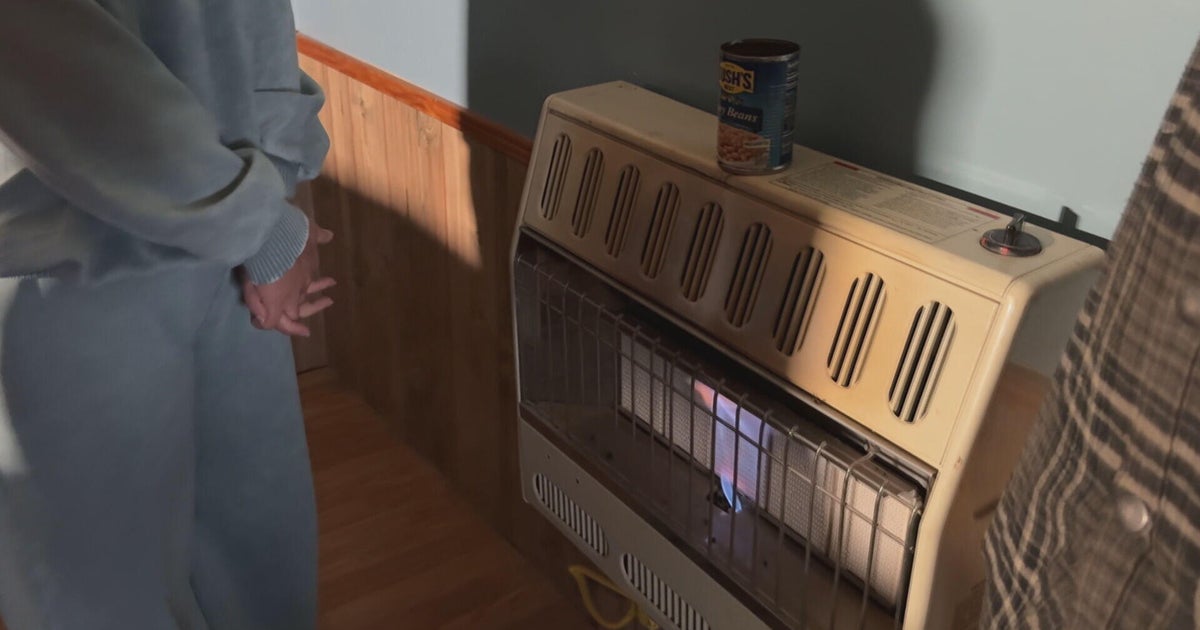
James and Heather Albertson’s experience illustrates what thousands of families are enduring across the region. The couple, along with their daughter and 4-year-old granddaughter, huddle together around a gas heater in their home, trying desperately to stay warm as temperatures remain below freezing. Their situation is precarious—gas heaters can pose carbon monoxide risks, and the cost of fuel adds financial strain to families already struggling. When Heather Albertson was asked if they could hold out for another ten days without power, her response was both resigned and defiant: “We don’t have a choice.” This simple statement captures the reality for thousands of Southern families who never expected to find themselves in a situation more commonly associated with developing nations or war zones than with 21st-century America.
The Long Road to Recovery and Restoration
The sustained cold snap that continues to grip the region has created additional complications for repair crews working to restore power. Utility workers are facing dangerous conditions as they attempt to repair damaged power lines and replace broken utility poles. Ice continues to weigh down trees and power lines, creating hazards that can bring down newly repaired infrastructure. The freezing temperatures make the physical work more difficult and dangerous, slowing progress that is already hampered by the sheer scale of the damage. Officials are now estimating that it could take another ten days—or possibly longer—to restore electricity to some of the hardest-hit areas, meaning that some families could be without power for nearly three weeks total.
Recognizing the severity of the situation, the Federal Emergency Management Agency has deployed ninety generators to Mississippi since the weekend storm struck. These generators represent a crucial stopgap measure, but the logistics of deploying them reveal the crisis’s complexity. Subcontractors hired by the U.S. Army Corps of Engineers are working to install these generators at the most critical locations—long-term care facilities where vulnerable elderly residents depend on medical equipment, hospitals treating patients who cannot be moved, water treatment districts trying to maintain safe drinking water supplies, and fire departments that need to remain operational to respond to emergencies. While these generators provide essential relief to critical infrastructure, they do nothing for the thousands of individual families still sitting in cold, dark homes.
Beyond Mississippi: A Regional Emergency
The crisis extends far beyond Mississippi’s borders, affecting communities throughout the South. Nashville, Tennessee, experienced what officials are calling the largest power outage in the city’s recorded history, with more than 230,000 customers affected at the peak of the crisis. While many have had their power restored, thousands remain without electricity, prompting city leaders to take the unusual step of forming a commission to investigate Nashville Electric Service’s preparedness and response. The decision to launch this investigation reflects growing frustration among residents and elected officials who believe the utility company should have been better prepared for severe weather events.
Nashville City Council member Emily Benedict gave voice to this frustration, stating bluntly: “They should be prepared for this. This is not new to them. The public relies on them to be prepared for events like this.” Her comments highlight a critical question that extends beyond Nashville to utility companies throughout the region: in an era of increasingly severe and unpredictable weather events, are power companies adequately investing in infrastructure resilience and emergency preparedness? While winter storms of this magnitude are relatively rare in the South, they are not unprecedented, and climate scientists warn that extreme weather events of all types are likely to become more frequent in the coming years.
Infrastructure Challenges and Community Resilience
In northern Mississippi, the physical challenges facing repair crews illustrate why restoration is taking so long. Approximately 7,000 customers in this area remain without power, and crews working to restore service face obstacles that go beyond simply repairing lines. Downed trees block roads and driveways, making it impossible to reach some neighborhoods with repair equipment. In some cases, the damage is so extensive and widespread that crews must literally cut their way into communities before they can even begin assessing and repairing power infrastructure. Sarah Brooke Bishop, a spokesperson for the Northeast Mississippi Electric Power Association, explained the situation plainly: “Our crews are having to cut their way into some neighborhoods and some county roads to even be able to work on the power.”
This reality underscores a harsh truth about infrastructure vulnerability in areas where extreme winter weather is uncommon. Many Southern communities lack the equipment, experience, and infrastructure design features that are standard in regions that regularly experience severe winter weather. Trees that would be routinely trimmed away from power lines in northern states have been allowed to grow close to electrical infrastructure in the South because ice storms of this severity are rare. Roads that would be quickly cleared and salted in regions with winter maintenance budgets and equipment instead remain impassable, slowing every aspect of the recovery effort. The result is a recovery timeline that would be unthinkable in states better prepared for winter weather, leaving Southern families to endure conditions that test the limits of their endurance and their faith in the systems meant to serve them.
The extended power outages and water safety concerns affecting the American South serve as a stark reminder of how quickly modern life can be disrupted and how vulnerable our essential infrastructure remains to extreme weather events. As families like the Albertsons continue to wait for power restoration, huddled around gas heaters with no clear timeline for when normalcy will return, questions about preparedness, infrastructure investment, and climate adaptation grow more urgent with each passing day.