



NASA’s Artemis II Moon Mission: Navigating Technical Challenges on the Path to Lunar Exploration
Understanding the Hydrogen Leak That Halted the Countdown
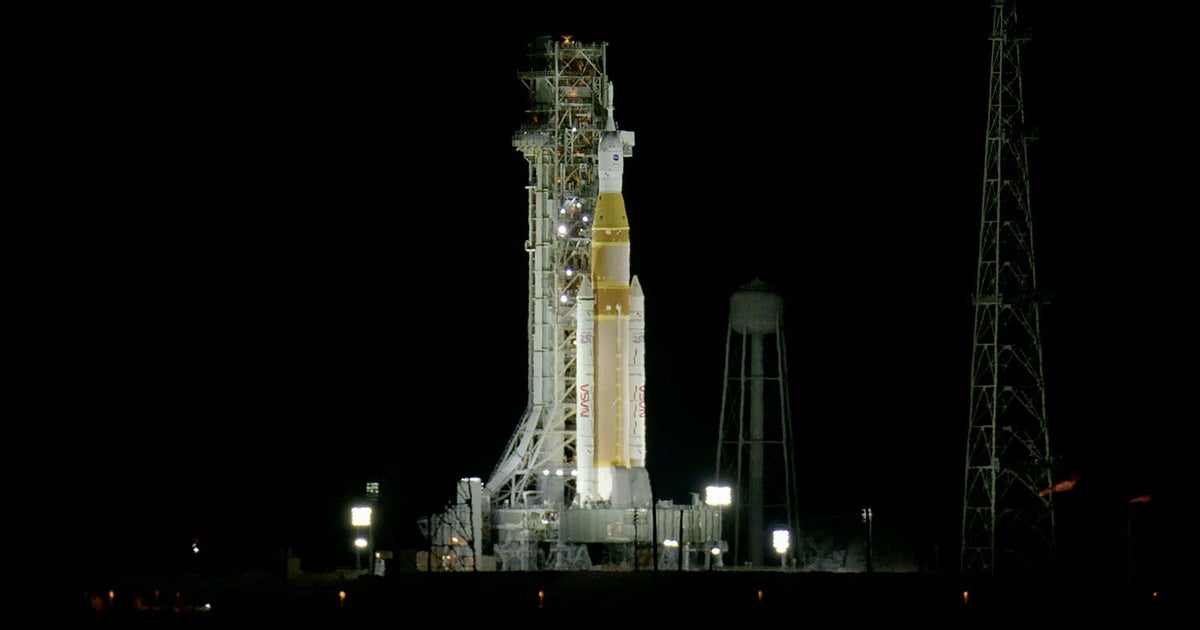
NASA’s ambitious Artemis II mission has hit a significant but not insurmountable roadblock. During an overnight dress rehearsal countdown for the massive moon rocket, a troublesome hydrogen fuel leak forced engineers to halt the test, pushing the historic mission that would send four astronauts around the moon from February into March at the earliest. The leak occurred at a critical connection point—an 8-inch-wide umbilical plate where hydrogen fuel lines enter the rocket’s base. This isn’t just any ordinary plumbing problem; it involves one of the most challenging substances to work with in aerospace engineering. Liquid hydrogen, cooled to a bone-chilling minus 423 degrees Fahrenheit, is notoriously difficult to contain because of its molecular structure—being the lightest element, it can slip through gaps so tiny they’re virtually invisible to the naked eye. Despite this setback, NASA officials remain optimistic, with senior manager Lori Glaze confirming that repairs can be conducted right at the launch pad rather than requiring the rocket to be rolled back to the Vehicle Assembly Building—a time-consuming process that plagued the Artemis I mission. The team did manage to fully load the Space Launch System with nearly 800,000 gallons of supercold propellants and brought the leak to acceptable levels by carefully adjusting flow rates and temperatures, demonstrating both the challenge and the possibility of resolution.
The Crew’s Resilient Response and Continued Preparation
The four astronauts selected for this groundbreaking mission—Commander Reid Wiseman, Victor Glover, Christina Koch, and Canadian astronaut Jeremy Hansen—have shown remarkable professionalism and patience in the face of these technical delays. After spending time in pre-flight medical quarantine at Johnson Space Center in Houston, the crew ended their isolation on Tuesday when it became clear that a February launch was no longer possible. Commander Wiseman’s response on social media captured the spirit of the entire team, expressing “immense pride” in seeing the rocket reach 100% fuel load despite the challenging circumstances, and acknowledging the “dangerous and unforgiving work” performed by the launch team. Rather than viewing the delay as a disappointment, the crew is treating it as an opportunity for additional preparation. Wiseman mentioned that after sharing a peaceful breakfast with their families, the crew would jump back into training to prepare for the rescheduled March launch window. This attitude reflects the reality of space exploration—that patience, flexibility, and rigorous preparation are just as important as courage and technical skill. The delay actually provides these pioneering astronauts with extra time to refine their procedures and build even greater confidence in the systems that will carry them on humanity’s first crewed journey to the moon in over half a century.
Learning from Artemis I: The Challenge of Hydrogen Management
The current situation isn’t entirely unexpected for those who followed the Artemis I campaign closely. During the preparation for that unpiloted test flight in 2022, NASA encountered multiple propellant leaks and other technical issues that delayed the launch by more than six months. Engineers had to conduct four separate “wet dress” rehearsal fueling tests, and the massive rocket was hauled back to the Vehicle Assembly Building three times for repairs before it finally launched successfully. This history provides both context and reassurance—these hydrogen leak issues, while frustrating, are familiar challenges that NASA has overcome before. The fundamental problem lies in the nature of liquid hydrogen itself: while it’s an incredibly powerful fuel that produces tremendous thrust when combined with oxygen in rocket engines, its extreme cold temperature and tiny molecular size make it exceptionally difficult to contain within the complex plumbing systems of a rocket. Testing and fixing these leaks presents its own challenges because the only way to truly verify a repair is to flow the cryogenic propellant through the system at the same flow rates and pressures that will be encountered on launch day—something that can only be done at the launch pad in a major operation. Mission Management Team Chairman John Honeycutt offered a philosophical perspective on the situation, noting that the test “gave us exactly what we needed” by allowing “the rocket to talk to us,” providing the team with crucial information about the system before asking the crew to fly.
The March Launch Window and Path Forward
With February now off the table, NASA is targeting a five-day launch window between March 6 and March 11 for the Artemis II mission. This timeline depends on successfully completing repairs at the pad and conducting at least one more fueling test to verify that the hydrogen leak has been properly addressed. The repair work itself involves extremely precise engineering—technicians must work with components that will be subjected to extreme temperatures and pressures, ensuring perfect seals where even microscopic imperfections can result in dangerous leaks. The fact that NASA believes the repairs can be completed at the pad rather than requiring the rocket to return to the Vehicle Assembly Building is significant, potentially saving weeks or even months in the schedule. However, space agencies have learned through hard experience that it’s better to take the time to get things right rather than rushing to meet an arbitrary deadline. The Space Launch System is only on its second flight and represents the most powerful operational rocket in the world—a masterpiece of engineering that deserves careful, methodical preparation. The additional time also allows for more thorough data analysis from the dress rehearsal test, potentially identifying other areas that might benefit from attention before the crew climbs aboard for their historic journey around the moon.
Meanwhile, Space Station Operations Continue
While Artemis II preparations continue, NASA has other pressing missions to manage. The delay of Artemis II to March actually clears the calendar for Crew 12 to launch to the International Space Station next week. This four-person crew—commander Jessica Meir, Jack Hathaway, European Space Agency astronaut Sophie Adenot, and Russian cosmonaut Andrey Fedyaev—is scheduled to lift off aboard a SpaceX Falcon 9 rocket at 6 a.m. EST on February 11. Their mission has taken on added urgency because they’re replacing Crew 11, which had to return to Earth ahead of schedule in January due to a medical issue with one of the crew members. This early return left only one U.S. astronaut, Chris Williams, aboard the space station. While Williams is fully trained to operate American station systems independently, having launched aboard a Russian Soyuz spacecraft in November, NASA prefers to have additional crew members available for normal research operations, emergency response, and conducting two-person spacewalks. However, Crew 12’s launch faces its own uncertainty following a Falcon 9 second stage anomaly during a Starlink satellite launch on Monday. Although the satellites were successfully deployed, the rocket’s second stage didn’t operate as expected, and SpaceX teams are reviewing data to determine the root cause before returning to flight. NASA is awaiting Federal Aviation Administration clearance before proceeding with the Crew 12 launch.
The Bigger Picture: Persistence in Space Exploration
These technical challenges and scheduling adjustments, while frustrating, represent the reality of pushing the boundaries of human space exploration. The Artemis program aims to establish a sustainable human presence on and around the moon, serving as a stepping stone for eventual missions to Mars. Every setback provides valuable lessons that make future missions safer and more reliable. The fact that NASA discovered and is addressing the hydrogen leak during ground testing rather than during an actual launch demonstrates the value of thorough preparation and testing. The engineers, technicians, and astronauts working on Artemis II are building on decades of spaceflight experience while also breaking new ground with modern technology and ambitious goals. The diversity of the crew—including the first woman and first person of color to travel to the moon, as well as the first Canadian on a lunar mission—reflects how space exploration has evolved to include broader participation from humanity. While the delay means waiting a bit longer for this historic achievement, it ensures that when Wiseman, Glover, Koch, and Hansen do launch, they’ll be riding a rocket that has been tested, repaired, and verified to the highest standards. Space exploration requires not just courage and technical brilliance, but also patience and the wisdom to know when to pause, assess, and perfect the systems that will carry humans safely to destinations beyond Earth. The March launch window represents not a failure, but a commitment to getting everything exactly right before embarking on one of humanity’s greatest adventures.