


Luigi Mangione Case: Death Penalty Removed as Legal Battle Intensifies
Major Ruling Eliminates Capital Punishment Possibility
In a significant development that has reshaped the legal landscape of one of the most closely watched criminal cases in recent memory, a federal judge has determined that Luigi Mangione will not face execution if convicted of murdering UnitedHealthcare CEO Brian Thompson. Judge Margaret Garnett delivered this crucial ruling on Friday, dismissing the federal firearms charges that had carried the possibility of capital punishment. However, the decision doesn’t mean Mangione is off the hook entirely—the stalking charges against the 27-year-old remain in place, and these alone could result in him spending the rest of his life behind bars without any chance of release. The ruling represents a pivotal moment in a case that has captured national attention since Thompson’s shocking death outside a Manhattan hotel in December 2024. Mangione has entered not guilty pleas to both the federal charges and separate state-level accusations related to the killing. The federal case is now scheduled to move forward with jury selection beginning September 8, followed by opening statements on October 13, though state prosecutors are pushing for an even earlier trial date, potentially as soon as July 1.
Defense Team Celebrates Victory While Supporters Rally
The courtroom atmosphere was charged with emotion as Mangione’s defense attorney, Karen Agnifilo, addressed the media following Judge Garnett’s decision. Visibly pleased with the outcome, Agnifilo expressed profound gratitude to the court, calling it “this incredible decision.” Her comments, however, extended beyond the courtroom walls to acknowledge the surprisingly robust public support that has emerged around her client. Speaking directly to the crowds who have braved cold weather to stand outside the courthouse, as well as countless others who have reached out from afar, Agnifilo made it clear that the defense team has been overwhelmed by the volume of support they’ve received. “We get your letters. We get your emails, and we really appreciate all the support,” she told gathered reporters and supporters. When asked about Mangione’s reaction to learning that the death penalty was no longer on the table, Agnifilo’s response was straightforward and revealing: “We’re all very relieved.” She emphasized that the legal team has been thoroughly preparing for this fight and remains ready to mount a vigorous defense as the case proceeds. This public display of gratitude toward supporters highlights an unusual aspect of this case—the significant sympathy some members of the public have expressed toward the accused, apparently viewing him as a symbol of frustration with the healthcare industry.
Evidence from Arrest Deemed Admissible Despite Defense Objections
In the same hearing that removed the death penalty from consideration, Judge Garnett also ruled on another critical matter that could prove decisive at trial: whether evidence seized when Mangione was arrested could be presented to a jury. The judge determined that prosecutors will indeed be allowed to introduce this evidence, dealing a blow to the defense strategy. The items in question paint a damning picture and include several concerning objects that were found in Mangione’s possession when police apprehended him at a McDonald’s restaurant in Altoona, Pennsylvania, five days after Thompson’s killing. Officers recovered a backpack containing a 3D-printed handgun, a loaded magazine, a notebook, a map, and what has been described as a “survival kit.” Mangione’s legal team had argued strenuously that all of this evidence should be suppressed because it was obtained through what they characterized as an unconstitutional warrantless search. However, law enforcement officers testified that their actions followed standard operating procedures. According to their testimony, it’s routine practice to secure property like backpacks from suspects during arrests, and searching such items is equally standard procedure. The judge found these arguments persuasive, concluding that the search was lawful and the evidence properly obtained. This ruling means prosecutors will have access to potentially powerful physical evidence when they present their case to a jury.
Understanding the Legal Strategy Behind the Dismissed Charges
The technical legal maneuvering in this case reveals much about the complexities of federal criminal law and how prosecutors construct capital cases. Initially, Mangione faced a four-count federal indictment for Thompson’s killing, but his defense team mounted a focused challenge against two specific counts—the ones that carried the possibility of the death penalty. Legal expert Richard Schoenstein, who is not involved in the case but has been following it closely, explained the nuanced argument that ultimately proved successful. According to Schoenstein, federal prosecutors had charged Mangione with stalking and designated that offense as the underlying “crime of violence” that would justify seeking capital punishment. The defense countered with a more subtle argument: while stalking is certainly a crime, it doesn’t necessarily qualify as the type of violent crime that can serve as the foundation for a death penalty prosecution. Judge Garnett evidently agreed with this interpretation, leading to the dismissal of the two counts that had put Mangione’s life at risk. This ruling doesn’t mean the charges against him are minor—far from it. The remaining stalking charges still carry a maximum sentence of life imprisonment without the possibility of parole, meaning Mangione could still die behind bars if convicted. As of Friday’s hearing, federal prosecutors had not indicated whether they planned to appeal Judge Garnett’s decision, and they declined to comment to reporters after court concluded.
Competing Trial Timelines and the Bizarre Rescue Attempt
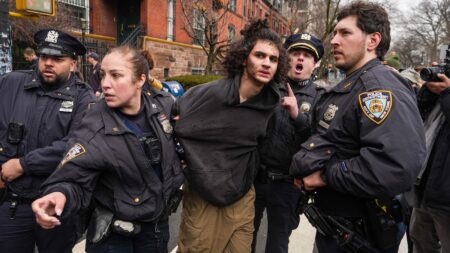
As the legal proceedings move forward, a scheduling dispute has emerged between federal and state prosecutors that could significantly impact how this case unfolds. The Manhattan District Attorney’s office is pushing aggressively for the state trial to begin on July 1, well before the currently scheduled federal trial date. Mangione faces nine separate state charges, including second-degree murder and multiple weapons violations. State prosecutors argue that their case should proceed first, but Mangione’s defense team has objected to this timeline, calling it unreasonable and arguing that they need the remainder of the year to adequately prepare for the federal trial. This scheduling conflict is more than just a calendar dispute—it could affect legal strategy on both sides, as what happens in one trial could influence the other. Meanwhile, the case took a bizarre turn this week when a Minnesota man named Mark Anderson was arrested for allegedly attempting to free Mangione from custody by impersonating a federal agent. According to prosecutors and federal law enforcement sources, Anderson showed up at the Metropolitan Detention Center in Brooklyn, where Mangione is being held, claiming to be an FBI agent. He allegedly presented papers that he said were from a judge authorizing Mangione’s immediate release. When authorities searched Anderson, they discovered he was carrying an odd assortment of items including a barbecue fork and a pizza cutter. In an ironic twist, Anderson is now detained in the same facility as the man he allegedly tried to liberate.
The Broader Context and What Lies Ahead
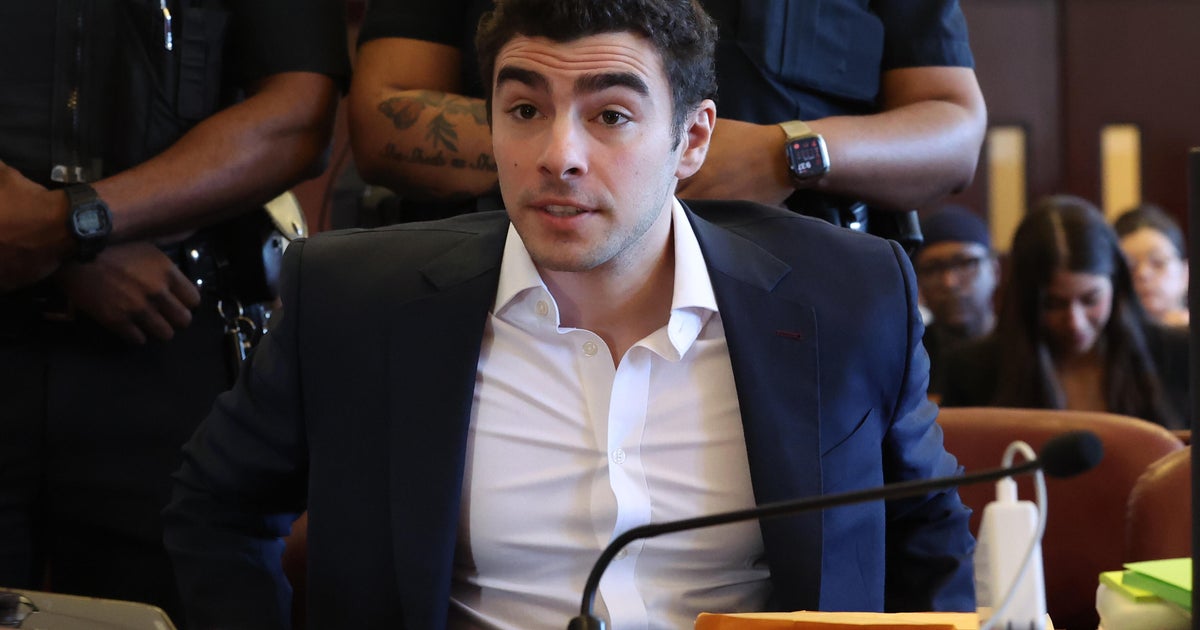
The Luigi Mangione case has resonated far beyond the typical criminal prosecution, touching on broader public frustrations with the American healthcare system and corporate practices. Brian Thompson, as the CEO of UnitedHealthcare, led one of the nation’s largest health insurance companies, and his killing has sparked conversations about the relationship between healthcare corporations and the people they serve. The public support that has rallied around Mangione—evidenced by the supporters standing in the cold outside courthouses and the flood of letters and emails to his legal team—suggests that some view this case through a lens that extends beyond the specific allegations of murder. This doesn’t excuse or justify violence, but it does indicate that the case has become a flashpoint for larger societal tensions. As Mangione appeared in court Friday wearing tan prison clothing with his hands unshackled, the legal process continued its methodical march forward. The dismissal of the death penalty charges represents a significant victory for the defense, but Mangione still faces the prospect of spending the rest of his life in prison if convicted on the remaining charges. Whether the state or federal case proceeds first, and how prosecutors present their evidence given the admissibility ruling, will likely determine the outcome. For now, both legal teams are preparing for what promises to be a lengthy and closely watched trial that will captivate public attention and potentially set important legal precedents regarding how federal death penalty cases are constructed and challenged.