


Target CEO Faces Growing Pressure Over ICE Operations in Minneapolis
Union Leader Demands Corporate Action on Immigration Enforcement
Michael Fiddelke, Target’s newly appointed CEO, finds himself at the center of a brewing controversy as powerful labor organizations demand the retail giant take a public stance against Immigration and Customs Enforcement operations in Minneapolis, the company’s home base. The pressure campaign, led by the American Federation of Teachers, represents one of the first major tests of Fiddelke’s leadership, coming just as he assumes control of one of America’s most recognizable retail brands. The situation highlights the increasingly difficult position corporations find themselves in when social and political issues intersect with their business interests and community relationships.
Randi Weingarten, president of the American Federation of Teachers (AFT), delivered a pointed public letter to Fiddelke over the weekend, expressing deep disappointment with what she characterized as Target’s conspicuous silence on ICE activities throughout the Twin Cities area. Her criticism wasn’t merely rhetorical—it came with the weight of substantial financial leverage. The AFT represents teachers, nurses, and other public employees whose pension funds collectively manage approximately $4 trillion in assets, including 6.8 million shares of Target stock. Weingarten made clear that this investment gives union members a legitimate voice in how Target conducts its business and engages with the community. She emphasized that Target employs 34,000 Minnesotans, many in critical headquarters positions, creating deep roots in the Twin Cities community from which the company benefits substantially. The implication was unmistakable: with such significant presence and influence in Minneapolis, Target cannot simply remain on the sidelines when federal immigration enforcement becomes a community crisis.
Tragic Events Spark Community Outrage
The urgency behind Weingarten’s letter stems from recent tragic incidents that have shaken Minneapolis to its core. Federal immigration agents fatally shot two Minneapolis residents in separate incidents—Renee Good on January 7th, and later Alex Pretti, who was killed by border patrol agents. These deaths have catalyzed widespread community anger and protest, transforming what might have been routine immigration enforcement into a flashpoint of controversy. The AFT leader’s letter specifically criticized Target’s failure to acknowledge these deaths or call for federal agents to cease their operations in the city. For many Minneapolis residents and community advocates, the silence from major corporate employers like Target feels like abandonment at a moment when strong voices are needed most. The situation has placed Fiddelke in an extraordinarily difficult position: speak out and potentially alienate some stakeholders, or remain silent and face accusations of moral cowardice from others.
New CEO Navigates First Major Crisis
The timing of this controversy could hardly be more challenging for Fiddelke personally. He assumed the CEO position just last summer after spending his entire career at Target, beginning as an intern and working his way up through the ranks. This week marks his first as the official leader of the company, a moment that should have been focused on articulating his vision and priorities for Target’s future. Instead, he finds himself managing a complex crisis that blends immigration policy, community relations, employee welfare, and corporate social responsibility. In a statement released Monday, Fiddelke outlined Target’s business priorities but notably avoided any specific commentary on ICE operations in Minneapolis. This calculated silence may have been intended to keep the company out of a politically charged debate, but Weingarten warned that such reticence could ultimately backfire, telling the new CEO that his “response to the current crisis will define your time as CEO.” It’s a stark reminder that in today’s business environment, corporate leaders are increasingly expected to take positions on social issues, whether they want to or not.
Corporate Community Response Falls Short
Fiddelke did join more than 60 CEOs of Minnesota-based companies in signing a joint letter in January that called for the “immediate de-escalation of tensions” in the community. On the surface, this might seem like meaningful corporate engagement with a serious community issue. However, critics have noted what the letter didn’t say as much as what it did. The document made no specific reference to ICE or its tactics, and it failed to mention the names of the Minneapolis residents killed by federal agents. For Weingarten and many community activists, this omission rendered the letter essentially meaningless—a carefully worded statement designed to appear engaged while actually avoiding taking any real position. Weingarten acknowledged the letter as a “productive first step” but said it “falls far short of showing real leadership to end ICE’s occupation in Minnesota.” This response reflects a broader frustration with corporate statements that express general concern without committing to specific actions or naming the source of community harm. Alison Taylor, a professor of Business and Society at NYU Stern School of Business, told CBS News that the business community should expect continuing pressure related to events in Minneapolis, noting that advocates “wanted to see condemnation, names of victims, and a stronger callout that this should stop,” none of which appeared in the corporate letter.
Target Stores Become Focal Points of Protest
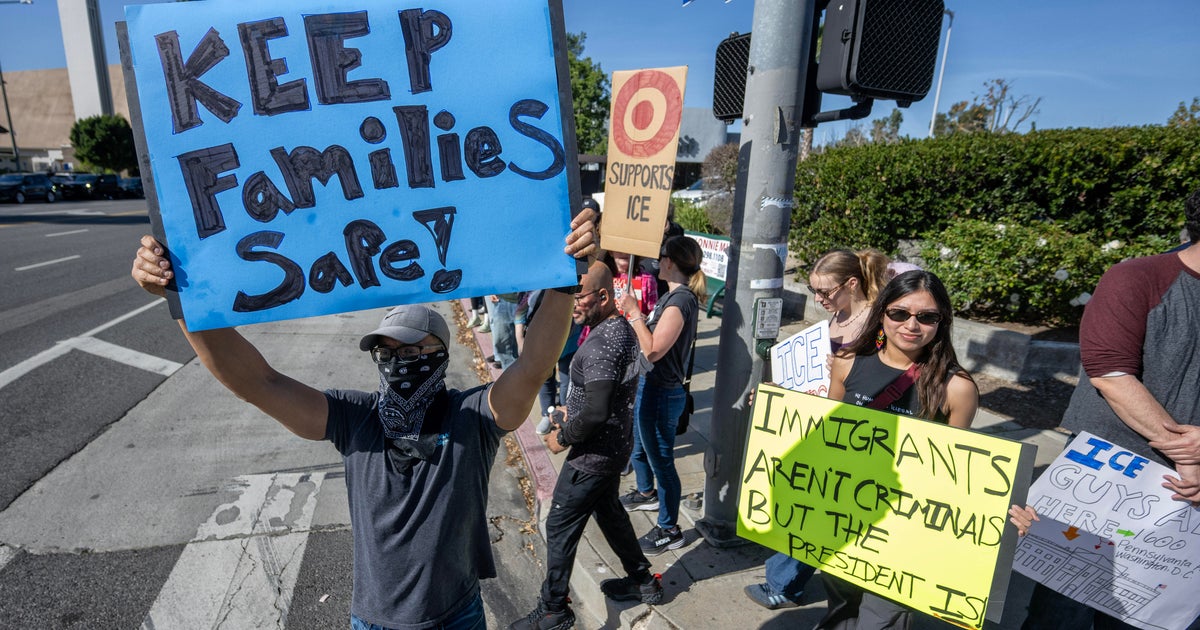
The controversy has moved beyond letters and statements to physical demonstrations that directly impact Target’s operations and brand image. ICE agents have conducted operations in Target parking lots, inadvertently making the retailer’s properties sites of federal immigration enforcement activity. This association has prompted anti-ICE activists to stage demonstrations at Target locations throughout the Minneapolis area. Most dramatically, protesters rallied in front of Target’s corporate headquarters on Monday, just 36 hours after demonstrators appeared at 23 different Target stores across the region. The situation escalated further when ICE detained two Target employees at one of the company’s Minneapolis stores last month, directly involving Target’s workforce in immigration enforcement actions. For Target’s leadership, these developments create both a public relations challenge and a genuine employee welfare concern. When federal agents are detaining workers from company premises, corporate silence becomes increasingly untenable, as it appears to some employees that their employer is unwilling or unable to protect them.
The Corporate Dilemma in Polarized Times
Target’s situation illustrates the increasingly impossible position corporations face in today’s polarized environment. Any statement the company makes about ICE operations will alienate some portion of its stakeholders—customers, employees, shareholders, or community members. Remaining silent, however, also carries costs, as the AFT’s letter demonstrates. With pension funds controlling millions of shares and consumers representing “an important addressable market,” as Weingarten noted, the financial implications of stakeholder displeasure are real and measurable. Yet the question goes beyond simple financial calculations to fundamental issues of corporate purpose and responsibility. Does a company that employs tens of thousands of people in a community and benefits from that community’s infrastructure, workforce, and goodwill have obligations that extend beyond maximizing shareholder returns? When community members are killed by federal agents, do major employers have a responsibility to respond? These questions don’t have easy answers, but for Michael Fiddelke, they’re no longer theoretical. His response—or continued non-response—will likely shape not only his tenure as CEO but also Target’s relationship with Minneapolis for years to come. As the protests continue and pressure mounts, the new CEO faces a defining choice about what kind of corporate leader he will be and what role Target will play in its home community during times of crisis.