



Senate Passes Historic Housing Bill: What It Means for American Homebuyers
A Rare Moment of Bipartisan Agreement
In a political climate often marked by division and gridlock, the United States Senate achieved something remarkable this week: passing sweeping housing legislation with overwhelming bipartisan support. The 21st Century ROAD to Housing Act sailed through the Senate on Thursday with an 89-10 vote, representing the most comprehensive housing reform package the country has seen in decades. This rare display of cooperation comes at a critical moment when housing affordability has become one of the most pressing concerns for American voters heading into an election year. The bill, co-sponsored by an unlikely duo—progressive Democrat Elizabeth Warren of Massachusetts and Republican Tim Scott of South Carolina—aims to tackle the housing crisis through multiple approaches, including streamlining new home construction, reducing regulatory barriers, and perhaps most controversially, prohibiting institutional investors from purchasing single-family homes. Senate Majority Leader John Thune praised the legislation as “the product of good ideas from both parties and from both houses of Congress,” emphasizing that it offers “real solutions that will unlock new home construction, drive down prices, and increase the supply of affordable homes.” The wide margin of approval suggests that lawmakers recognize the urgency of addressing housing costs that have left millions of Americans struggling to achieve homeownership.
What the Bill Actually Does
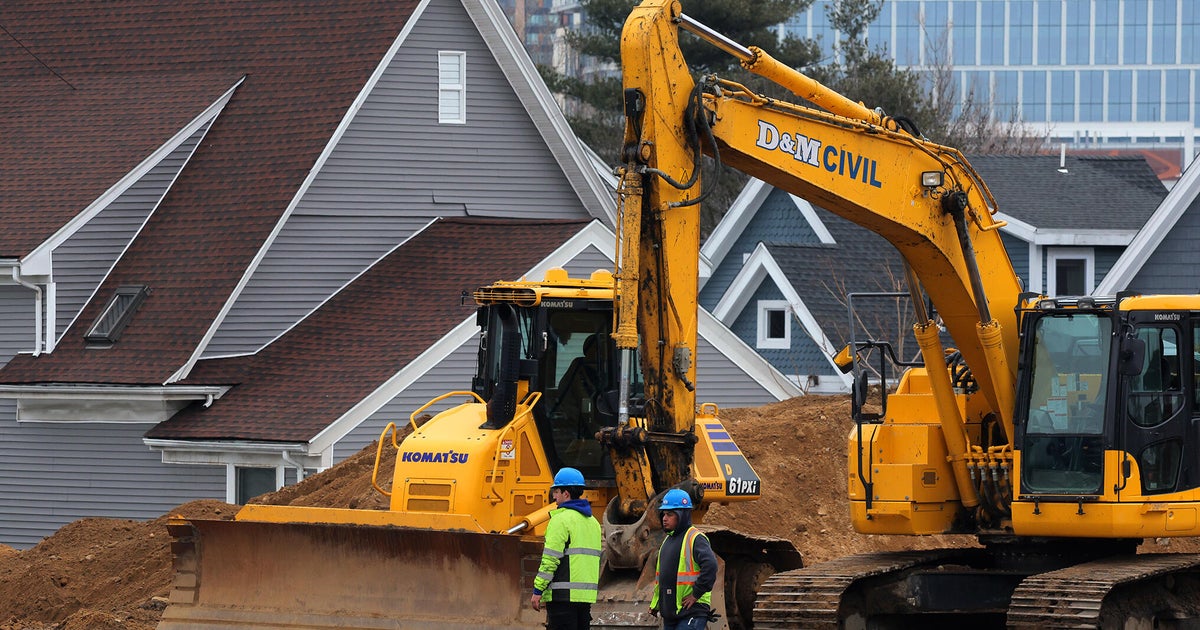
At its core, the 21st Century ROAD to Housing Act takes aim at the fundamental supply-and-demand problems plaguing America’s housing market. The legislation focuses on streamlining the construction process for new homes, cutting through layers of red tape and regulations that have historically made building more expensive and time-consuming. By making it easier and more cost-effective to build, proponents argue, developers will create more housing inventory, which should naturally drive down prices through increased supply. But the bill’s most headline-grabbing provision is its ban on institutional investors purchasing single-family homes—a measure specifically requested by the White House. This provision addresses a growing concern among homebuyers who find themselves competing not just against other families, but against deep-pocketed investment firms and corporations that can pay cash and close quickly. These institutional investors have been blamed for driving up home prices in many markets and converting what were once owner-occupied homes into rental properties. The bill also includes a temporary ban on the central bank issuing digital currency, though this particular provision has become a sticking point for some conservative lawmakers who want the prohibition to be permanent rather than temporary. Supporters of the overall package argue that limiting corporate ownership of single-family homes would level the playing field for ordinary Americans trying to buy their first home or upgrade to accommodate a growing family.
The Numbers Tell a Troubling Story
The urgency behind this legislation becomes clear when examining the current state of housing affordability in America. According to recent CBS News polling, more than 80% of Americans now believe buying a home has become significantly harder compared to previous generations—a sentiment that crosses party lines and demographic groups. This isn’t just perception; the numbers back up these feelings of frustration and impossibility. Federal Reserve data reveals a startling reality: prospective homebuyers now need to earn 43% more than the average worker just to afford a typical home in today’s market. This gap represents a fundamental shift in the American dream of homeownership, transforming what was once a realistic goal for middle-class families into an increasingly distant aspiration. The combination of factors contributing to this crisis is complex—stagnant wages relative to home price growth, low inventory in many markets, increased construction costs, higher interest rates, and yes, competition from corporate investors have all played a role. For many Americans, particularly younger generations trying to establish themselves, the prospect of homeownership feels further out of reach than ever before. The housing crisis has ripple effects throughout the economy and society, affecting everything from family formation to geographic mobility to wealth accumulation. When people can’t afford stable housing, it impacts their ability to save for retirement, invest in education, and build the kind of generational wealth that homeownership has traditionally provided for American families.
Conservative Opposition and the House Hurdle
Despite the Senate’s overwhelming approval and the House’s previous passage of a similar version by a 390-9 vote last month, the path forward for this housing legislation remains uncertain. The challenge stems from the fact that the Senate substituted its own version of the bill, meaning the House must now reconsider the changes rather than simply sending the original version to the president’s desk. This procedural reality has given conservative opponents an opportunity to dig in their heels on specific provisions they find objectionable. House Freedom Caucus Chairman Andy Harris of Maryland has made it clear that his chamber won’t simply rubber-stamp the Senate version, telling reporters that the House will “deal with housing in some way—it’s not going to be the way the Senate is going to send it over to the House.” The primary sticking point for these conservatives appears to be the digital currency provision, which they view as insufficiently permanent. Some fiscal conservatives also harbor concerns about the regulatory approaches in the bill and whether the legislation represents appropriate federal intervention in housing markets. House Majority Leader Steve Scalise of Louisiana has struck a more conciliatory tone, expressing hope that the two chambers can “find common ground to make housing more affordable for families,” suggesting that Republican leadership recognizes the political imperative of delivering on housing affordability. The question now becomes whether the House will accept the Senate’s changes, amend the bill further, or push for a conference committee where representatives from both chambers would hash out a compromise version—a process that could take weeks or even months.
Trump’s Mixed Signals and the White House Position
Adding another layer of complexity to the legislative process is President Trump’s somewhat ambiguous stance on the housing bill. On one hand, the White House has officially indicated support for the Senate version, with the Office of Management and Budget releasing a statement calling it “significant advances in federal housing policy to further the goals of expanding housing supply and affordability.” Trump himself has been vocal about the issue of corporate ownership of single-family homes, signing an executive order in January directing federal agencies to avoid facilitating sales of single-family homes to large institutional investors—a policy that aligns perfectly with a key provision of this legislation. During his State of the Union address, the president specifically urged Congress to pass legislation backing up his executive action on this issue. However, in a confusing twist, Trump told House Republicans at their Florida retreat this week that voters are demanding passage of the SAVE America Act—an elections bill—rather than housing legislation, claiming “that’s all they talk about. They don’t talk about housing, they don’t talk about anything.” This mixed messaging creates uncertainty about whether the president will use his considerable influence with House Republicans to push the housing bill across the finish line or whether he’ll prioritize other legislative agenda items. Senate Majority Leader Thune acknowledged this dynamic, telling reporters that if the White House wants the House to approve the Senate version, “they’ll probably have to make that argument to House leadership.” The president’s input could prove decisive, particularly for House conservatives who might otherwise oppose the bill but would be reluctant to defy a direct presidential request.
What Happens Next and Why It Matters
The coming weeks will determine whether this historic housing legislation becomes law or joins the long list of promising bipartisan efforts that ultimately foundered on procedural hurdles and political gamesmanship. The quickest path to enactment would be for the House to simply pass the Senate version as-is, sending it directly to President Trump’s desk for signature. However, given the stated opposition from the Freedom Caucus and the procedural concerns raised by conservative members, this streamlined approach seems unlikely. More probable scenarios include the House amending the Senate bill and sending it back for another round of consideration, or the establishment of a conference committee to negotiate a compromise version that both chambers can support. Each of these alternatives adds time and uncertainty to the process, during which political dynamics could shift or other legislative priorities could crowd out the housing bill. For the millions of Americans struggling with housing costs, the stakes couldn’t be higher. This legislation represents the most serious congressional attempt in a generation to address the structural issues making homeownership increasingly unattainable for ordinary families. While no single bill can solve the complex web of factors driving housing unaffordability, the 21st Century ROAD to Housing Act takes meaningful steps toward increasing supply, reducing regulatory barriers, and limiting the role of institutional investors in residential real estate markets. Whether lawmakers can overcome their remaining differences and deliver this relief to constituents will serve as a test of whether Washington can still function on issues where bipartisan consensus exists and the American people are demanding action.