

Trump Nominates Kevin Warsh as New Federal Reserve Chair Amid Rate-Cutting Pressure
A High-Stakes Economic Appointment
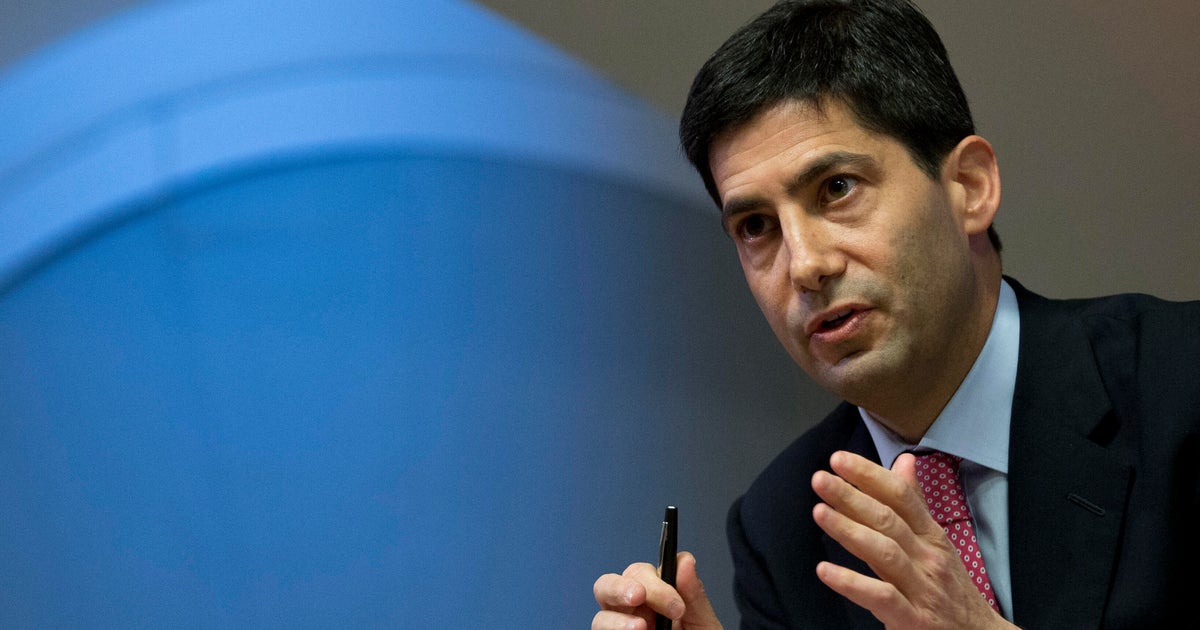
President Trump announced Friday his nomination of Kevin Warsh to lead the Federal Reserve Board, a decision that comes at a critical moment for America’s economic policy. The announcement, made through Trump’s Truth Social platform, places Warsh at the center of an ongoing debate about interest rates and the Fed’s independence. Warsh brings significant experience to the role, having served on the Fed’s board for five years beginning in 2006 under President George W. Bush—joining just as the financial crisis was about to unfold. Since leaving the Fed, he’s worked alongside billionaire investor Stanley Druckenmiller and held prestigious academic positions, including a role at Stanford’s Hoover Institution. If the Senate confirms him, Warsh will step into one of the most politically charged environments in the Federal Reserve’s history, with Trump openly demanding faster and deeper interest rate cuts to stimulate economic growth, even as concerns about inflation linger.
Warsh’s Complex Position on Interest Rates and Fed Independence
Kevin Warsh presents an interesting paradox that makes his nomination particularly intriguing. Earlier this year, he signaled openness to lower interest rates, aligning at least partially with Trump’s public wishes. He’s been sharply critical of how the Federal Reserve has managed inflation in recent years, arguing the central bank suffers from a “credibility crisis” and needs what he calls “regime change.” These statements certainly resonated with an administration frustrated by the Fed’s cautious approach. However, Warsh has also emphasized that it’s “essential” for the Federal Reserve to maintain its independence over monetary policy—a principle that could put him at odds with a president who has been extraordinarily vocal about wanting influence over rate decisions. Some economists, including Kenneth Rogoff, have described Warsh as “highly regarded” but potentially “even more hawkish than Powell,” meaning he might actually favor higher interest rates than the current chair. This creates an uncertain situation: Will Warsh prove more accommodating to Trump’s demands than Powell, or will his hawkish tendencies and stated commitment to Fed independence lead to similar tensions?
The Tumultuous Relationship Between Trump and Powell
Warsh’s nomination comes as Trump’s relationship with current Fed Chair Jerome Powell has deteriorated dramatically. Trump has unleashed a barrage of personal insults at Powell, calling him a “dumb guy,” a “stubborn mule,” and “Mr. Too Late,” criticizing what he sees as the Fed’s painfully slow pace in reducing interest rates. The irony isn’t lost on observers that Trump himself appointed Powell as Fed chair in 2018, and Powell was later reappointed by President Biden for a second four-year term. The tension escalated dramatically earlier this month when Powell made a startling video announcement revealing that the Fed had received subpoenas threatening him with criminal charges related to an expensive renovation project at the central bank’s Washington headquarters. Powell characterized this investigation as an intimidation tactic aimed at pressuring the Fed over its interest rate decisions, fundamentally threatening the institution’s independence. While the White House insisted Trump didn’t personally direct the Justice Department to issue these subpoenas, the timing and nature of the legal action raised serious questions about political interference in what’s supposed to be an independent institution.
Senate Confirmation Challenges and Powell’s Future
The controversy surrounding Powell’s treatment could make Warsh’s path to confirmation more complicated than it might otherwise have been. Several Republican senators have sharply criticized the Justice Department’s use of subpoenas against Powell, with Senator Thom Tillis of North Carolina going so far as to vow he’ll oppose all Federal Reserve nominees “until this legal matter is fully resolved.” This principled stand by members of Trump’s own party shows genuine concern about preserving the Fed’s independence, even when it conflicts with presidential preferences. Additionally, Fed watchers now speculate that the subpoena controversy might actually make Powell more likely to remain on the Federal Reserve’s seven-member board as a regular member after his chairmanship ends in May. While most Fed chairs have traditionally resigned from the board entirely once they’re no longer in charge, Powell has the right to stay on as a board member until early 2028. If he chooses this path, Powell would continue to have a voice in Fed decisions, potentially diluting Trump’s influence over the institution and creating an awkward dynamic with Warsh as the new chair but Powell still present in the room.
Understanding How the Fed Actually Works
To fully grasp what’s at stake in this nomination, it’s important to understand that the Fed chair, despite the title’s prestige, doesn’t actually set interest rates single-handedly. Target interest rates are technically determined by a 12-member panel called the Federal Open Market Committee, not by the chair alone. That said, the chair has historically wielded enormous influence over the committee’s decisions and played a crucial role in building consensus among its members. The Fed faces a delicate balancing act between its two primary responsibilities: keeping inflation low while maintaining high employment levels. In 2022 and 2023, facing the worst inflation in roughly four decades, the Fed aggressively raised interest rates from near zero to levels not seen in decades. Since then, the central bank has been cautiously lowering rates, cutting by a full percentage point in late 2024, then keeping them steady through most of 2025, followed by cuts totaling 0.75 percentage points since September. At its most recent meeting this week, the Fed kept rates unchanged. The Fed’s cautious approach stems from continued economic uncertainty—inflation has dropped significantly from its 2022 peak but remains above the Fed’s 2% annual target, while the job market has cooled despite unemployment staying relatively low. Powell has also pointed to Trump’s tariff policies as a contributing factor to ongoing inflation pressures.
Trump’s Push for Influence and What It Means for the Economy
President Trump has made absolutely no secret of his desire for the next Fed chair to move much more aggressively on cutting interest rates. “I’m looking for somebody that will be honest with interest rates,” he told reporters on December 10th when asked about finding a new chair. “Our rates should be much lower.” Trump has consistently argued that the Federal Reserve should consider his views when making decisions, stating on December 12th that “my voice should be heard” on rate-setting, pointing to his business background as evidence of strong economic instincts. “I’ve made a lot of money, I’ve been very successful, and I think my role should be at least that of recommending,” Trump said. “They don’t have to follow what I say.” The administration’s pressure on the Fed has gone beyond words—Trump has attempted to fire Fed board member Lisa Cook, accusing her of mortgage fraud, though courts have kept her in place while her lawsuit proceeds. Under federal law, Fed board members can only be fired for cause. The stakes of this debate extend far beyond Washington politics. The Federal Reserve has maintained independence from the executive branch for good reason—experts believe this separation gives the central bank credibility and reassures markets that monetary policy isn’t driven by short-term political considerations. Many economists worry that if the Fed loses its independence, it could lead to higher inflation over time because presidents might be tempted by the politically popular immediate benefits of low interest rates, like a booming economy, while ignoring longer-term consequences. When asked if he pushed Fed chair candidates to pledge they’d lower rates, Trump said, “No. I’ll be asking questions and I’ll be able to figure it out.” As Warsh’s confirmation process moves forward, the fundamental question remains: Can the Federal Reserve maintain its independence and credibility while facing unprecedented pressure from a president determined to shape monetary policy? The answer will have profound implications for America’s economic future.