


Yemen’s Houthis Remain on the Sidelines: Understanding Their Hesitation in the Widening Middle East Conflict
The Conspicuous Absence of a Key Iranian Ally
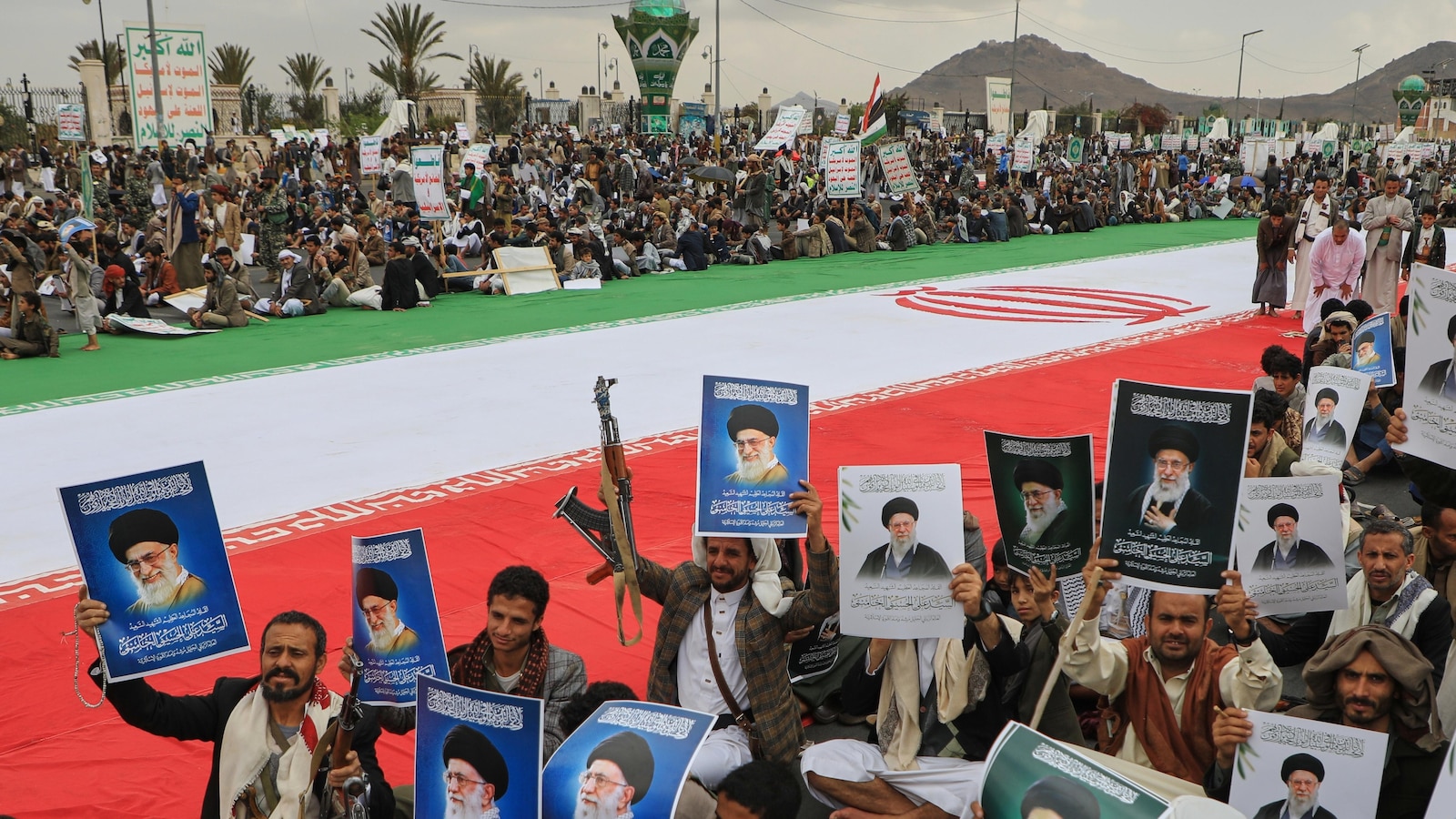
As tensions escalate across the Middle East following renewed hostilities between Iran and its adversaries, one notable player has remained surprisingly quiet: Yemen’s Houthi rebels. While Iran has launched retaliatory strikes against American military installations and Israeli targets, disrupting vital trade routes and threatening regional stability, the battle-tested Houthi movement has largely stayed out of the fray. This restraint is particularly striking given the group’s aggressive involvement in previous regional conflicts, including their extensive campaign of missile and drone attacks during the Israel-Hamas war that followed October 7, 2023. Their current stance of holding protests and issuing condemnations rather than launching attacks represents a dramatic shift from their earlier behavior, raising important questions about their motivations and future intentions.
The situation grew more tense when Iran’s new supreme leader, Ayatollah Mojtaba Khamenei, hinted in his first written statement since assuming power after his father’s death that Iran might open additional fronts in the conflict. This statement has led regional analysts to speculate that the Houthis’ period of restraint may be coming to an end. According to experts familiar with the situation, several factors have contributed to the Houthis’ reluctance to enter the current conflict, including legitimate fears about targeted assassinations of their leadership, internal political divisions within Yemen itself, and significant uncertainties about whether they can secure adequate weapons supplies to sustain a prolonged military campaign. However, as Iran seeks new ways to pressure global powers—particularly by threatening oil supply routes that are vital to the world economy—the Houthis’ proven track record of successfully attacking oil infrastructure in the region makes them an attractive option for Iranian strategists looking to expand the conflict.
The Houthis’ Rise and Their Complex Relationship with Iran
To understand the current situation, it’s essential to examine how the Houthis became such a formidable force in the region. Armed and supported by Iran, the Houthi movement dramatically altered Yemen’s political landscape in 2014 when they seized control of most of northern Yemen, including the capital city of Sanaa. This takeover forced Yemen’s internationally recognized government into exile, prompting a Saudi-led coalition to intervene the following year in an attempt to restore the ousted government. Since then, Yemen has been mired in a devastating civil war that has largely reached a stalemate, with neither side able to achieve a decisive victory despite years of fighting that has created one of the world’s worst humanitarian crises.
The relationship between the Houthis and Iran, while significant, is more nuanced than many observers realize. Unlike Lebanese Hezbollah or certain Iraqi militias that maintain direct allegiance to Iran’s supreme leader, the Houthis follow a different branch of Shiite Islam and maintain a degree of independence in their decision-making. They share political and religious ties with Iran, but they are not simply Iranian puppets. Despite this independence, they remain a crucial component of Iran’s regional influence strategy. Ahmed Nagi, a senior Yemen analyst at the International Crisis Group, explains that from Tehran’s perspective, the Houthis have demonstrated themselves to be highly capable and effective, able to generate real pressure on their adversaries when called upon. Importantly, Nagi believes the Houthis’ current decision to maintain distance from the conflict is a calculated strategic choice that has been fully coordinated with Iranian leadership, rather than a sign of weakness or unwillingness to fight.
Military Capabilities and Current Limitations
According to insider sources within the Houthi movement who spoke to journalists on condition of anonymity, the group faces real constraints on its military capacity. Two officials from the group’s media and political offices revealed that the rebels’ weapons stockpile has been significantly depleted following their extensive campaign of attacks during the Israel-Hamas war. The current Iran conflict has further complicated matters by disrupting the flow of new weapons into Yemen. However, these same officials acknowledge that the group still maintains a substantial stockpile of drones, which have proven to be effective weapons in previous engagements. Another well-informed official suggested that despite these limitations, the Houthis are actively working to rebuild their military strength through multiple channels.
The group appears to be preparing for potential escalation through several strategic moves. They are actively recruiting additional fighters to bolster their ranks, increasingly relying on local weapons production facilities to compensate for disrupted international supply lines, and repositioning reinforcements along Yemen’s western coastline adjacent to the Red Sea—a strategically vital waterway for international shipping. According to Nagi, these preparations indicate that the Houthis are positioning themselves for eventual involvement in the conflict, even if the timing remains uncertain. He emphasizes that “the decision is not about unwillingness to intervene, but about timing.” Iran’s broader strategy appears to involve a gradual escalation, deploying its various proxy forces and capabilities incrementally as the confrontation evolves, rather than committing all resources simultaneously. If the conflict widens significantly or if Iran faces what the Houthis perceive as an existential threat—such as severe degradation of Iranian military capabilities—the likelihood of Houthi involvement increases dramatically. Houthi leader Abdulmalik al-Houthi has publicly stated multiple times that his forces remain ready to intervene, claiming their “hands are on the trigger,” though the specific nature of such involvement remains deliberately vague.
Potential Targets and Strategic Implications
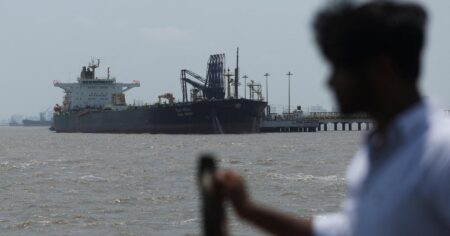
If the Houthis do decide to enter the current conflict, analysts have identified several likely targets and tactics. The most probable scenario involves resuming attacks on commercial shipping in the Red Sea and the Gulf of Aden, waterways that are absolutely vital to global trade. During the Israel-Hamas war, Houthi attacks on vessels severely disrupted shipping through the Red Sea, a route through which approximately $1 trillion worth of goods passed annually before the conflict began. The rebels also demonstrated their capacity to strike Israeli territory directly with long-range drones. Should they join the Iran war, their primary targets would likely be oil tankers, since attacking commercial shipping offers the most immediate pressure point while sending a clear signal of escalation and directly impacting energy supply chains that the global economy depends upon.
Beyond shipping, the Houthis might also consider attacks on oil production and processing installations. They have previous experience with such operations, having successfully struck oil facilities in Saudi Arabia during their ongoing conflict with the Saudi-led coalition. These attacks demonstrated both their technical capabilities and their willingness to target critical energy infrastructure. Additionally, U.S. military installations throughout the region could become targets, potentially joining Iran’s broader campaign against American assets in the Middle East. Farea al-Muslimi, a research fellow at the Chatham House think tank in London, confirmed that the Houthis are “always ready for any war” and noted that weaponry has been repositioned to different areas inside Yemen recently, though he cautioned that it remains unclear whether this movement signals imminent military escalation or simply represents routine defensive preparations.
Internal Pressures and External Warnings
The decision about whether to join the conflict is complicated by significant internal factors within Yemen itself. Abdel-Bari Taher, a political analyst and former head of Yemen’s press syndicate, points out that recent deadly clashes in southern Yemen have created internal instability, while public sentiment in Sanaa appears to oppose joining the wider war. Perhaps most significantly, Houthi leaders have become increasingly cautious following several high-profile assassinations of regional militant leaders. The two Houthi officials who spoke about weapons stockpiles also revealed that the United States has sent warnings through Omani mediators explicitly discouraging Houthi participation in the war. These officials further disclosed that Houthi political and security leaders have been informed that their mobile phone communications are under active surveillance by American and Israeli intelligence services.
The fear of targeted assassinations has become so acute that Houthi leaders have been instructed to avoid public appearances altogether. This represents a significant constraint on a movement that has traditionally relied on visible leadership to maintain morale and demonstrate strength. Despite these very real constraints and the complex web of domestic and regional considerations, Taher maintains that Houthi involvement in the conflict remains a genuine possibility. Al-Muslimi offers a slightly different perspective, suggesting that the Houthis currently lack both the military capabilities and a compelling internal Yemeni interest that would justify joining the war. He notes that the group appears committed to maintaining a ceasefire with the United States that was negotiated through Omani mediation last year—an agreement that has provided them with valuable breathing room to consolidate their position within Yemen.
The Path Forward: Local Interests and Regional Calculations
Al-Muslimi makes an important observation about the nature of the Houthi movement and what might ultimately drive their decision-making: while they may hope to engage in combat, particularly with Israel, they are unlikely to “fire the first shot” without a compelling local Yemeni cause that would strengthen support among their domestic base. This highlights a crucial aspect of the Houthis’ position—despite their alignment with Iran and their role in regional conflicts, they remain fundamentally “a local group that Iran uses and supports, but didn’t create.” Their primary constituency is in Yemen, and they must balance regional commitments against local political realities and the needs of their supporters who have endured years of devastating conflict.
As the Middle East conflict continues to evolve, the question of Houthi involvement remains one of the most significant uncertainties facing the region. Their proven military capabilities, strategic position along vital shipping lanes, and history of effective attacks on both maritime and land-based targets make them a potentially game-changing force. However, their current hesitation reflects a complex calculation involving depleted weapons stocks, fear of leadership assassinations, internal Yemeni political considerations, and uncertainty about Iranian support. Whether they ultimately join the fight may depend on how the conflict develops, whether Iran faces more serious threats, and whether the Houthis can identify a cause that resonates with their Yemeni supporters while advancing regional objectives. For now, the world watches and waits to see if this battle-hardened group will move from the sidelines to the front lines of the Middle East’s widening conflict.