


Trump’s TrumpRx Initiative: A New Approach to Prescription Drug Pricing
The Launch of TrumpRx and What It Offers
In a late Thursday evening announcement, the Trump administration unveiled TrumpRx, a groundbreaking prescription drug listing website designed to provide Americans with direct access to medications at significantly reduced prices. The initiative represents President Trump’s effort to address one of the most persistent complaints in American healthcare: the sky-high cost of prescription drugs. Through negotiations with major pharmaceutical companies including industry giants like Pfizer and Novo Nordisk, the administration secured agreements to list dozens of medications at substantial discounts from their standard list prices. The website doesn’t actually sell drugs directly to consumers; instead, it offers gold-embossed coupons that users can print and take to their local pharmacies to redeem the discounted prices.
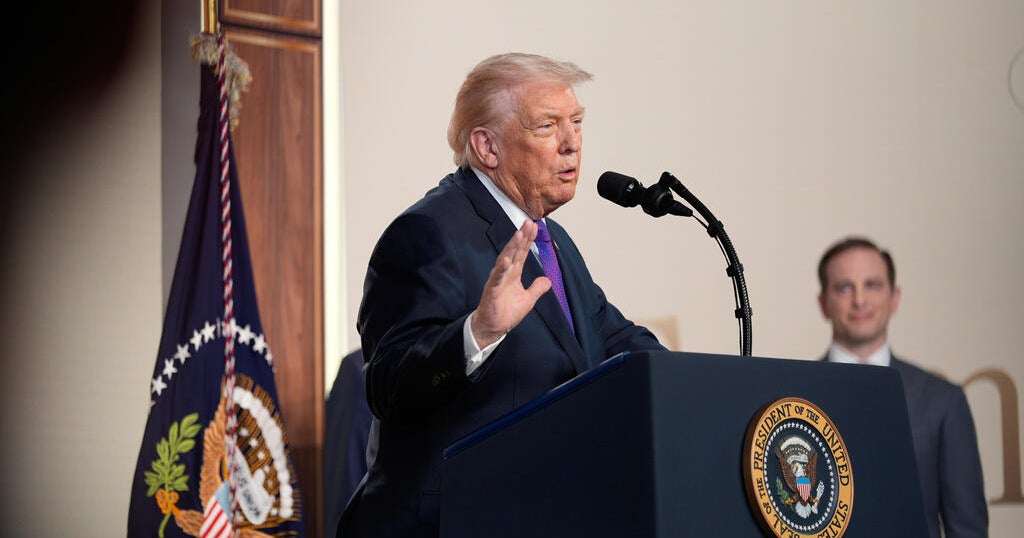
The discounts being offered are genuinely impressive and could provide real relief for certain patients. For instance, Wegovy, the popular weight loss injection manufactured by Novo Nordisk, is listed at just $199 for a four-week supply during the first two months, then $349 afterward—a dramatic reduction from its eye-watering list price of $1,349.02. Similarly, Gonal-F, a medication commonly used in the IVF process, is available at $252 per unit, representing an 83% discount from its sticker price. During the White House event announcing the program, President Trump characterized it as “one of the most transformative health care initiatives of all time,” while Joe Gebbia, an Airbnb founder serving as the administration’s Chief Design Officer who helped create the site, promised that more drugs would be added to the platform over time.
Understanding the Limitations and Real-World Impact
Despite the fanfare surrounding TrumpRx’s launch, health policy experts are urging caution about how transformative this initiative will actually be for most Americans. The fundamental issue is that the vast majority of Americans don’t pay for their prescriptions out-of-pocket—they use insurance coverage that negotiates its own pricing structures. For these insured individuals, the TrumpRx discounts may not actually reduce what they pay at the pharmacy counter. The website itself acknowledges this reality, advising users: “If you have insurance, check your co-pay first—it may be even lower.” This admission suggests that for many Americans with comprehensive drug coverage, TrumpRx may not offer any meaningful savings over what their insurance plans already provide.
Sean Sullivan, a health economist at the University of Washington, offered a particularly blunt assessment of the initiative, calling it “a sideshow and branding opportunity for Trump” in comments to CBS News last year. Sullivan’s reasoning is straightforward: since most patients already have drug coverage through insurance, very few will actually purchase medications with cash unless the drug in question isn’t covered by their insurance plan. This limitation means TrumpRx’s impact will likely be concentrated among specific populations rather than transforming drug pricing for all Americans. However, this doesn’t mean the program is worthless—it could provide genuine assistance to several important groups who currently struggle with medication costs.
Who Benefits Most from TrumpRx
The populations most likely to benefit from TrumpRx are those who fall through the cracks of the traditional insurance system. Uninsured Americans—a significant population despite healthcare expansion efforts—could find real value in these discounts, as they typically pay full list prices for medications. People with high-deductible health plans, which have become increasingly common as employers shift more healthcare costs to workers, may also benefit substantially, especially early in the year before they’ve met their deductibles. Additionally, patients whose specific medications aren’t covered by their insurance plans—a category that notably includes many weight loss drugs like Wegovy and fertility medications like Gonal-F—stand to gain the most from this program.
Mehmet Oz, now serving as the administrator of the Centers for Medicare and Medicaid Services in the Trump administration, urged Americans to take advantage of the program during Thursday’s announcement. “You should not be buying drugs anymore, going forward, without at least checking to see if those medications are available at these discounted prices,” Oz stated. This advice makes particular sense for those in the categories most likely to benefit. The fact that weight loss and fertility drugs feature prominently among TrumpRx’s offerings is significant, as these medications are frequently excluded from insurance coverage despite their medical importance to patients, leaving users to pay entirely out-of-pocket at prices that can be financially devastating.
The Broader Strategy: Most-Favored-Nation Pricing
TrumpRx represents just one component of a multi-pronged strategy the Trump administration is pursuing to lower drug costs. Beyond the direct-to-consumer website, President Trump has negotiated deals with several pharmaceutical companies to implement most-favored-nation pricing for Medicaid patients. This pricing structure means that drugmakers cannot charge more than the prices paid by consumers in other high-income countries—a significant departure from current practice. The companies have also agreed to apply most-favored-nation pricing to new drugs introduced in the U.S. market, potentially preventing the launch of medications with astronomical price tags that have become increasingly common.
The issue of international drug price disparities has frustrated American policymakers across the political spectrum for years. It’s an open secret that Americans pay far higher prices for the same medications than people in European countries and other developed nations pay. For years, lawmakers from both parties have proposed various solutions, including price caps and international price indexing, but these efforts have typically been blocked by pharmaceutical industry lobbying. Drug companies argue that higher U.S. prices are necessary to fund research and development of new medications, warning that price controls could stifle innovation. During Thursday’s announcement, President Trump directly addressed this long-standing issue: “Americans have long been paying the highest drug prices anywhere in the world while other countries often paid pennies on the dollar for the exact same drugs. We were essentially subsidizing the entire world.”
The Reality of Drug Pricing Trends
Despite TrumpRx and the administration’s other initiatives, the broader reality of drug pricing in America remains challenging. According to research from 46brooklyn, a drug pricing research nonprofit, pharmaceutical manufacturers raised the list prices of 947 brand-name drugs this January, while lowering prices on only 20 medications. The median increase in list prices for brand-name drugs reached 4% so far in 2026, matching last year’s increase and outpacing the inflation rate. While the size of annual price increases has declined over the past decade in response to public outcry over drug costs, the fact that increases continue to outpace inflation means medications are becoming less affordable over time, not more so.
There are some bright spots in the data, however. In a few notable cases, list prices for widely used medications have fallen substantially. Eliquis, a commonly prescribed blood thinner, saw its list price plummet by 43%, while Jardiance, used to treat Type 2 diabetes, dropped 44%. These dramatic reductions weren’t random—both medications were among the first ten drugs selected for Medicare price negotiations under provisions in the Inflation Reduction Act passed during the Biden administration. This suggests that government-led price negotiation can produce significant savings. Meanwhile, the Consumer Price Index for prescription drugs, which tracks actual transaction costs rather than list prices, rose 2% between December 2024 and December 2025. Since President Trump’s inauguration for his second term in January 2025, this index has declined by less than 1%—a modest change that doesn’t suggest a fundamental transformation in drug pricing despite the administration’s efforts.