


The Rising Role of Doulas: Transforming Maternal Care in America
From Luxury Service to Essential Healthcare Support
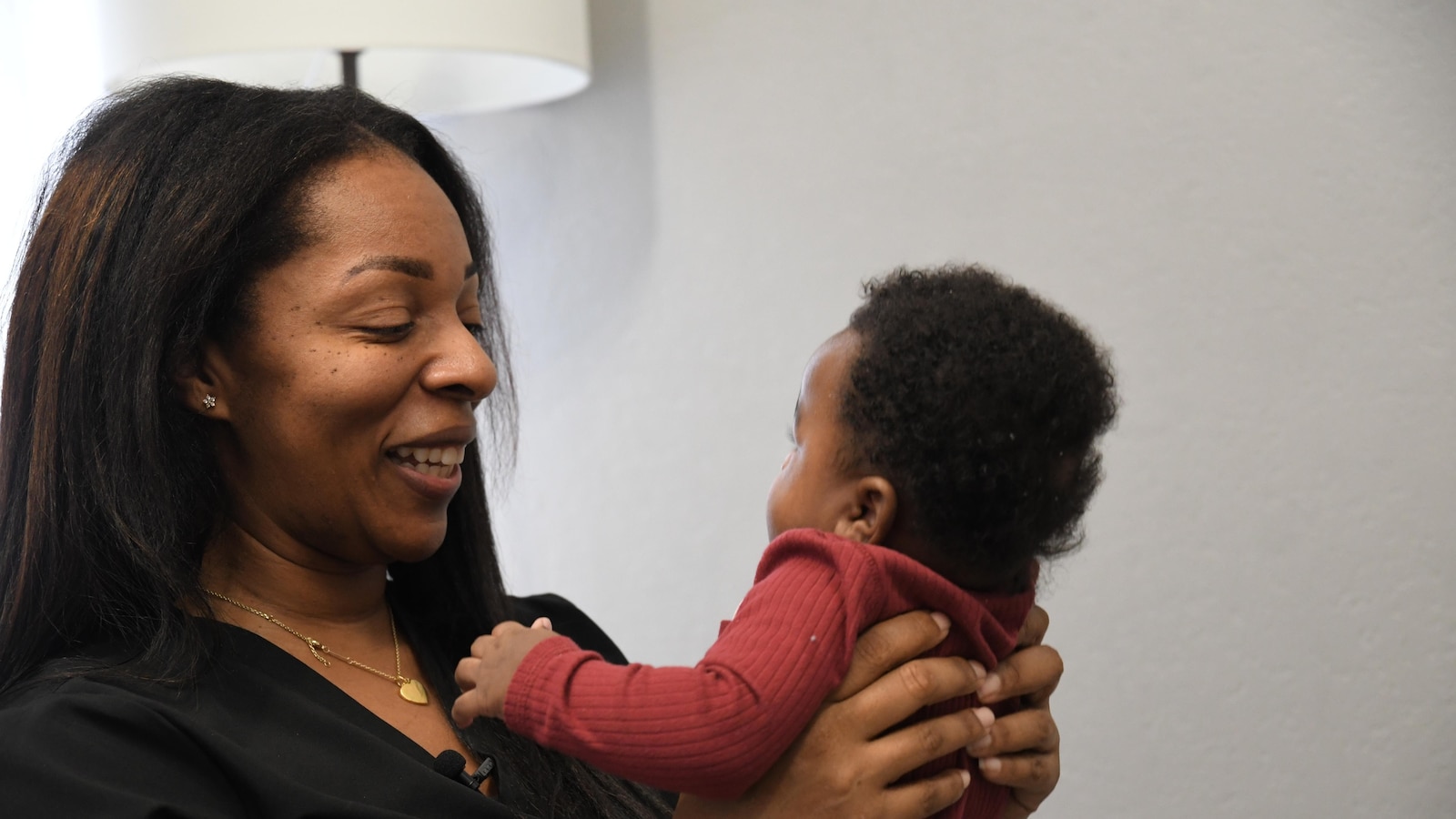
In a cozy room in Memphis, Tennessee, Shaquoiya Stewart sits with her 6-month-old twins while Shanille Bowens, her doula, gently checks in with a simple but profound question: “Do you think there’s anything you need more support with?” This scene represents a significant shift happening across American healthcare. Doulas—professionals who provide physical and emotional support to mothers before, during, and after childbirth—are no longer just a luxury service for those who can afford it. They’re becoming an integral part of mainstream maternal care, welcomed by the medical establishment that once viewed them with skepticism. The transformation is dramatic: what was once available only to wealthy families is now increasingly accessible to mothers across all economic backgrounds, particularly through expanded Medicaid coverage and growing private insurance benefits. This shift couldn’t come at a more critical time, as the United States grapples with one of the highest maternal mortality rates among developed nations, with Black mothers like Stewart dying at more than three times the rate of white women.
Insurance Coverage Expands Access Nationwide
The landscape of doula care coverage has changed remarkably in just a few years. According to the National Health Law Program, more than 30 states now reimburse doulas through Medicaid or are actively implementing such coverage—a dramatic increase from just 14 states in late 2022. This expansion represents a fundamental recognition that doula care is not just beneficial but essential to improving maternal health outcomes. Private insurance companies are following suit, with UnitedHealthcare, one of the industry’s largest players, launching a new doula benefit this year. For families without insurance coverage, the cost of hiring a doula can vary widely but often exceeds $2,000, making these recent coverage expansions particularly meaningful for low-income families. The driving force behind this rapid expansion is compelling research demonstrating that these trained, non-medical professionals can significantly improve health outcomes for both mothers and babies. As Sierra Hill, maternal care access coordinator for Minnesota’s health department, explains: “Doulas can benefit everybody, and that’s especially true for our communities that are facing a lot of inequities and health disparities.”
The Personal Impact: Stories from the Front Lines
For 35-year-old Shaquoiya Stewart, a single mother of four with Tennessee Medicaid coverage, having Bowens as her doula made all the difference. Bowens guided her through the anxiety of early pregnancy with twins, helped manage blood pressure issues during delivery, supported her through an unexpected C-section, and provided crucial emotional support when postpartum blues set in. “I felt safe. It didn’t feel like I was just by myself,” Stewart said, describing Bowens as “like my homegirl.” This personal connection represents the essence of doula care—it’s about more than just medical support. Bowens herself discovered doulas more than two decades ago when pregnant with the first of her six children. Initially confused about what a doula even was, she became so inspired by the care she received that she eventually founded her own practice, Naturally Nurtured Birth Services. Beyond answering questions and providing emotional support, Bowens helps her clients navigate the complex healthcare system, advocates for their needs, connects them with community resources, and often becomes a lifelong friend. “We cater to them, so it looks different for each client,” Bowens explains, highlighting the personalized nature of doula care.
Research Confirms Remarkable Health Benefits
The growing acceptance of doulas isn’t based on anecdotal evidence alone—solid research demonstrates their significant impact on maternal and infant health outcomes. Studies comparing socially disadvantaged mothers who used doulas with those who didn’t reveal striking differences: mothers with doula support were four times less likely to have a baby with low birth weight, twice as likely to avoid birth complications, and significantly more likely to successfully start breastfeeding. A study published last year found even more impressive results among Medicaid recipients: those with doulas had a 47% lower risk of needing C-sections, a 29% lower risk of preterm birth, and were 46% more likely to attend their crucial postpartum checkup. This last statistic is particularly important, according to April Falconi, a scientist at Carelon Research who co-authored the study, because more than half of maternal deaths occur during the postpartum period from causes like infection and excessive bleeding. These compelling results led Minnesota to become a pioneer in 2014 as one of the first states to cover doulas through Medicaid. A decade later, recognizing the program’s success, Minnesota expanded coverage to allow Medicaid recipients 18 sessions with a doula without prior authorization—more than double the previous allowance. “The return on investment is huge,” Hill emphasized.
Breaking Down Barriers in the Medical Community
The integration of doulas into mainstream healthcare hasn’t always been smooth. When Dana Morrison, principal director of Doulas of Duluth in Minnesota, began her work a decade ago, she encountered definite resistance from hospital birth teams—a situation that was common nationally. Friction arose when doulas advocated for approaches different from what medical professionals recommended, and because doulas weren’t integrated into the care system, there wasn’t time to build trust with doctors and nurses. Today, the picture looks dramatically different. Aspirus St. Luke’s hospital now contracts with Doulas of Duluth through a grant-funded program, offering patients scholarships to hire doulas. Nurse Mallory Cummings, doula coordinator at the hospital, notes that birth team members now accept and appreciate doulas, attributing the change to better understanding: “What it really comes down to is everyone’s knowledge of what a doula is.” Dr. Margaret-Mary Wilson, chief medical officer at UnitedHealth Group, observes this broader trend: “I see doulas becoming more and more integrated and accepted by all within the health care system.” While there are no mandatory licenses for doulas, many states have established qualification standards for Medicaid reimbursement, and numerous doulas seek certification from private organizations to ensure quality care.
Building Lasting Bonds Through Crisis and Joy
The depth of the doula-client relationship becomes especially clear in moments of crisis. Mary Bey, 39, found herself crying frequently after giving birth to her daughter Ca’Mya in December, admitting to Bowens, “I’ll be scared and I’ll just be so protective and treat her like she’s just glass.” Bey’s fear was rooted in tragedy—before Ca’Mya’s birth, she had suffered a stillbirth, and Bowens had been there through that devastating experience. “She was there when I had to push him out. She was there after, when I was healing. She came to the house. She brought groceries,” Bey recalled. When Bey became pregnant again, her first instinct was to text Bowens: “Hey, can you still be my doula?” Throughout the pregnancy, Bowens kept Bey calm, answered endless questions, attended her scheduled C-section, and provided support when doctors monitored Ca’Mya for jaundice and a suspected heart problem. Later, when Bey worried her C-section scar might be infected, Bowens advised her to get it checked—and it was infected. For this single mother of four, connected with Bowens through the same Tennessee Medicaid pilot program as Stewart, the relationship transcended professional boundaries. “She makes you feel like she’s family,” Bey said. “She was a friend—my best friend—a cousin, an auntie, a sister. All of the above.” This transformation from luxury service to essential healthcare support represents more than just expanded insurance coverage—it reflects a fundamental reimagining of maternal care that prioritizes emotional support, advocacy, and continuous presence alongside medical expertise, ultimately working to address America’s maternal health crisis one family at a time.