


Army Chief of Staff Ousted: General George’s Final Message to Troops
A Sudden Departure from Leadership
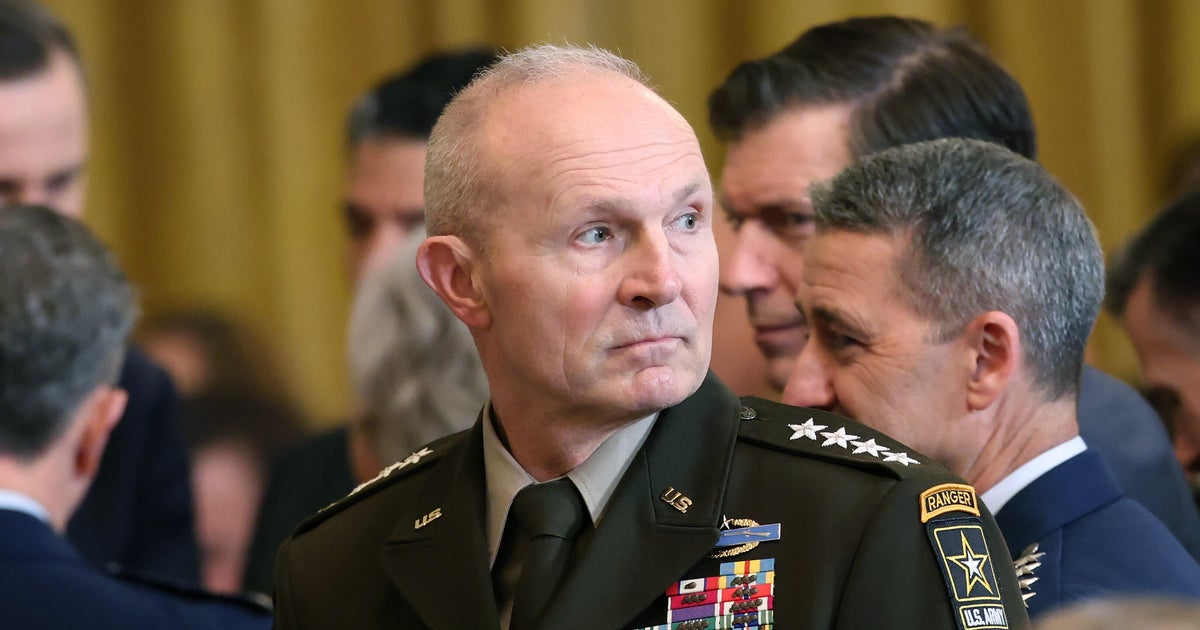
In a surprising turn of events that has sent ripples through the Pentagon, Army Chief of Staff Gen. Randy George was asked to step down from his position by Defense Secretary Pete Hegseth, with instructions to take immediate retirement. The abrupt dismissal of such a high-ranking military official represents one of the most significant leadership changes in the Army’s recent history. George, who had only been serving as the 41st Chief of Staff of the Army since 2023—a position typically held for four years—found his tenure cut dramatically short. The news of his ousting was first exclusively reported by CBS News earlier this week, and sources close to the situation indicated that Hegseth’s decision was motivated by a desire to install someone in the role who would be more aligned with his own vision and that of President Trump for the future direction of the Army. This sudden leadership change comes at a time when the military is navigating complex global challenges and undergoing significant internal transformations.
A Parting Message of Principle and Pride
Following his removal, Gen. George composed a farewell email that quickly circulated among Pentagon officials and military circles. The email, which CBS News confirmed as authentic, was addressed to Defense Secretary Hegseth, the undersecretary and assistant secretary of the Army, as well as to three- and four-star generals and officers on his staff. In his message, George demonstrated the dignity and professionalism that has characterized military leadership for generations, choosing to focus not on the circumstances of his departure but on the soldiers he served and the principles he believes should guide the Army forward. His words were measured yet powerful, reflecting both his pride in the service members under his command and his unwavering commitment to the values he believes are essential to military excellence. The general wrote with evident emotion: “It has been the greatest privilege to serve beside you and lead Soldiers in support of our country. I know you’ll all continue to stay laser-focused on the mission, continue innovating, and relentlessly cut through the bureaucracy to get our warfighters what they need to win on the modern battlefield.” These words revealed not only his dedication to the mission but also his understanding of the challenges facing modern military operations and his commitment to practical solutions that benefit soldiers in the field.
Character and Courage: Core Values Under Scrutiny
Perhaps the most significant portion of George’s farewell message came in his emphasis on the qualities he believes are essential for military leadership. “Our soldiers are truly the best in the world – they deserve tough training and courageous leaders of character,” he wrote, adding, “I have no doubt you will all continue to lead with courage, character, and grit.” While diplomatic in tone, these words take on additional meaning when considered in the context of his abrupt dismissal. By emphasizing “courageous leaders of character,” George appeared to be making a subtle but important statement about what he believes should guide military leadership decisions. The mention of courage and character wasn’t merely a platitude—it represented a core philosophy about what makes military leadership effective and what soldiers deserve from those in command positions. This emphasis on character-driven leadership stands as George’s final professional statement as Army Chief of Staff, leaving behind a clear marker of the values he championed during his tenure. His words serve as both a reminder to those remaining in leadership positions and perhaps a gentle critique of the circumstances surrounding his own departure.
A Distinguished Career Cut Short
Gen. Randy George’s military career had been marked by steady advancement and increasing responsibility. Before assuming the role of Army Chief of Staff in 2023, he served as the senior military assistant to Defense Secretary Lloyd Austin from 2021 to 2022 during the Biden administration. This position placed him at the intersection of military operations and political leadership, giving him unique insight into how defense policy is formulated and implemented. His elevation to Army Chief of Staff represented the pinnacle of an Army career, a position that comes with enormous responsibility for the readiness, training, and well-being of all Army personnel. The role typically carries a four-year appointment, allowing the chief of staff sufficient time to implement their vision and see significant initiatives through to completion. George’s tenure, however, was cut dramatically short, lasting less than two years. The official statement from Chief Pentagon spokesperson Sean Parnell was brief and formal: “General George will be retiring from his position as the 41st Chief of Staff of the Army effective immediately. The Department of War is grateful for General George’s decades of service to our nation. We wish him well in his retirement.” The formality of the statement did little to mask the unusual nature of such an abrupt departure from such a critical position.
New Leadership and Widespread Changes
In the immediate aftermath of George’s departure, Gen. Christopher LaNeve, the current vice chief of staff of the Army, was named acting Army chief of staff. Interestingly, LaNeve previously served as Hegseth’s military aide, suggesting a pre-existing relationship and presumably an alignment of vision that factored into his selection for this interim role. This connection between the new acting chief and the defense secretary signals the kind of loyalty and philosophical alignment that Hegseth appears to be prioritizing in his reorganization of military leadership. George’s ousting is far from an isolated incident but rather part of a broader and sweeping overhaul of Pentagon leadership. Hegseth has dismissed more than a dozen senior military officers in what appears to be a comprehensive restructuring of the military’s top brass. Among those removed are some of the most prominent figures in the U.S. military establishment: Chairman of the Joint Chiefs of Staff Gen. C.Q. Brown, Chief of Naval Operations Adm. Lisa Franchetti, Air Force Vice Chief of Staff Gen. James Slife, and the head of the Defense Intelligence Agency Lt. Gen. Jeffrey Kruse. This wave of dismissals represents an unprecedented turnover in military leadership, affecting all branches of the armed services and key intelligence operations.
Implications for Military Leadership and Morale
The rapid and widespread changes in Pentagon leadership raise important questions about civil-military relations, the politicization of military appointments, and the potential impact on military effectiveness and morale. Military leadership has traditionally operated with a degree of independence from direct political interference, with promotions and appointments based primarily on merit, experience, and demonstrated leadership capability. The principle of civilian control of the military is fundamental to American democracy, but this control has historically been exercised with an understanding that military professionals bring expertise and institutional knowledge that should be respected. When a source told CBS News that Hegseth wants someone who will implement his and President Trump’s vision for the Army, it raised concerns among some observers about whether the traditional balance between civilian oversight and military professional judgment might be shifting. The emphasis on finding leaders who align with a particular political vision rather than simply being the most qualified professionals could have far-reaching implications for how the military operates and how it’s perceived both domestically and internationally. For the soldiers currently serving, these leadership changes create uncertainty during an already challenging period. Gen. George’s final message attempted to provide reassurance and continuity, urging his colleagues to remain focused on their mission and to continue serving with the values that have always defined military excellence. Whether these rapid changes will strengthen the military by bringing in new perspectives aligned with current political leadership, or whether they will disrupt institutional knowledge and demoralize career officers who see their advancement potential tied to political alignment rather than merit, remains to be seen. What is clear is that the American military is experiencing a period of dramatic transition, and the full consequences of these changes will unfold over the months and years ahead.