
FDA Issues Urgent Warning About Contaminated Shellfish: What You Need to Know
Understanding the Current Shellfish Recall
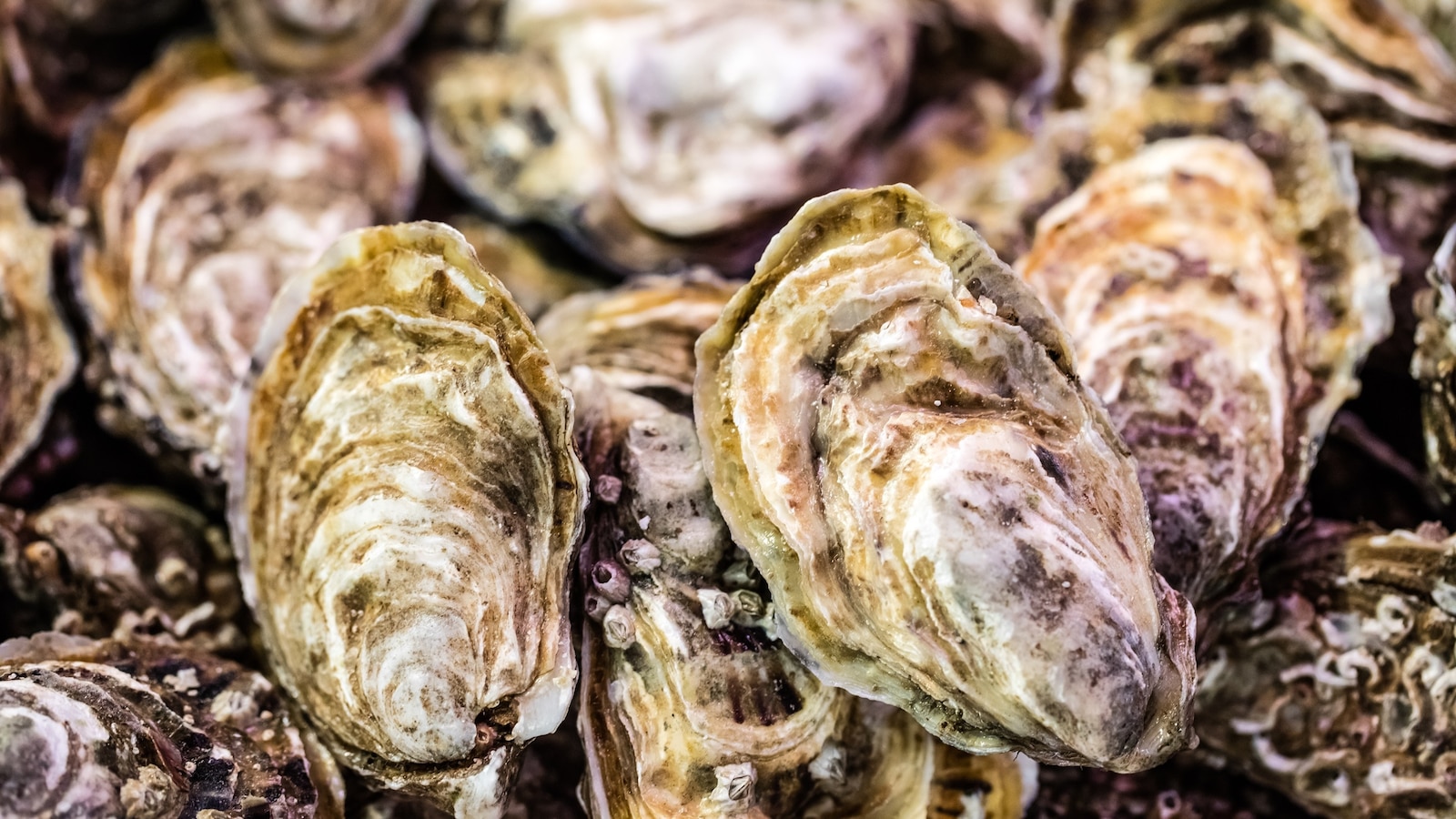
The U.S. Food and Drug Administration has raised serious concerns about the safety of certain raw oysters and Manila clams that may be contaminated with norovirus, a highly contagious virus that wreaks havoc on the digestive system. In an advisory issued on March 9, the FDA made it crystal clear that these particular shellfish products pose a real health risk to consumers. The agency has strongly urged restaurants and food retailers to immediately stop serving or selling these products and to dispose of them properly. For everyday consumers, the message is equally straightforward: don’t eat these shellfish under any circumstances. What makes this situation particularly concerning is that the contaminated products have already been distributed across multiple states, potentially sitting in refrigerators and on restaurant menus throughout the country. The affected oysters came from Drayton Harbor Oyster Company and were harvested between February 13 and March 3, 2026, with distribution primarily in Washington state. Meanwhile, the Manila clams were harvested during the same time period by Lummi Indian Business Council and have traveled much farther, reaching restaurants and retailers in at least nine states: Arizona, California, Florida, Georgia, Illinois, Nevada, New York, Oregon, and Washington. The FDA has also warned that these clams may have found their way to additional states beyond those initially identified, making the scope of this recall potentially even broader than currently known.
The Companies Involved and Their Response
At the center of this health advisory are two shellfish suppliers: Drayton Harbor Oyster Company and Lummi Indian Business Council. ABC News has attempted to contact both organizations for their comments on the situation, though detailed responses have not been widely reported. What we do know is that Lummi Indian Business Council has acknowledged the issue to some degree by posting a notice on their website. This notice confirms that norovirus has been detected in shellfish coming from the Drayton Harbor area, which shows the organization is aware of the contamination problem. However, it’s worth noting that their website notice doesn’t specifically mention the FDA recall or provide the detailed advisory information that consumers need to make informed decisions about their safety. This lack of comprehensive communication from the suppliers themselves places even greater importance on consumers staying informed through official FDA channels and news reports. The situation highlights the complex supply chain involved in bringing seafood from harvest to table, and how contamination at the source can quickly spread across the entire country through modern distribution networks. Both companies are now under scrutiny as health officials work to trace the full extent of the distribution and ensure all contaminated products are removed from the marketplace before they can cause additional illness.
The Hidden Danger: Why This Contamination Is So Serious
One of the most troubling aspects of this norovirus contamination is that it’s essentially invisible to the average person. According to the FDA, shellfish contaminated with norovirus can look completely normal, smell perfectly fine, and taste just as delicious as uncontaminated shellfish. This means that the usual signs people rely on to determine if food has gone bad—off smells, weird colors, strange textures—simply won’t help you identify contaminated oysters or clams. You could eat infected shellfish without having any idea that you’re about to get sick. This is why the FDA’s warning is so emphatic: there’s no way to tell by looking at or smelling the product whether it’s safe to eat. The agency has made clear that anyone who consumes these products and subsequently develops symptoms should immediately contact a healthcare provider. Additionally, reporting any illness to local health departments is crucial because it helps officials track the outbreak and potentially prevent others from getting sick. The risk is particularly severe for certain vulnerable populations. While most healthy adults will recover from norovirus relatively quickly, people with compromised immune systems face the possibility of much more serious illness. This includes elderly individuals, young children, pregnant women, and anyone with existing health conditions that affect their immune function. For these groups, what might be an uncomfortable few days for a healthy adult could become a medical emergency requiring hospitalization.
Norovirus: America’s Leading Foodborne Illness
To understand why this recall matters so much, it helps to know just how common and problematic norovirus is in the United States. According to the Centers for Disease Control and Prevention, norovirus holds the unfortunate distinction of being the leading cause of foodborne illness in America. The statistics are genuinely staggering: this virus is responsible for a whopping 58% of all foodborne illnesses that occur each year in the country. That’s more than half of all cases where people get sick from something they ate. Furthermore, norovirus causes approximately 2,500 outbreaks annually, meaning that throughout the year, clusters of people in communities across the nation are getting sick from this virus. The symptoms of norovirus infection are unpleasant and unmistakable. The most common signs include nausea that makes you feel absolutely miserable, vomiting that can be severe and frequent, stomach pain that ranges from cramping to sharp discomfort, and diarrhea that can lead to dehydration if not properly managed. Beyond these primary digestive symptoms, infected individuals may also experience fever, pounding headaches, and body aches that make you feel like you’ve been hit by a truck. The timeline of infection is fairly predictable: after being exposed to the virus, most people will start feeling symptoms somewhere between 12 and 48 hours later. The good news, if there is any in this situation, is that for most healthy adults, norovirus is a short-lived nightmare. The illness typically resolves within one to three days, though those few days can feel much longer when you’re in the midst of it.
How to Protect Yourself from Norovirus
Given how widespread norovirus is and how easily it spreads, knowing how to protect yourself is essential knowledge for everyone. Health experts are unanimous in their recommendation: the single most effective way to prevent norovirus infection is proper hand washing. But here’s the critical detail that many people don’t realize—hand sanitizer alone won’t cut it when it comes to norovirus. Unlike many other germs that alcohol-based hand sanitizers can effectively eliminate, norovirus is remarkably resistant to these products. What you actually need is good old-fashioned soap and water, used correctly. The CDC recommends washing your hands with warm water and soap for a full 20 seconds. That’s longer than most people actually wash their hands, so it might help to sing “Happy Birthday” twice in your head to make sure you’re washing long enough. The timing of hand washing is just as important as the technique. You should absolutely wash your hands after using the toilet—every single time, no exceptions. If you’re changing diapers, wash your hands thoroughly afterward, as norovirus can spread through fecal matter. Anyone who handles, prepares, or eats food should wash their hands before doing so. This is especially important in food service settings, where one infected food handler can potentially spread the virus to dozens or even hundreds of people. During this current outbreak related to contaminated shellfish, being extra vigilant about hand washing can help prevent the spread of the virus even if someone does inadvertently consume contaminated oysters or clams.
What to Do Now: Practical Steps for Consumers and Businesses
If you’re wondering what concrete actions you should take in light of this FDA advisory, here’s a clear breakdown. For consumers who have recently purchased raw oysters or Manila clams, especially if you live in or recently visited any of the affected states, check where your shellfish came from. If there’s any possibility they were harvested from the Drayton Harbor area between February 13 and March 3, don’t take chances—throw them away. Don’t try to cook them and eat them anyway, as norovirus can sometimes survive cooking temperatures, especially if the shellfish isn’t cooked thoroughly. For restaurants and food retailers, the responsibility is even greater. If you have any oysters from Drayton Harbor Oyster Company or Manila clams from Lummi Indian Business Council that were harvested during the specified dates, remove them from your inventory immediately. Don’t serve them to customers, don’t sell them, and dispose of them in a way that prevents anyone from consuming them. Check your supply chain records to verify the source and harvest dates of all shellfish currently in your inventory. If you or anyone you know has eaten these products and develops symptoms of norovirus, seek medical attention, especially if symptoms are severe or if the affected person is very young, elderly, or has a compromised immune system. Report the illness to your local health department, as this information helps public health officials track the outbreak and take steps to protect others. This shellfish recall serves as an important reminder that food safety is a shared responsibility involving harvesters, distributors, retailers, food service establishments, and individual consumers, and that staying informed and taking quick action when advisories are issued can prevent serious illness.