


A Family’s Fight for Change After Camp Mystic Tragedy
Breaking Their Silence: Parents Speak Out
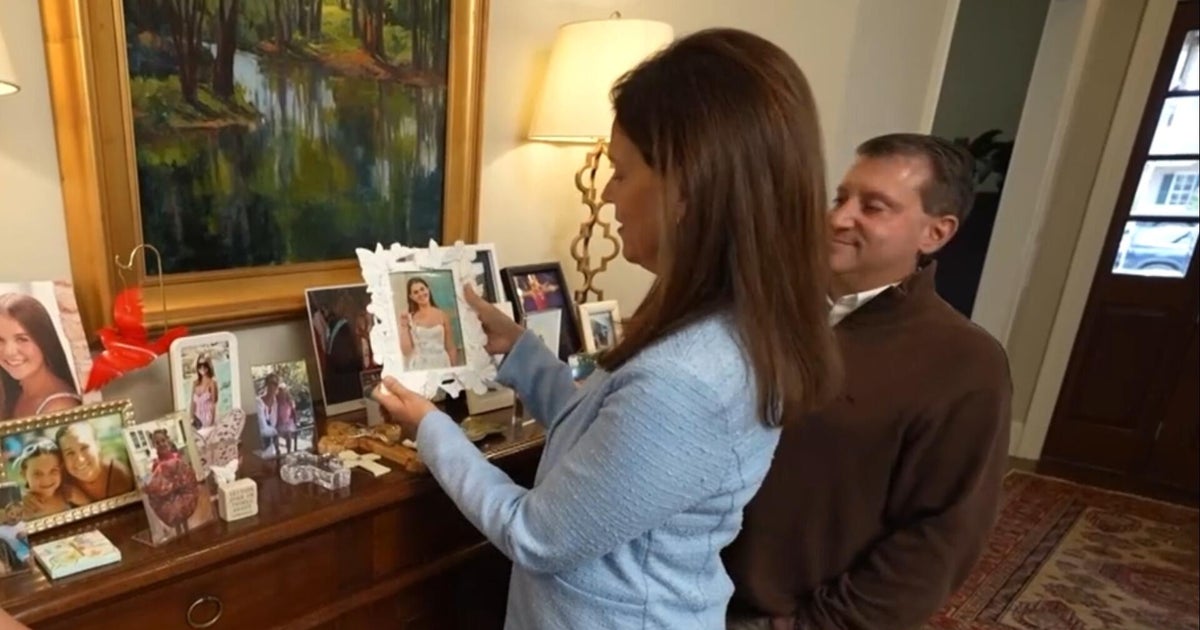
Nearly a year after losing their daughter in one of Texas’s deadliest natural disasters, Andrea and John Ferruzzo are speaking publicly for the first time about the devastating floods that claimed their 19-year-old daughter Katherine’s life. In an emotional television interview with CBS News, the Houston couple shared their grief, anger, and determination to prevent similar tragedies from happening to other families. Katherine Ferruzzo had been a camper and counselor at Camp Mystic for ten years, building memories and relationships that should have lasted a lifetime. Instead, she became the last victim recovered after catastrophic flooding swept through the Texas Hill Country camp during Fourth of July weekend last summer, killing 27 people at the camp and more than 135 across the region. “Katherine died a hero. She gave her life trying to save those little girls,” Andrea Ferruzzo said, her words carrying both pride and profound sorrow. The young woman, along with her co-counselor Chloe Childress and 25 campers, was swept away as floodwaters rose with terrifying speed during a torrential storm that transformed what should have been a celebration weekend into unimaginable tragedy.
A Preventable Tragedy and Controversial Reopening
The Ferruzzos firmly believe their daughter’s death, and the deaths of 26 others, could have been prevented with proper safety measures and planning. Their grief has been compounded by Camp Mystic’s announcement that it plans to reopen one of its two campuses this summer, enrolling children at the location farther from the river. The all-girls Christian summer camp continues to face legal challenges, with five lawsuits filed against it, including one from the family of 8-year-old Cile Steward, a young camper whose body has never been recovered—a heartbreaking reminder that some families don’t even have closure. When the Ferruzzos learned about the camp’s reopening plans, they were shocked and hurt, describing the decision as “very disrespectful” to the families still mourning their loved ones. “It just seems to me like it’s all just business, business as usual,” Andrea said with evident frustration. “How could they be ready to accept campers back to their camp without addressing all of the issues that led to the tragedy?” The camp’s director, Britt Eastland, has defended the decision, saying, “If we do it right, then the girls will have an amazing experience. They’ll gain so much by being together. It can be very healing.” Eastland’s own father, Richard “Dick” Eastland, served as camp director during the floods and also perished in the disaster while attempting to move children to safety, adding another layer of complexity to an already devastating situation.
Heaven’s 27: Turning Grief Into Action
Rather than allow their loss to be in vain, the families of the 27 victims have united under the name “Heaven’s 27” to push for meaningful legislative change. Their advocacy has already achieved significant results. In September, they helped pass groundbreaking legislation in Texas that prohibits camps from operating in FEMA-designated floodplains and requires annual emergency training for camp staff, among other safety measures. “We knew that change had to happen so that no other families send their children to camp only to have their child returned in a body bag,” Andrea Ferruzzo explained, her words capturing the urgency and pain driving their mission. While the new Texas law represents progress, the Ferruzzos and other families believe much more needs to be done, not just in Texas but nationwide, to ensure that summer camps prioritize children’s safety above all else. The families’ activism has brought national attention to gaps in camp safety regulations that many parents never knew existed when they sent their children off for what they believed would be a safe, supervised summer experience.
The Need for Comprehensive Safety Measures
As Camp Mystic prepares to reopen, approximately 100 flood warning sirens are being installed along the Guadalupe River to provide earlier warnings in the event of rising water. While the Ferruzzos acknowledge this as a positive step, they insist it’s far from sufficient. “The sirens are a good start,” John Ferruzzo said. “But then, you must have an evacuation plan in place. The counselors have to be trained on what to do with their campers. There needs to be a communication system.” Their concerns reflect the hard lessons learned from the tragedy: warning systems are meaningless without comprehensive emergency response plans, properly trained staff who know exactly what to do when disaster strikes, and reliable communication systems that work even when conditions deteriorate rapidly. The Ferruzzos want to see camps held to higher standards, with regular drills, updated safety protocols, and accountability measures that ensure children’s lives are never put at unnecessary risk. They argue that families trust camps with their most precious possessions—their children—and that trust demands a level of preparedness and responsibility that goes far beyond what many camps currently provide.
The Katherine Ferruzzo Legacy: Honoring a Life Cut Short
Determined to channel their unbearable grief into something meaningful, Andrea and John Ferruzzo established the Katherine Ferruzzo Legacy Foundation to honor their daughter’s memory and continue the work she was passionate about. Katherine had been planning to start her freshman year at the University of Texas in Austin to study special education, with dreams of returning to Houston as a teacher dedicated to helping students with disabilities. In less than a year, the foundation has raised more than $1 million, a testament to how Katherine’s spirit and mission have touched people’s hearts. The foundation reimburses special education teachers for out-of-pocket expenses, addressing a significant problem in schools where special education classrooms often receive fewer resources than general education rooms. Volunteers regularly create sensory task kits—specialized learning tools for students with disabilities that typically cost schools more than $1,000 each—making these crucial educational resources accessible to more students who need them. Through this work, Katherine’s dream of helping children with special needs lives on, reaching far more students than she might have taught in a single classroom.
Finding Purpose Amid Unimaginable Loss
For the Ferruzzos, the foundation and their advocacy work provide something essential: a reason to keep going when grief threatens to overwhelm them. “Katherine was a doer, and she would want us to power through and do the work,” John Ferruzzo said, describing how honoring his daughter’s memory gives him the strength to face each day. Andrea echoed this sentiment: “Amidst this horrific grief, doing what Katherine would, that’s what gets me up and out of bed every day. To spread Katherine’s name and her legacy and to make her proud of us … at least gives us a purpose of why this happened.” Their words reveal the reality of grief—that there is no “getting over” such a loss, only finding ways to live with it and transform it into something that honors the person taken too soon. The Ferruzzos know they will never have their daughter back, will never see her graduate from college, become the teacher she dreamed of being, or experience the other milestones that should have been hers. But through their foundation and their advocacy for camp safety reform, they are ensuring that Katherine’s life—and her heroic final act of trying to save young campers—means something beyond the tragedy. They are parents who have endured every parent’s worst nightmare, yet they continue to fight so that other families might be spared their pain, proving that even in the darkest grief, the human spirit can find light through purpose, action, and love.