
A Young Girl’s Critical Battle: The Hidden Danger of Button Batteries
When Flu Symptoms Revealed a Life-Threatening Secret
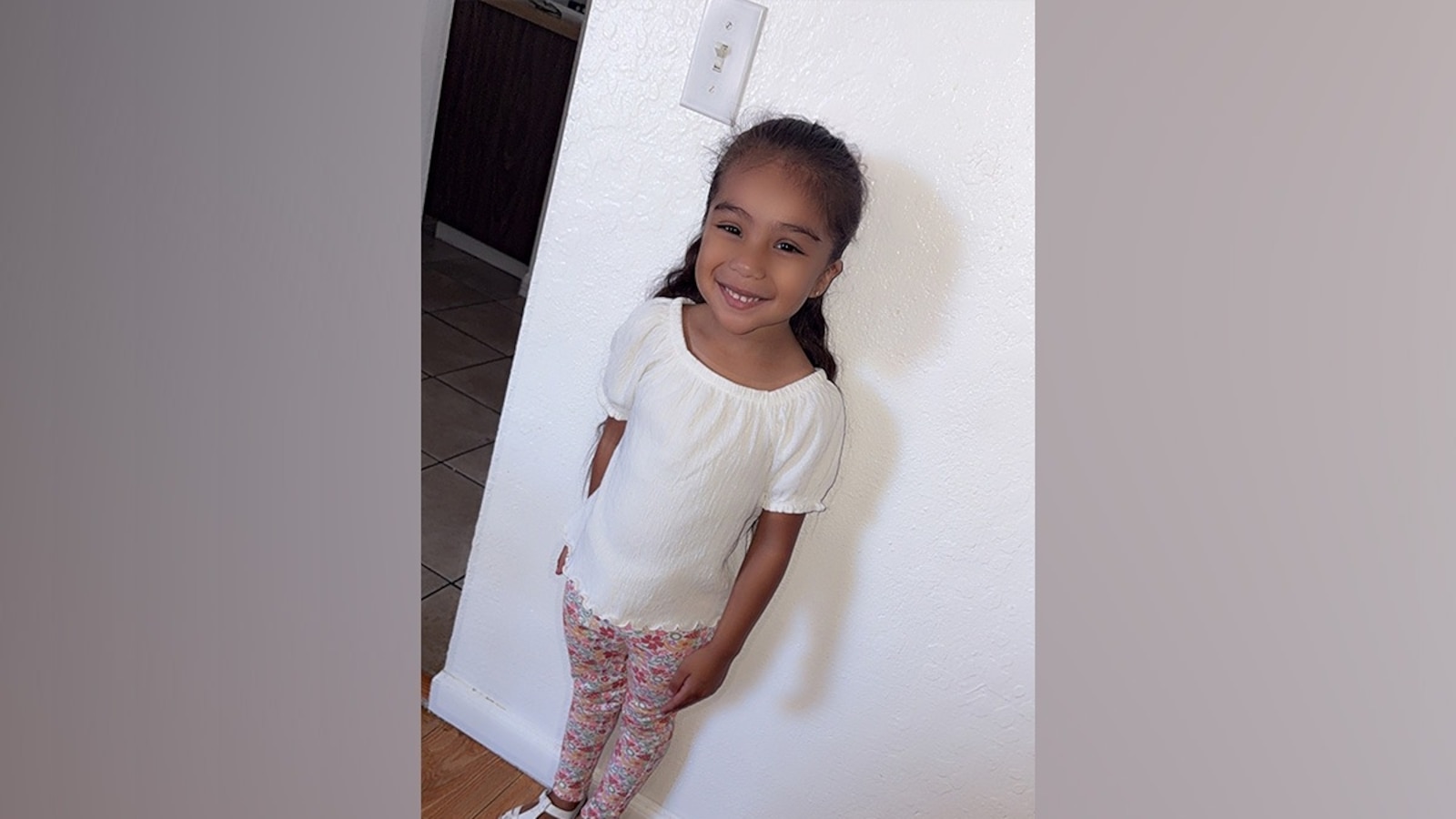
Four-year-old Camila Romero’s parents thought they were dealing with a typical childhood illness when their daughter began showing signs of the flu. The California preschooler had developed what seemed like ordinary symptoms—a persistent cough, fever, exhaustion, and a reduced appetite. Like countless parents before them, Cassandra Tafolla and Hugo Romero tried to comfort their little girl and encourage her to take medicine. But Camila kept complaining that she felt hot and resisted taking her medication, telling her worried mother that her throat burned and she was having trouble breathing. What started as what appeared to be a routine viral infection quickly transformed into every parent’s nightmare when doctors at Loma Linda University Children’s Hospital discovered the real culprit behind Camila’s distress on March 8th. Hidden inside her tiny body was a button battery—a small but incredibly dangerous object that had somehow been swallowed without anyone’s knowledge. The discovery shocked her parents and medical team alike, revealing a threat that many families don’t even realize exists in their homes.
The Shocking Discovery That Changed Everything
Dr. Harman Chawla, the medical director of the pediatric intensive care unit at Loma Linda University Children’s Hospital, was among the physicians treating young Camila. Initially, the medical team focused on addressing what they believed were respiratory virus symptoms. However, when doctors ordered an X-ray to better understand Camila’s condition, they made a startling discovery that completely changed the course of her treatment. The imaging revealed a button battery lodged in her body—something neither her parents nor the medical team had initially suspected. Dr. Chawla expressed his concern not just as a physician but as a parent himself, noting how frightening it was that Camila hadn’t been brought to the hospital because of swallowing something dangerous. She had come in because of a lung virus, which demonstrates just how quickly and silently these incidents can occur. He emphasized an important point that many parents might not realize: children don’t necessarily suck on these batteries before swallowing them. In many cases, the battery simply ends up in the mouth and is swallowed almost instantly, leaving no time for intervention or even awareness that something has gone wrong.
A Threat Hiding in Plain Sight
For Camila’s parents—24-year-old Cassandra Tafolla and 33-year-old Hugo Romero—learning about the button battery was completely unexpected. Romero admitted that while he had heard of button batteries, he didn’t believe they had anything in their home that used that type of power source. Tafolla was even less familiar with the danger, confessing that she honestly didn’t know what a button battery was and had no awareness of any items in their household containing them. This lack of awareness is unfortunately common among parents, yet the statistics reveal just how widespread this danger truly is. According to the National Capital Poison Center, a nonprofit organization that tracks these incidents, more than 3,500 people in the United States—including both children and adults—swallow button batteries every single year. These deceptively small batteries, particularly the 20-millimeter diameter lithium coin cells, are found in an astonishing number of everyday household items that many people would never suspect pose a danger. They power audio greeting cards that play music when opened, decorative jewelry pieces, remote controls for televisions and other electronics, children’s toys, and countless other common objects that might be within easy reach of curious young children.
The Devastating Damage These Tiny Objects Can Cause
The injuries caused by swallowing button batteries can range from severe to fatal, creating medical emergencies that require immediate intervention. Dr. Chawla explained the science behind why these small objects are so dangerous when ingested. Button batteries fundamentally change the chemical environment of the esophageal lining, the delicate tissue that lines the throat and connects the mouth to the stomach. This alteration in the body’s natural chemistry creates a progressive injury that continues to worsen over time, potentially damaging surrounding structures including critical blood vessels. The damage doesn’t stop once the battery is in place—it continues to erode and destroy tissue for as long as it remains in the body, creating wounds that can be difficult or impossible to fully heal. In Camila’s case, doctors performed emergency surgery to remove the battery from her small body, but that was only the beginning of her medical journey. Weeks after her admission to the hospital, the young girl remains sedated and in critical condition in the pediatric intensive care unit. She faces a dual battle: not only is she still fighting the respiratory virus that initially brought her to the hospital, but she’s also dealing with the extensive damage the battery caused to her airway, which resulted in significant inflammation and structural harm to her throat and breathing passages.
A Guarded Prognosis and a Family’s Hope
Dr. Chawla spoke candidly about Camila’s condition, describing her prognosis as “guarded”—medical terminology that indicates serious concern about a patient’s outcome. The four-year-old still faces a long and difficult healing process, with her medical team working around the clock to give her the best possible chance at recovery. While Dr. Chawla expressed optimism that they would be able to help Camila pull through this crisis, he was also realistic about the challenges ahead. He explained that many factors need to align perfectly, with the right treatments happening at precisely the right times, for her to achieve a positive outcome. The uncertainty is agonizing for her family, who maintain a vigil at her bedside while she remains unconscious and dependent on medical technology to support her damaged body. As Camila continues her hospital stay with no clear discharge date in sight, the financial burden on her family has become overwhelming. One of their relatives established an online fundraiser to help cover the mounting medical expenses and support the family’s basic living costs while they focus all their energy on their daughter’s recovery. Tafolla and Romero face the reality that many American families confronted with medical emergencies experience: the intersection of medical crisis and financial hardship, adding stress to an already devastating situation.
A Desperate Plea to Other Parents
In the midst of their daughter’s fight for life, Tafolla and Romero have found the strength to speak out, hoping that sharing Camila’s story might prevent another family from experiencing similar heartbreak. Their message to other parents is urgent and clear: button batteries represent a real and present danger that exists in homes across the country, often without parents’ awareness or understanding of the risk. Tafolla’s plea is both simple and critical: “Please double check your children’s toys.” She urges parents to carefully examine every toy and household item their children might access, ensuring that battery compartments are properly secured before allowing kids to play with them. This cautionary tale serves as a wake-up call about the hidden dangers lurking in everyday objects—items that seem harmless but can become life-threatening in seconds. The Romero family’s tragedy highlights a crucial gap in public awareness about button battery dangers. Many parents simply don’t know these batteries exist in so many common items, or they underestimate how quickly a child can access and swallow one. As young Camila continues fighting for her life, her family hopes that increased awareness might spare other children and families from similar trauma, transforming their painful experience into potentially life-saving knowledge for others.