
The Rock & Roll Hall of Fame Class of 2026: A Celebration of Musical Legends
A Star-Studded Announcement That Rocked the Music World
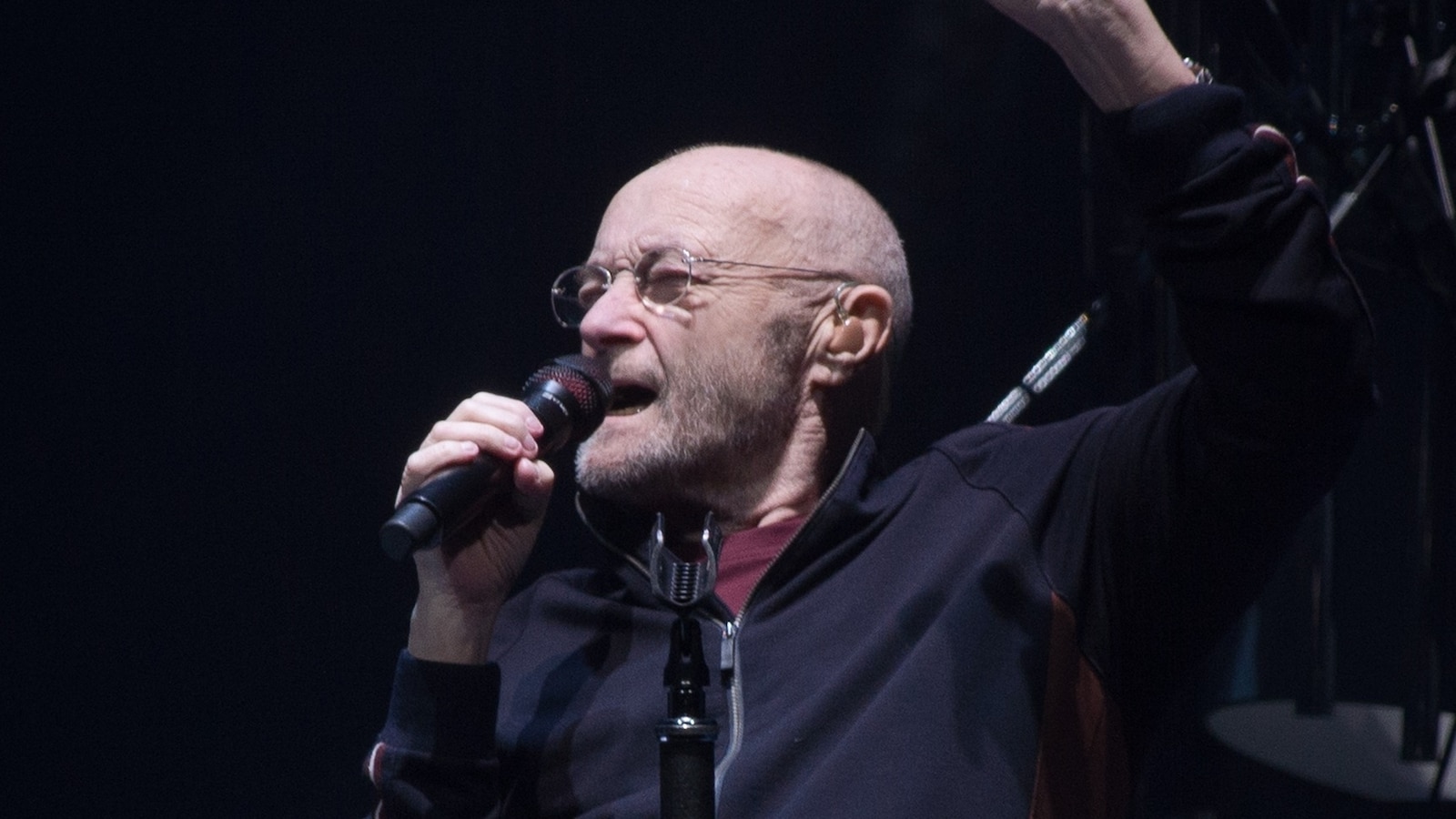
The music world received exciting news this Monday when the Rock & Roll Hall of Fame announced its 2026 class of inductees during a special Rock Hall-themed episode of “American Idol.” This year’s lineup represents an incredibly diverse cross-section of musical talent, spanning multiple genres and generations. Among the legendary artists receiving this prestigious honor are Phil Collins, Billy Idol, Iron Maiden, and Oasis – names that have defined and redefined rock music over the past several decades. The announcement also recognized Joy Division/New Order, the sophisticated British soul ensemble Sade, the incomparable R&B vocalist Luther Vandross, and the groundbreaking hip-hop collective Wu-Tang Clan. This eclectic mix demonstrates how the Hall of Fame continues to evolve its definition of “rock and roll,” embracing the full spectrum of popular music that has shaped our cultural landscape. As John Sykes, chairman of the Rock & Roll Hall of Fame, enthusiastically stated, “Induction into the Rock & Roll Hall of Fame is music’s highest honor. We look forward to celebrating these remarkable artists at this year’s ceremony – it’s going to be an unforgettable night.”
Second Time Around: Phil Collins’ Return and Other Notable Journeys
For some of this year’s inductees, the recognition has been a long time coming, with varying paths to this prestigious achievement. Phil Collins holds the distinctive honor of being inducted for the second time – he previously entered the Hall in 2010 as a member of the progressive rock band Genesis, and now he’s being recognized for his phenomenally successful solo career. This dual recognition speaks volumes about Collins’ versatility as an artist who could thrive both as part of a collaborative unit and as an individual performer. Billy Idol, the platinum-blonde punk rocker who became an MTV icon in the 1980s, is finally getting his due on his second nomination, having been previously nominated just last year in 2025. His relatively quick success in gaining induction shows how strongly his influence continues to resonate. Meanwhile, Iron Maiden and Oasis both persevered through three nominations before finally breaking through, a testament to their dedicated fan bases and undeniable impact on rock music. Iron Maiden’s theatrical heavy metal and Oasis’s Britpop anthems may come from different corners of the rock universe, but both bands have left indelible marks on music history.
Beyond the Main Stage: Early Influence and Musical Excellence Awards
The Rock & Roll Hall of Fame doesn’t just recognize mainstream rock performers – it also honors those whose influence shaped the music we love in less obvious but equally important ways. This year’s Early Influence Award recipients represent a beautiful tapestry of musical innovation from around the world and across genres. The late Gram Parsons, who tragically died young but left an enormous legacy in country-rock music, will be honored alongside groundbreaking female rappers Queen Latifah and MC Lyte, who helped prove that hip-hop wasn’t just a boys’ club. The late Cuban singing sensation Celia Cruz, known as the “Queen of Salsa,” and Nigerian Afrobeat pioneer Fela Kuti round out this category, demonstrating how global sounds have influenced American rock and popular music. The Musical Excellence inductees focus on the behind-the-scenes masters who shaped the sound of countless hits: producers Linda Creed, Arif Mardin, Jimmy Miller, and Rick Rubin. Each of these producers brought their unique vision to the recording studio, helping artists realize their creative potential. Finally, the late Ed Sullivan, whose variety show introduced America to The Beatles and countless other musical acts, will receive the Ahmet Ertegun Award, recognizing his crucial role as a cultural gatekeeper who brought rock and roll into American living rooms.
The Ones Who Didn’t Make It This Time
As with any competitive selection process, the announcement of inductees inevitably means there were talented artists who didn’t make the cut this year. The 2026 nominees who will have to wait for another opportunity include The Black Crowes, INXS, Mariah Carey, Pink, New Edition, Melissa Etheridge, Lauryn Hill, Shakira, and the late Jeff Buckley. Each of these artists has made significant contributions to music, and their exclusion from this year’s class doesn’t diminish their achievements. The Black Crowes brought southern rock back into the mainstream consciousness in the 1990s, while INXS created sophisticated dance-rock that dominated the 1980s. Mariah Carey and Pink represent two different generations of powerful female vocalists who have sold millions of records and influenced countless other artists. New Edition helped define the sound of R&B in the 1980s and served as a launching pad for solo careers including Bobby Brown and New Edition. Melissa Etheridge’s raw, heartfelt rock and Lauryn Hill’s genre-defying artistry each deserve recognition, as do Shakira’s global impact and Jeff Buckley’s hauntingly beautiful music that continues to inspire artists decades after his untimely death. For these artists and their fans, there’s always hope for future nomination cycles.
What This Year’s Class Says About Rock’s Evolution
The 2026 inductee class tells us something important about how our understanding of “rock and roll” has matured and expanded over the decades since the Hall of Fame was established. When you look at the diversity of this year’s honorees – from Phil Collins’ pop-influenced rock and Billy Idol’s punk attitude to Iron Maiden’s heavy metal theatrics and Oasis’s Britpop swagger – it’s clear that rock music is an umbrella term covering an incredibly wide range of sounds and styles. The inclusion of Joy Division/New Order represents the art-rock and new wave movements that emerged from punk’s ashes, while Sade’s smooth, sophisticated soul proved that quiet intensity could be just as powerful as guitar-driven bombast. Luther Vandross brought R&B vocal excellence to a level rarely matched, and Wu-Tang Clan revolutionized hip-hop with their raw, kung-fu-influenced style and business acumen. Together, these artists represent not just different genres but different attitudes, different production approaches, and different ways of connecting with audiences. The Hall of Fame’s willingness to embrace this diversity shows a mature understanding that rock and roll was never just about guitars and drums – it was always about rebellion, innovation, and emotional authenticity, qualities that can manifest in countless musical forms.
Looking Ahead to November’s Ceremony
Music fans won’t have to wait too long to see these legendary artists receive their well-deserved recognition. The 2026 Rock & Roll Hall of Fame induction ceremony is scheduled for November 14th at the Peacock Theater in Los Angeles, promising to be a spectacular evening of performances, speeches, and celebrations. The event will be taped and broadcast in December on ABC and Disney+ (Disney being the parent company of ABC News), allowing fans worldwide to participate in the celebration even if they can’t attend in person. These ceremonies have historically produced memorable moments – emotional speeches, unexpected collaborations, and reunion performances that become instant classics. One can only imagine what this year might bring: Will Phil Collins perform despite his recent health challenges? Could we see surviving members of Joy Division join New Order on stage? Might Wu-Tang Clan bring their full crew together for a rare complete performance? Will anyone from the notoriously feuding Gallagher brothers of Oasis actually show up, and if so, will they be civil to each other? The anticipation itself is part of the excitement. This ceremony represents more than just an awards show – it’s a moment to reflect on how these artists have shaped our lives through their music, providing soundtracks to our most important memories and expressing feelings we sometimes couldn’t articulate ourselves. As we count down to November, we can celebrate not just these particular artists but the entire rich tradition of popular music they represent.