
A Journey Through Paris Fashion Week: Capturing the Magic of the Runway
The Essence of Parisian Style on Display
Paris Fashion Week stands as one of the most prestigious events in the global fashion calendar, and the latest edition has once again proven why the City of Light remains the undisputed capital of haute couture. The Associated Press photo editors have carefully curated a stunning collection of images that capture the essence, drama, and artistry of this remarkable week. These photographs tell a story that goes beyond clothing—they document moments of creative genius, cultural expression, and the continued evolution of an industry that shapes how we present ourselves to the world. From the grand halls of historic Parisian venues to intimate runway settings, each image serves as a window into a world where imagination meets craftsmanship, and where designers push the boundaries of what fashion can be.
The photographs featured in this collection showcase not just garments, but entire narratives constructed through fabric, color, silhouette, and presentation. Every frame captures the meticulous attention to detail that defines Paris Fashion Week—the way light catches on a sequined gown, the determined stride of a model navigating a challenging runway, the concentrated expression of a makeup artist applying the final touches backstage. These images remind us that fashion is a collaborative art form, bringing together designers, models, stylists, photographers, and countless other professionals who work tirelessly to create moments of beauty that last only minutes on the runway but resonate for seasons to come. The AP’s editorial eye has selected images that represent both the expected grandeur and the unexpected moments that make each Fashion Week unique.
Behind the Scenes: The Human Element of High Fashion
While the runway presentations capture the finished product, some of the most compelling photographs from Paris Fashion Week reveal what happens behind the curtain. These backstage images humanize an industry often perceived as untouchable or exclusive, showing the organized chaos, the last-minute adjustments, and the human connections that make each show possible. We see makeup artists working with focused intensity, their brushes moving with the precision of painters working on a canvas. Hair stylists create sculptural arrangements that complement the designer’s vision, transforming models into living works of art. Dressers carefully fasten garments worth thousands of dollars, ensuring every zipper, button, and fold sits exactly as intended.
The backstage photographs also capture the models themselves in moments of preparation and transition. Unlike the composed, often emotionless expressions required on the runway, these images show glimpses of the real people behind the fashion—a model checking her phone between shows, another laughing with a colleague, someone taking a quiet moment to gather themselves before stepping into the spotlight. These human moments are essential to understanding that while fashion may seem otherworldly, it is created by and for real people. The collaboration and camaraderie visible in these images speak to the professional relationships and mutual respect that develop in this high-pressure environment. There’s an intimacy to these photographs that contrasts beautifully with the polished spectacle of the runway, reminding viewers that creativity thrives in spaces where talented people work together toward a shared vision.
Runway Revolution: The Collections That Defined the Week
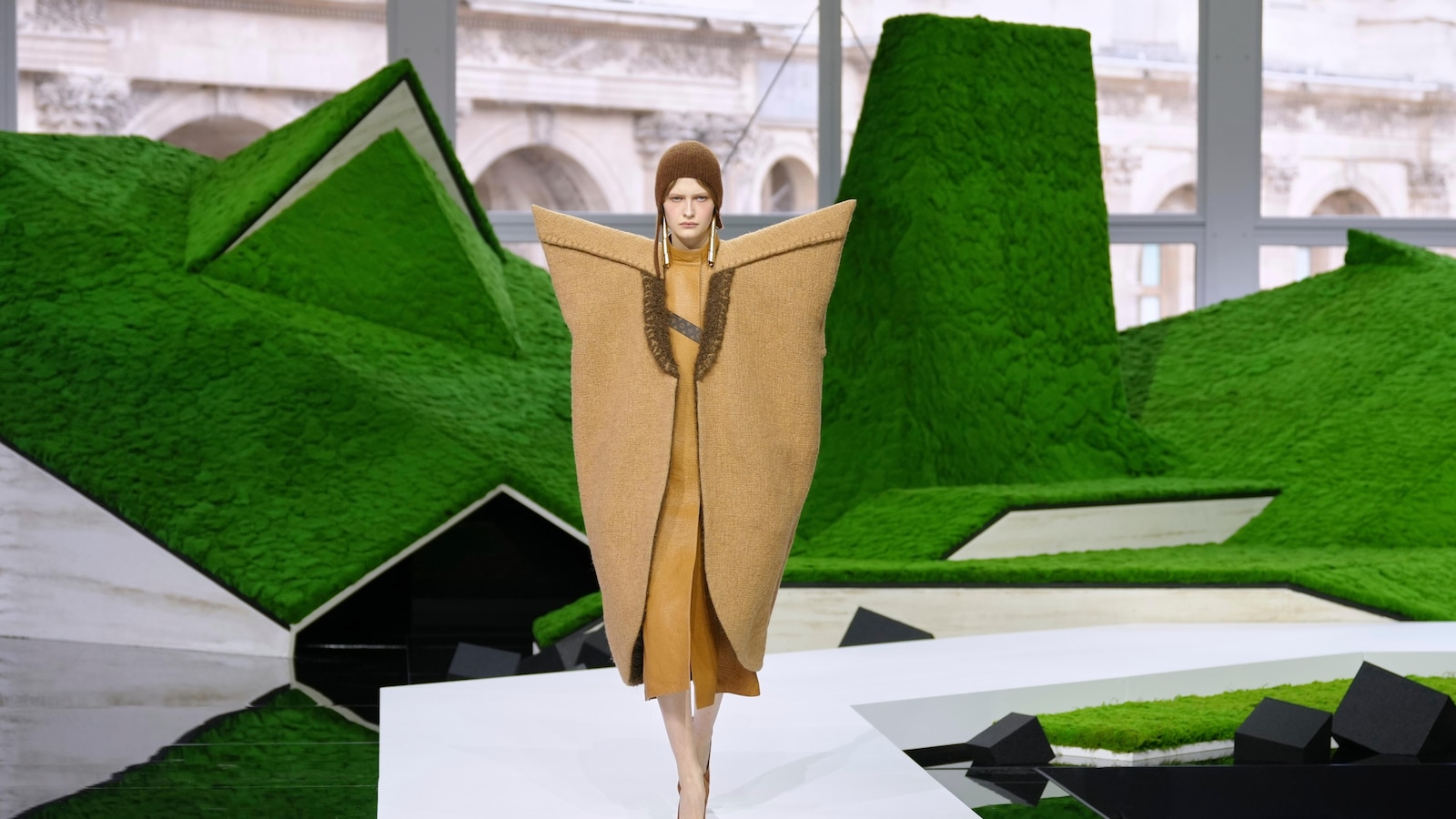
The heart of any Fashion Week lies in the collections themselves, and the photographs selected by AP editors showcase the incredible diversity of creative visions presented during this particular Paris season. From established heritage houses to emerging designers making their mark, each collection tells its own story through fabric and form. Some designers looked backward, reinterpreting historical silhouettes and traditional craftsmanship techniques for contemporary audiences. Others gazed firmly toward the future, experimenting with innovative materials, unexpected proportions, and conceptual presentations that challenged conventional notions of what clothing can be.
The images capture a remarkable range of aesthetics—from flowing, romantic designs featuring delicate lace and soft pastels to bold, architectural pieces in striking geometric shapes and vibrant colors. Some collections embraced maximalism, layering textures, patterns, and embellishments in exuberant displays of creative abundance. Others favored minimalism, using clean lines, neutral palettes, and subtle details to create looks of refined elegance. The photographs document how different designers approached fundamental questions: What is the purpose of clothing in today’s world? How should fashion respond to social and environmental concerns? What role does tradition play in an industry constantly seeking innovation? Through carefully composed shots that highlight specific details—the drape of a sleeve, the construction of a collar, the movement of fabric as a model walks—these images allow viewers to appreciate the technical skill and artistic vision that each piece represents.
The Models: Grace, Diversity, and Powerful Presence
The models who bring designers’ visions to life are central to Fashion Week’s impact, and the curated photographs pay appropriate tribute to these essential collaborators. The images capture not just beauty, but presence—the commanding way a model can transform a garment through movement, attitude, and energy. We see diverse representations of beauty across the runways, reflecting fashion’s ongoing (though still incomplete) journey toward greater inclusivity. Models of different ethnicities, body types, and ages appear in the collection, each bringing their own unique qualities to the garments they wear.
What makes these photographs particularly powerful is their ability to capture the split-second expressions and gestures that give runway presentations their emotional resonance. A slight tilt of the head, a determined gaze, the powerful swing of an arm—these subtle movements, frozen in time by skilled photographers, reveal the artistry that professional models bring to their work. The images also document the physical demands of the job: walking in challenging footwear, maintaining composure under intense scrutiny, quickly changing outfits and personas throughout a single show. Yet despite these challenges, the models in these photographs project confidence and professionalism, understanding that they are not merely wearing clothes but performing an essential interpretive role that helps designers communicate their creative visions to the world.
The Audience and Atmosphere: Witnessing Fashion History
Paris Fashion Week attracts a global audience of fashion insiders, celebrities, journalists, buyers, and enthusiasts, and the photographs capture the unique atmosphere created when these diverse groups gather to witness new collections. Some images show front-row attendees—celebrities, editors, and influencers whose presence generates publicity and whose opinions can influence a collection’s reception. Their expressions of surprise, delight, or contemplation as they watch the shows unfold add another layer of narrative to the visual story. Other photographs capture the venues themselves, from opulent historical buildings to innovative temporary structures, each location chosen to complement and enhance the designer’s creative vision.
The images also document the rituals and rhythms that define Fashion Week: the anticipation before a show begins, the collective focus as the first model appears, the burst of photography and applause as the finale approaches, and the designer’s appearance for a final bow. These moments represent the culmination of months or even years of work, and the photographs preserve both the glamour and the genuine emotion of these presentations. Whether showing a packed house at a major brand’s show or a more intimate gathering for an emerging designer, these images convey the electric atmosphere that makes Paris Fashion Week such a significant cultural event, where creative risks are taken, trends are born, and fashion’s future direction begins to take shape.
Lasting Impressions: Fashion as Art and Cultural Commentary
The final aspect that makes this curated collection so valuable is its documentation of fashion as cultural expression rather than merely commercial product. The photographs selected by AP editors consistently highlight moments where fashion transcends its practical purposes to become art, commentary, or social statement. Some images capture designs that reference current events, environmental concerns, or social movements, showing how designers use their platforms to engage with the world beyond fashion. Other photographs showcase the pure artistic experimentation that Paris Fashion Week enables—conceptual pieces that may never be worn on the street but push creative boundaries and inspire innovation across the industry.
These images will serve as historical documents, allowing future generations to understand not just what people wore or wanted to wear in 2026, but what values, anxieties, and aspirations characterized this particular cultural moment. The photographs capture fashion at its most ambitious—when it dares to be more than functional, when it aspires to beauty, meaning, and transformation. By carefully curating this selection, AP photo editors have created more than a simple record of a fashion event; they’ve assembled a visual narrative about creativity, craftsmanship, and the enduring human desire to express ourselves through what we wear. Paris Fashion Week, as seen through these images, emerges as a celebration of possibility, a space where imagination is given physical form and where the boundary between art and everyday life becomes beautifully, intentionally blurred.