
Rock & Roll Hall of Fame 2025: Pop Icons and Music Legends Receive Their Moment
A Star-Studded Class of Nominees
The Rock & Roll Hall of Fame has unveiled its latest roster of potential inductees, and this year’s list reads like a who’s who of musical excellence spanning multiple decades and genres. With 17 nominees vying for recognition, the 2025 class represents an exciting blend of first-time hopefuls and artists returning for another shot at immortalization. Among the notable names competing for induction this fall are global superstars Pink, Phil Collins, Shakira, and Mariah Carey, alongside pioneering groups like Wu-Tang Clan and INXS. What makes this year particularly intriguing is that 10 of these nominees are appearing on the ballot for the very first time, bringing fresh energy to an institution that has long celebrated the evolution of popular music. The diversity of this year’s nominees—from heavy metal legends to R&B icons, from Latin music pioneers to alternative rock trailblazers—reflects the increasingly inclusive definition of what constitutes “rock and roll” in the modern era. As music fans eagerly await the announcement of this year’s inductees in April, followed by the ceremonial induction in fall, the conversation around who truly deserves a place in this hallowed hall has never been more vibrant or contested.
First-Time Nominees Making Their Mark
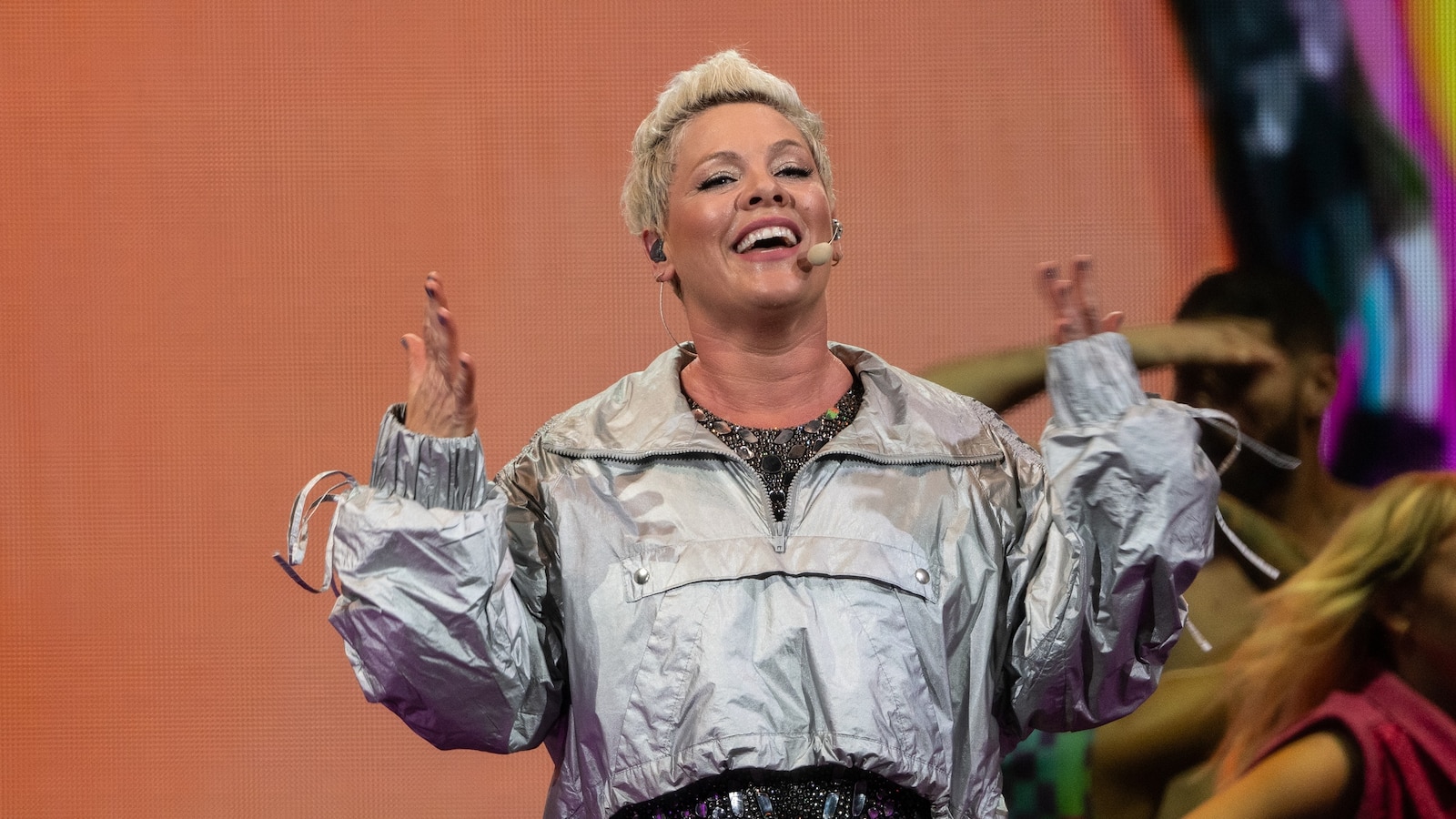
Among the fresh faces on this year’s ballot, several artists stand out not just for their commercial success but for their profound impact on music and culture. Pink, born Alecia Moore, has built a career that defies easy categorization, blending pop sensibilities with rock attitude in a way that has resonated with millions worldwide. Her accomplishments speak volumes: she’s won Grammy Awards in both pop and rock categories, demonstrating her versatility and cross-genre appeal. Perhaps most impressively, she holds the distinction of having produced the second-highest-grossing tour by a female artist in history, trailing only Taylor Swift’s record-breaking Eras Tour. This achievement underscores not just her popularity but her enduring connection with fans who pack stadiums year after year to experience her high-energy performances and aerial acrobatics.
Phil Collins represents a unique case among this year’s nominees, as he’s already enshrined in the Hall of Fame as a member of the legendary progressive rock band Genesis. However, his nomination this year recognizes his phenomenal solo career, which produced some of the most iconic songs of the 1980s and 1990s. Collins belongs to an exceptionally exclusive club—he’s one of only three recording artists who have sold over 100 million records both as a solo performer and as a member of a band, sharing this rare distinction with Paul McCartney and Michael Jackson. His trophy case overflows with accolades, including multiple Grammy Awards, an Academy Award for Best Original Song, and two Golden Globe Awards. Collins’s influence extends beyond mere sales figures; his distinctive drum sound and emotionally resonant songwriting helped define the sonic landscape of popular music for an entire generation.
Shakira’s first-time nomination acknowledges her role as a true global ambassador for Latin music. The Colombian superstar has been instrumental in bringing Latin rhythms and Spanish-language songs to mainstream audiences worldwide, breaking down cultural and linguistic barriers that once seemed insurmountable in the music industry. Her achievements are staggering: four Grammy Awards, 15 Latin Grammy Awards, and a current ranking at No. 5 on the all-time list of highest-grossing tours by women, thanks to her Las Mujeres Ya No Lloran World Tour, which launched in February 2025 and concludes this April. Shakira’s ability to seamlessly blend Latin, rock, pop, and dance elements has created a signature sound that’s both distinctly her own and universally appealing. Melissa Etheridge rounds out the first-time nominees with a career built on authentic rock and roll grit, powerful vocals, and unflinching honesty. Beyond her commercial success and multiple Grammys and an Oscar, Etheridge has used her platform to advocate for LGBTQ+ rights and breast cancer awareness, becoming as influential for her activism as for her music.
The Returning Contenders
Several artists are back on the ballot after failing to secure induction in previous years, and their return highlights both the competitive nature of Hall of Fame selection and the ongoing debate about who belongs in this exclusive club. Mariah Carey, one of the bestselling music artists of all time with a five-octave vocal range and a string of record-breaking hits, continues her quest for recognition. Her influence on contemporary R&B and pop is undeniable, yet she’s faced the difficult reality that not every commercially successful artist gains immediate Hall of Fame acceptance. Similarly, the smooth, sophisticated sound of Sade has earned a devoted following and critical acclaim for decades, yet the British-Nigerian singer has yet to receive the Hall’s official stamp of approval.
Billy Idol, the punk-turned-pop icon who brought rebellious energy to MTV’s golden age, returns to the ballot alongside British rock band Oasis, whose Britpop anthems defined the 1990s for a generation of fans. The Black Crowes, who revitalized Southern rock for modern audiences, also find themselves in contention once again. Perhaps most intriguing among the returnees is Iron Maiden, the heavy metal legends whose elaborate stage shows, complex compositions, and dedicated fanbase have made them one of the genre’s most enduring acts. Their repeated appearances on the ballot without induction have become a point of frustration for metal fans who argue that the Hall of Fame has historically undervalued harder rock genres. Joy Division and New Order, listed together as a single nominee, represent a fascinating case of musical evolution, as New Order rose from the ashes of Joy Division following singer Ian Curtis’s tragic death, transforming post-punk darkness into dance-floor-ready new wave.
Recognition for Musical Pioneers No Longer With Us
This year’s ballot also includes heartfelt recognition for artists whose contributions can now only be celebrated in retrospect. Luther Vandross, the late R&B superstar whose velvety voice and romantic ballads became the soundtrack to countless special moments, receives a well-deserved nomination. Vandross’s influence on R&B vocalists cannot be overstated—his technical precision, emotional delivery, and sophisticated production set standards that artists still aspire to today. Despite health challenges that plagued his later years, Vandross created a body of work that remains timeless, with songs like “Dance with My Father” continuing to move listeners decades after their release.
Jeff Buckley, the gifted singer-songwriter whose life was tragically cut short at age 30, also appears on the ballot for the first time. Buckley’s haunting voice and his transformative cover of Leonard Cohen’s “Hallelujah” have achieved legendary status, influencing countless musicians despite his limited recorded output. His only complete studio album, “Grace,” is now considered a masterpiece, and his nomination acknowledges the profound impact he had during his brief career and the enduring influence he continues to exert on artists across genres. These posthumous nominations remind us that the Hall of Fame serves not just to celebrate commercial success but to preserve the legacy of artists whose musical innovations deserve remembrance.
Hip-Hop and Alternative Representation
The inclusion of Wu-Tang Clan among this year’s first-time nominees represents an important moment for hip-hop’s recognition within the Rock & Roll Hall of Fame. The legendary Staten Island collective revolutionized rap music in the 1990s with their gritty production, martial arts imagery, and business innovations that included solo careers for each member while maintaining group cohesion. Wu-Tang’s influence extends far beyond music into fashion, film, and popular culture more broadly. Their nomination acknowledges hip-hop not as a separate category but as an integral part of rock and roll’s evolutionary story.
Similarly, INXS’s first-time nomination recognizes the Australian rock band’s contribution to the new wave and alternative rock movements of the 1980s and early 1990s. With charismatic frontman Michael Hutchence leading the charge, INXS created infectious, danceable rock that dominated radio and MTV, bridging the gap between rock credibility and pop accessibility. New Edition’s nomination celebrates the group’s role in shaping contemporary R&B and their influence on boy bands that followed, from Boyz II Men to *NSYNC and beyond. The Boston-based group launched the careers of Bobby Brown, Ralph Tresvant, and later, members of Bell Biv DeVoe, creating a legacy that extends through multiple generations of R&B artists.
The Road Ahead
The announcement of this year’s inductees in April will undoubtedly spark conversations, celebrations, and perhaps some disappointments among music fans. The induction ceremony that follows in the fall promises to be a spectacular celebration of musical achievement, bringing together legends from different eras and genres for performances and tributes. What’s particularly exciting about this year’s class is how it reflects the evolving understanding of what “rock and roll” means—not just a specific musical style, but a spirit of innovation, rebellion, and authentic expression that manifests across pop, R&B, hip-hop, metal, and beyond. Whether all these deserving artists make it into the Hall this year or must wait for future consideration, their nominations alone represent recognition of their undeniable contributions to music history. As the Rock & Roll Hall of Fame continues to expand its definition of worthiness, these 17 nominees remind us that great music transcends genre labels, connecting with audiences on emotional levels that statistics alone cannot measure.