


5 Million Americans Face Student Loan Collections After Five-Year Pause
The Return of Defaulted Loan Collections
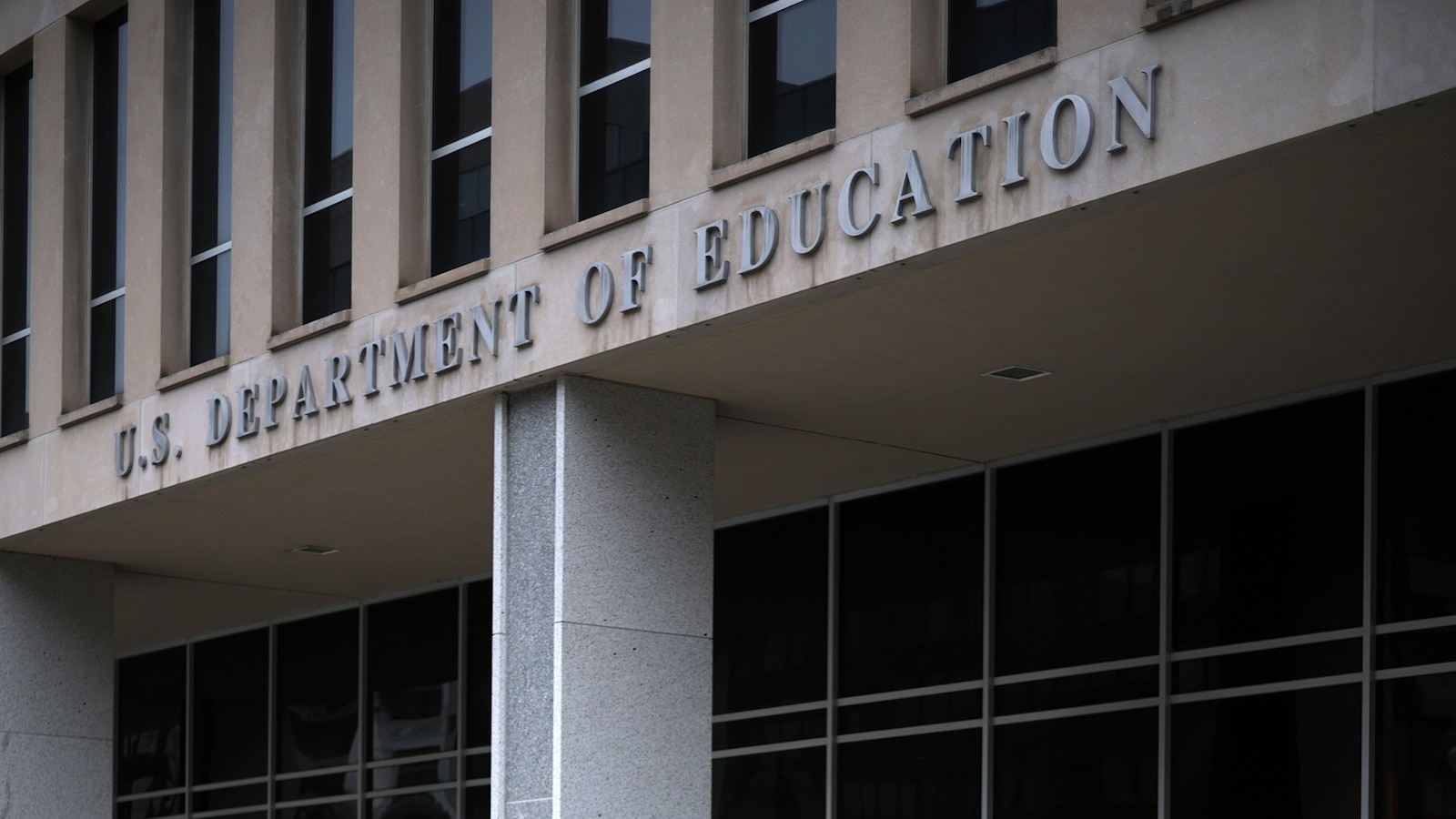
After a five-year hiatus that began during the COVID-19 pandemic, the U.S. Department of Education has announced a significant shift that will affect millions of Americans struggling with student debt. Starting May 5th, approximately 5 million borrowers who had defaulted on their student loan payments before the pandemic will see their debts sent to collections. This marks a major turning point in federal student loan policy, as these are borrowers who had stopped making payments for roughly nine months—or 270 days—before COVID-19 brought economic life to a standstill. The original payment pause was implemented in 2020 during President Trump’s first term as a relief measure to help Americans weather the financial storm of the pandemic. Now, as the country has moved beyond the acute phase of COVID-19, the government is resuming its collection efforts on these long-outstanding debts, affecting a substantial portion of the 43 million total student loan borrowers nationwide.
Concerns Over Timing and Department Capacity
The timing of this collections restart has raised serious concerns among education policy experts, particularly because it coincides with massive staffing cuts at the Department of Education. As part of President Trump’s current administration’s efforts to potentially eliminate the agency, scores of Federal Student Aid (FSA) employees have been terminated, leaving the department operating with significantly reduced capacity just as millions of borrowers need guidance navigating their return to repayment. James Kvaal, who served as Under Secretary of Education in previous administrations, expressed alarm about this confluence of events. “The concern is that the department is cutting the people who would help borrowers make this transition,” Kvaal explained. He emphasized that borrowers seeking assistance with affordable repayment plans or applying for loan forgiveness programs simply don’t have access to the same level of support they had before the department’s staff was slashed by half. This creates a perfect storm scenario: millions of already-struggling borrowers facing collections at precisely the moment when the infrastructure designed to help them has been dismantled.
The Human Cost of Default
For individual borrowers, defaulting on student loans isn’t just a minor inconvenience—it can have devastating and long-lasting consequences that ripple through every aspect of their financial lives. Kvaal described defaults as potentially “tragic” for borrowers, outlining the severe penalties they face. A defaulted student loan can destroy a person’s credit score, making it nearly impossible to secure housing, buy a car, or obtain credit cards with reasonable interest rates. The damage to creditworthiness can persist for years, effectively locking people out of financial opportunities and stability. Beyond credit damage, defaults can jeopardize future access to student aid, potentially preventing borrowers or their children from pursuing further education. Perhaps most shockingly, several states have laws on the books that allow for the revocation of professional licenses or even driver’s licenses over student loan defaults. This means that defaulting could literally prevent someone from getting to work or practicing their profession—creating a vicious cycle where the very means of earning money to repay the debt is taken away as punishment for not repaying the debt.
The Administration’s Rationale and Collection Methods
The Department of Education, under Secretary Linda McMahon’s leadership, has framed this collection effort as a matter of fiscal responsibility and legal obligation. The administration argues that resuming collections protects taxpayers from shouldering the burden of loans that borrowers “willingly” took on. McMahon specifically criticized what she called the “irresponsible student loan policies” of the Biden administration, stating that the executive branch lacks constitutional authority to simply wipe debt away and that previous forgiveness efforts had already transferred “hundreds of billions” of dollars to taxpayers. According to the department’s release, moving forward with collections is necessary both for borrowers’ own financial health and for the nation’s economic outlook. The actual collection process itself can be quite aggressive and intrusive. Once a loan officially enters default status after 270 days of non-payment, it becomes eligible for mandatory collections. The most common method is wage garnishment, a legal process where employers are court-ordered to withhold a portion of an employee’s earnings and send it directly to pay the debt. Additionally, the government can offset tax refunds—meaning that refund you were counting on simply disappears to pay your student loan debt—and can even garnish federal benefits, including Social Security payments, according to Kvaal.
Critics Warn of Economic Chaos for Working Families
Consumer advocates and borrower protection organizations have responded to the collection announcement with alarm, warning that the policy will inflict unnecessary suffering on struggling Americans. Mike Pierce, Executive Director of the Student Borrower Protection Center, delivered a scathing assessment of the administration’s approach. He argued that by moving forward with collections at this particular moment, the Trump administration is blocking these borrowers’ path out of default rather than helping them recover. Pierce characterized the policy as feeding vulnerable borrowers into the “maw of the government debt collection machine,” calling it “cruel, unnecessary and will further fan the flames of economic chaos for working families across this country.” The criticism highlights a fundamental disagreement about the best approach to student debt: whether the priority should be maximizing debt recovery for taxpayers or providing pathways for borrowers to regain financial stability. Critics argue that pushing millions of already-struggling borrowers into aggressive collections will destabilize household finances across the country, potentially triggering broader economic ripple effects as these families cut spending, default on other obligations, and face the various penalties that come with student loan default.
Uncertainty About the Future of Student Loans
Adding another layer of complexity and concern to an already fraught situation is the Trump administration’s plan to fundamentally restructure how student loans are administered. The president has announced intentions to move the massive $1.6 trillion student loan portfolio away from the Department of Education to other agencies, specifically mentioning the Small Business Administration as the new home for these programs, with the transfer to happen “immediately.” This represents an enormous administrative undertaking that would reshape the entire student loan system. Kvaal, drawing on his experience working on similar transfers during the Obama administration, warned that such a reorganization at this critical juncture could have serious real-world consequences. “We’re at a point now where millions of borrowers are late on their student loans,” he noted. “For the department to be focused on laying off half its staff and going through a fundamental reorganization of how it administers these programs in really critical weeks for borrowers who are trying to get into repayment plans or get loan forgiveness, I think it’s very dangerous and puts at risk millions of borrowers of going into default on their loans.” Despite these concerns, the Department of Education has stated that the collections effort will be accompanied by a comprehensive communications and outreach campaign designed to help borrowers understand their options for returning to repayment or getting out of default. Whether this outreach will be effective given the staffing cuts, and whether the promised support will materialize as the department undergoes massive restructuring, remains to be seen. For the 5 million Americans facing collections starting May 5th, the coming weeks will be critical in determining whether they can navigate back to good standing or will be swept into the debt collection system with all its harsh consequences.