


A Federal Worker’s Heartbreaking Choice: When Duty Meets Desperation
The Impossible Decision of a Devoted Father
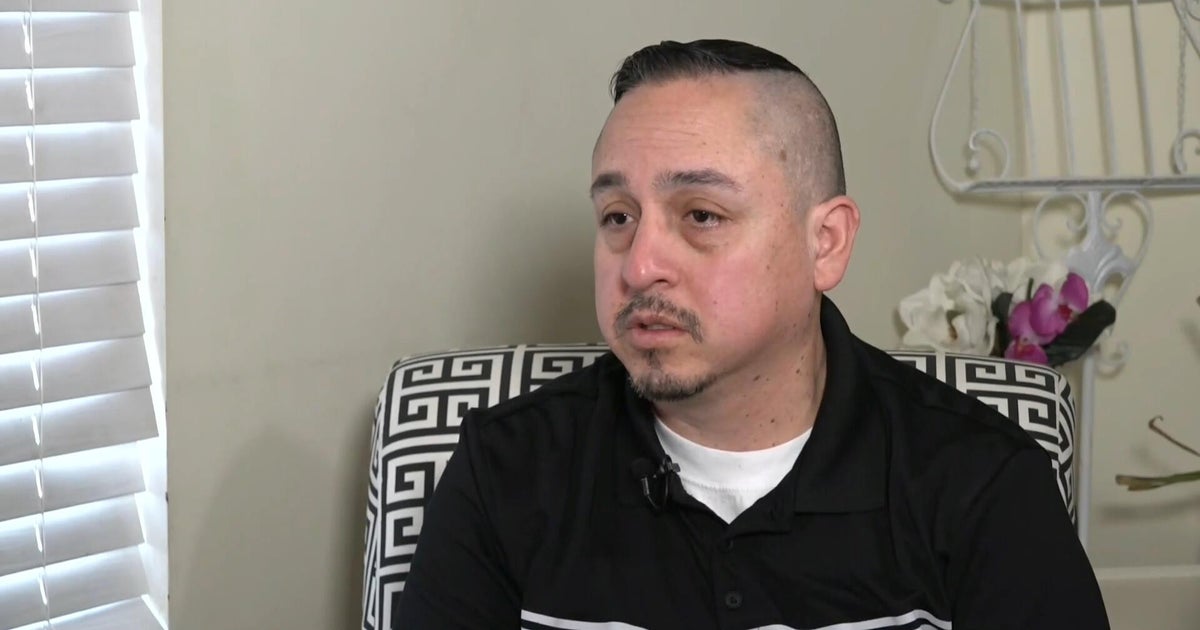
After dedicating nine years of his life to keeping America’s airports safe, Robert Echeverria found himself facing a decision that no dedicated public servant should ever have to make. As a Transportation Security Administration officer at Salt Lake City International Airport, Echeverria had built a career he was proud of, working alongside colleagues he respected and serving a mission he believed in. But as the partial government shutdown stretched into its fourth week with no end in sight, the father of three realized that devotion to duty couldn’t put food on his family’s table. With mounting bills, dwindling savings, and the emotional toll of watching his wife break down in tears every night wondering how they would survive, Echeverria made the gut-wrenching choice to resign from a job he loved. His story isn’t unique—it’s emblematic of a growing crisis affecting hundreds of federal workers who are being forced to choose between their careers in public service and their responsibility to their families. The human cost of political gridlock has never been more painfully clear than in the faces of workers like Echeverria, who represent just one of more than 300 TSA officers who have quit since the shutdown began, according to agency statistics.
The Emotional Toll Behind the Statistics
What makes Echeverria’s story particularly heart-wrenching isn’t just the professional sacrifice—it’s the deeply personal anguish that led to his decision. In his own words, watching his wife’s nightly struggle became unbearable. Night after night, he witnessed her tears as she grappled with questions that no family in one of the world’s wealthiest nations should have to ask: “How am I going to feed my family? How am I going to survive?” For Echeverria, this wasn’t about political positions or budget negotiations—it was about the very real stress tearing apart his household. The weight of being unable to provide for his three children while continuing to show up for work every day, performing essential security duties without compensation, became too much to bear. “I love the agency. I love the people that I worked with,” Echeverria explained, his words revealing the genuine affection he held for his career. “But my family has to come first.” This simple statement captures the impossible position in which hundreds of thousands of federal workers have found themselves—torn between professional commitment and familial obligation, between patriotic duty and basic survival.
The Financial Reality of America’s Airport Guardians
Understanding why TSA officers like Echeverria are particularly vulnerable to the shutdown requires examining the financial realities these workers face. TSA officers rank among the lowest-paid employees in the entire federal government, with average annual salaries ranging between $45,000 and $55,000. In many American cities, especially those with major airports and correspondingly higher costs of living, these wages barely qualify as middle-class income. These are the men and women responsible for screening every passenger, checking every bag, and serving as the first line of defense against potential threats to aviation security. They work long hours, often on their feet, dealing with stressed travelers and maintaining constant vigilance. Yet their compensation reflects neither the importance of their mission nor the challenging nature of their work. When the shutdown stretched into its fourth week, these workers faced their first full missed paycheck—a financial blow that families living paycheck to paycheck simply cannot absorb. Without substantial savings cushions, many TSA officers found themselves immediately facing housing insecurity, food insecurity, and the cascading consequences of missed bill payments. The shutdown transformed dedicated public servants into unwilling participants in a crisis not of their making.
A System Under Strain: The Ripple Effects of Mass Absences
As financial pressure mounted on TSA officers nationwide, the predictable happened: workers started calling in sick in unprecedented numbers. The data tells a stark story—sick calls among TSA employees more than doubled during the shutdown, creating a cascading crisis throughout America’s airport security infrastructure. At Houston’s William P. Hobby Airport, the situation reached critical mass when more than half of the TSA officers called out, resulting in wait times that topped three hours and creating chaos for thousands of travelers. Philadelphia International Airport was forced to temporarily close an entire security checkpoint due to insufficient TSA staffing, while other airports scrambled to maintain even minimal operations. The situation became so dire that airports themselves began taking extraordinary measures to support the workers who hadn’t quit or called in sick. Denver International Airport made a public plea on social media, asking for donations of $10 and $20 grocery store and gas gift cards to help support TSA employees working without pay. The image of America’s airports—symbols of technological advancement and national infrastructure—setting up food pantries for their own security workers represents a profound failure of governance and a human tragedy unfolding in real time.
The Security Implications of a Weakened Workforce
Beyond the human suffering and operational disruptions, the TSA staffing crisis raises alarming questions about national security. Former TSA Administrator John Pistole didn’t mince words when addressing the potential dangers of the situation: “It does concern me about the possibilities of operatives, bad guys who are wanting to try to exploit a perceived vulnerability because there’s not as many people at TSA showing up for work.” This concern highlights a troubling paradox—the very shutdown ostensibly justified by border security concerns has created vulnerabilities in the nation’s aviation security system. Fewer officers means less thorough screening, longer wait times that pressure remaining staff to work faster rather than more carefully, and potential gaps that could be exploited by those with malicious intent. The resignation of experienced officers like Echeverria, who brought nine years of expertise to his position, represents not just a loss of staffing numbers but a loss of institutional knowledge and trained judgment that cannot be quickly replaced. Each departing officer takes with them years of experience in threat recognition, suspicious behavior detection, and the countless subtle skills that come only with time on the job. The question becomes: at what point does the political cost-benefit calculation of a shutdown become outweighed by the very real security costs it imposes?
The Broader Message: When Government Service Becomes Unsustainable
Robert Echeverria’s story and the broader TSA staffing crisis illuminate fundamental questions about how America values public service and treats those who dedicate their careers to it. The willingness of workers to continue showing up for jobs that aren’t paying them speaks to a deep sense of duty and professionalism. But that dedication has limits, particularly when families are suffering. As the Senate prepared to vote yet again on measures to fund the Department of Homeland Security, the human cost of congressional gridlock continued to mount. Each day of the shutdown represented another day of impossible choices for federal workers—whether to drain retirement accounts, max out credit cards, visit food pantries, or simply quit and find employment that actually provides a paycheck. The resignation of more than 300 TSA officers represents not just a staffing challenge but a warning sign about the sustainability of treating essential federal workers as political pawns. When people like Echeverria—dedicated professionals who love their jobs and the colleagues they work with—feel forced to walk away from careers they’ve invested years in building, something has gone fundamentally wrong in how government functions. The tears Echeverria’s wife shed each night aren’t just one family’s private pain—they’re a symptom of a system that has normalized using hundreds of thousands of workers’ livelihoods as bargaining chips in political negotiations. Until that changes, America will continue to lose dedicated public servants who simply cannot afford to keep serving.