


Former Capitol Riot Prosecutors Push Congress to Investigate Immigration Enforcement Misconduct
A Strategic Blueprint for Congressional Action
In an unprecedented move, six former federal prosecutors who previously led investigations into the January 6th Capitol insurrection have developed a comprehensive strategy memo urging Congress to examine potential misconduct by federal immigration agents. These legal professionals, who departed the Justice Department following President Trump’s 2025 inauguration, are applying their expertise from managing America’s largest criminal prosecution to a new concern: allegations of excessive force and violations by U.S. Immigration and Customs Enforcement (ICE) agents, particularly incidents that occurred in Minneapolis. The four-page document, obtained by CBS News, represents a significant effort to hold federal law enforcement accountable when the executive branch appears unwilling to do so. The memo draws explicit parallels between the investigation techniques that successfully prosecuted over 1,500 defendants connected to the Capitol attack—during which more than 140 police officers sustained injuries—and the approach Congress should take in examining immigration enforcement actions. This recommendation comes at a critical juncture when questions about the balance between enforcement authority and civil liberties have taken center stage in American political discourse.
The Minneapolis Incidents That Sparked Action
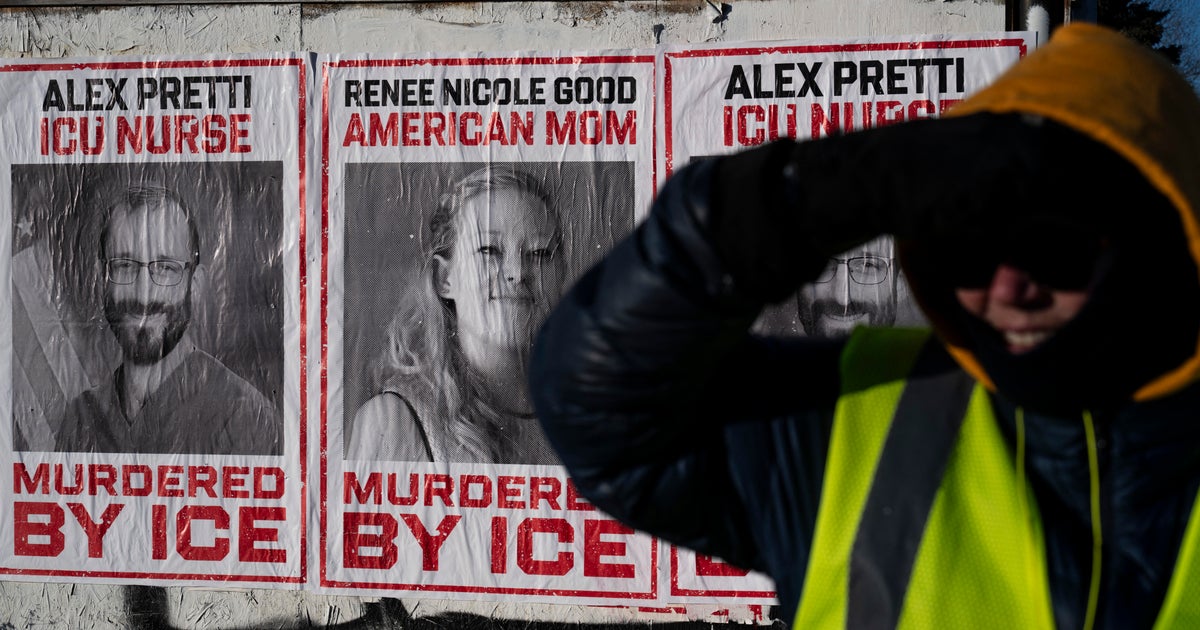
The catalyst for this prosecutorial intervention was the tragic killings of Renee Good and Alex Pretti in Minneapolis at the hands of immigration enforcement agents. These cases have become flashpoints in the broader debate about immigration enforcement tactics, particularly because of the Justice Department’s response—or lack thereof. In Good’s case, the Department of Justice explicitly declined to open an investigation into the agent responsible for her death. Meanwhile, officials faced harsh criticism for their ambiguous and equivocating statements regarding whether they would investigate Pretti’s killing. For the former prosecutors, this reluctance to pursue accountability represents a troubling departure from equal justice under law. The memo they’ve crafted doesn’t just express concern; it provides a detailed roadmap for Congressional committees to step into the investigative void left by the executive branch. By sharing their recommendations with ranking members of the House Homeland Security Committee, House Judiciary Committee, and House Oversight Committee, these former Justice Department attorneys are essentially saying that if the traditional channels of accountability have been blocked, Congress must activate its constitutional oversight powers to ensure that no federal agent is above the law.
Lessons from January 6th Applied to Immigration Enforcement
The former prosecutors’ approach is notable for its practical application of lessons learned during the Capitol insurrection investigations. They recommend that Congress assemble a team of former FBI and Homeland Security agents who possess intimate familiarity with “use of force” policies—experts who understand both the legitimate needs of law enforcement and the boundaries that separate appropriate action from misconduct. The memo makes a pointed observation about current conditions: “You benefit from the fact that many career agents and prosecutors have already left the FBI and Department of Justice, or plan to do so; many will be willing to join this effort.” This statement reflects the exodus of experienced professionals from federal law enforcement agencies, individuals who may feel that their commitment to impartial justice no longer aligns with current institutional priorities. Once assembled, the memo suggests, this investigative team should organize their inquiry into distinct categories of potential misconduct: offenses against migrants in detention, offenses against migrants not in custody, violations against protesters and observers documenting enforcement actions, and instances where agents have flouted court orders. This methodical categorization mirrors the systematic approach that made the January 6th prosecutions so effective, bringing order and clarity to what might otherwise be an overwhelming volume of allegations and evidence.
Public Engagement and Modern Investigative Techniques
One of the most innovative aspects of the prosecutors’ recommendations involves harnessing public participation and modern technology, just as was done successfully during the Capitol riot investigations. The memo explicitly calls for Congress to solicit tips, photographs, and videos from the public regarding potential misconduct by ICE and Customs and Border Protection (CBP) personnel. This crowdsourcing approach proved remarkably effective following January 6th, when hundreds of tips poured in from citizens across the nation, including dedicated volunteers who meticulously reviewed countless images and videos from the attack to identify participants. Brendan Ballou, one of the six former prosecutors behind the memo, explained the underlying philosophy to CBS News: “The Department of Justice has no apparent interest in investigating CBP and ICE crimes, so it will fall to Congress to do a comprehensive, national investigation into these agencies’ misconduct. By preserving evidence now, Congress can tee up prosecutions in the future, which in turn will discourage CBP and ICE misconduct in the present.” This forward-thinking approach recognizes that documentation and evidence preservation serve dual purposes—they enable future accountability while simultaneously creating a deterrent effect that may prevent misconduct before it occurs. The memo also recommends that investigators examine social media profiles of involved officers and victims to establish a complete picture of events, and that Congress should send preservation requests to technology companies like Google for “geofence” data that could identify potential witnesses who were in the vicinity of alleged incidents. Additionally, the former prosecutors suggest partnering with cooperative state and local law enforcement agencies to facilitate information sharing, creating a network of accountability that transcends jurisdictional boundaries.
The Parallel Between Public Outrage and the Need for Accountability
The prosecutors’ memo makes a striking comparison between public sentiment following the Capitol insurrection and current reactions to alleged immigration enforcement abuses. According to the document, the Minneapolis killings and related episodes of alleged misconduct have triggered “public revulsion” that parallels the anger and outrage Americans felt after witnessing the violent attack on their nation’s Capitol. This comparison is both strategic and substantive—strategic because it reminds lawmakers of the political will that existed to investigate January 6th thoroughly, and substantive because it argues that violations of constitutional rights and excessive force warrant serious investigation regardless of the political context or the identity of those affected. The memo’s authors are essentially arguing that the commitment to accountability demonstrated in the Capitol riot cases—which achieved a remarkable 100% conviction rate in jury trials—should be equally applied when federal agents are accused of misconduct. This principle of equal accountability is fundamental to the rule of law: if ordinary citizens can be thoroughly investigated and prosecuted for their actions on January 6th, then federal agents accused of killing civilians or violating civil liberties should face similarly rigorous scrutiny. The fact that this argument must be made explicitly, and that former prosecutors felt compelled to create a roadmap for Congressional action, reveals their concern that current Justice Department leadership has abandoned this principle in favor of selective enforcement that shields certain actors from accountability.
The Political Context and Future Implications
The backdrop to this extraordinary memo is President Trump’s sweeping grant of clemency to more than 1,500 supporters who were convicted or charged in connection with the Capitol riot—essentially reversing the work these prosecutors spent years accomplishing. In issuing these pardons, Trump characterized the prosecutions as “a grave national injustice that has been perpetrated upon the American people over the last four years,” a statement that fundamentally rejects the legitimacy of holding January 6th participants accountable for their actions. For the prosecutors who built these cases—securing convictions through painstaking evidence collection, legal argument, and presentation to juries of American citizens—the pardons represented not just a political disagreement but a repudiation of their professional work and the principle of equal justice. Their decision to now apply their expertise to investigating immigration enforcement misconduct can be understood as a continuation of their commitment to accountability, regardless of which political faction controls the executive branch. By directing their recommendations to Congress, they’re acknowledging the constitutional reality that when one branch fails to perform its oversight function, another must step forward. The long-term implications of this memo extend beyond the specific cases in Minneapolis. If Congress acts on these recommendations, it could establish a precedent for legislative investigation of federal law enforcement misconduct when the Justice Department declines to act—a form of accountability that remains available even when traditional prosecutorial channels have been closed for political reasons. Whether Congress will embrace this role remains to be seen, but the memo from these former prosecutors provides a tested blueprint for how such an investigation could proceed, drawing on the successful methodologies that held Capitol rioters accountable and applying them to ensure that federal agents who abuse their authority face similar scrutiny.