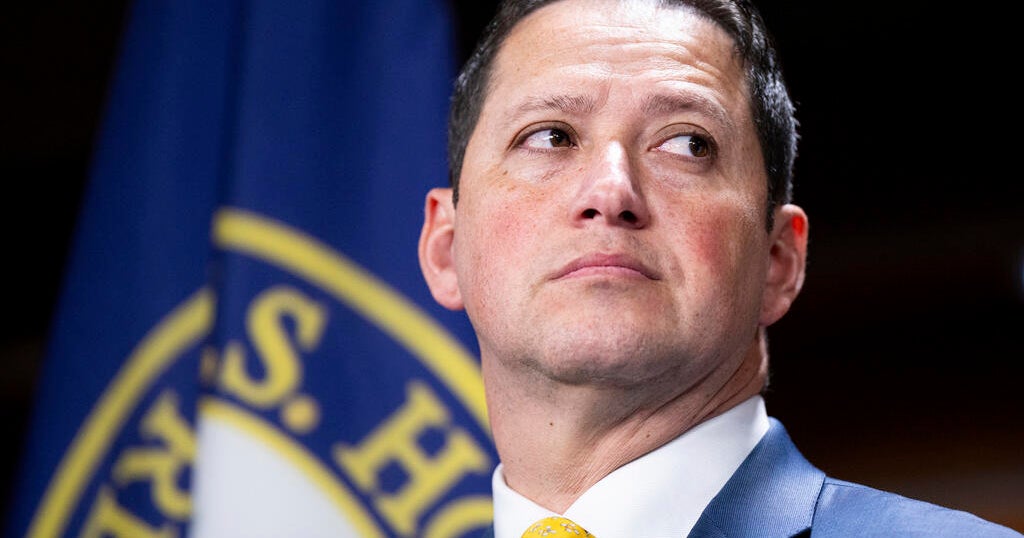

Texas Congressman Withdraws From Race After Personal Scandal
A Sudden End to a Political Career
In a stunning turn of events that has sent shockwaves through Texas politics, Republican Representative Tony Gonzales announced on Thursday that he would not be seeking reelection to represent his congressional district. The three-term congressman’s decision comes after weeks of mounting pressure following revelations about an extramarital affair with a former staff member who tragically took her own life last September. In a statement posted on social media platform X, Gonzales framed his decision in measured language, saying he had engaged in “deep reflection” and had the support of his family as he chose to step back from the political arena. While he committed to serving out the remainder of his current term with the same dedication he’s always shown his constituents, the statement notably avoided any direct mention of the scandal that has consumed his political career in recent weeks and ultimately forced his hand.
The Tragic Story Behind the Headlines
The controversy centers around Regina Santos-Aviles, a former aide to Congressman Gonzales who died in September 2024 under heartbreaking circumstances. According to a police report released last month from Uvalde, Texas, Santos-Aviles died after setting herself on fire. The details are particularly harrowing – when first responders arrived at the scene, they found her still conscious, and her final words to officers were a desperate plea: “my god, I don’t wanna die.” This tragic loss has left behind a grieving family, including Santos-Aviles’ husband and young son. The personal toll extends to Gonzales’ own family as well – the congressman is married and has six children. The human cost of this scandal goes far beyond the political implications, affecting multiple families and leaving behind questions that may never be fully answered. The situation serves as a sobering reminder that behind every political headline are real people dealing with real pain and loss.
The Evidence and Initial Denials
For weeks leading up to his withdrawal, Gonzales had steadfastly denied the allegations of an affair with Santos-Aviles. However, text message exchanges reviewed by CBS News painted a different picture of their relationship. In one particularly damning exchange from 2024, Gonzales reportedly asked Santos-Aviles for a “sexy pic,” to which she responded, “this is going too far boss.” This message suggests not only an inappropriate relationship but also that Santos-Aviles may have felt uncomfortable with the congressman’s advances. Additional text messages viewed by the news organization showed Santos-Aviles confiding in a coworker about the situation, plainly writing “I had affair with boss.” These digital breadcrumbs would ultimately prove impossible for Gonzales to continue denying. The day after his primary election contest with challenger Brandon Herrera, the congressman finally acknowledged the relationship during an interview with a conservative talk show host, describing it as a “mistake” and a “lapse in judgment.” Even in admission, however, Gonzales attempted to redirect the narrative, claiming that the controversy surrounding the affair was really “about power and money” rather than his personal conduct.
Political Pressure Mounts From All Sides
The calls for Gonzales to step aside came from across the political spectrum, with both Democrats and Republicans urging him to resign his seat entirely, not just drop his reelection bid. Initially, the congressman resisted these calls, insisting he would neither resign nor withdraw from the race. That position became untenable after the House Ethics Committee announced it was opening an investigation into the matter. The final blow came when House Speaker Mike Johnson and other members of Republican leadership directly called on Gonzales to end his reelection campaign. In a statement released Thursday, House GOP leadership made their position clear: “We have encouraged him to address these very serious allegations directly with his constituents and his colleagues. In the meantime, Leadership has asked Congressman Gonzales to withdraw from his race for re-election.” The message from party leadership was unmistakable – regardless of Gonzales’s assertions about his intentions to continue fighting, his political future in Congress was over. The combination of an ethics investigation and pressure from his own party’s leadership left the congressman with no viable path forward, ultimately forcing the withdrawal announcement.
The Race Moves Forward Without Him
Gonzales had been preparing for what promised to be a contentious GOP primary runoff in May against Brandon Herrera, a hard-right gun activist who had challenged the congressman from the right. With Gonzales now out of the picture, Herrera will instead face Democrat Katy Padilla Stout in the general election this November. The contest is for Texas’s 23rd Congressional District, which encompasses a vast area covering much of the U.S.-Mexico border region and West Texas. This is significant territory in American politics, representing communities directly impacted by immigration policy and border security issues that have dominated national political debates. However, despite the dramatic circumstances that have reshaped the race, the fundamental political calculus of the district remains unchanged – it heavily favors Republican candidates. This means that Herrera enters the general election with a substantial advantage, though the controversy surrounding Gonzales’s withdrawal could potentially complicate the Republican Party’s messaging in the district. The situation creates an unusual dynamic where a seat that should be safely Republican comes with the baggage of scandal, even though the congressman at the center of that scandal is no longer in the race.
Lessons and Lingering Questions
The fall of Tony Gonzales serves as yet another cautionary tale about the intersection of personal conduct and public service. Beyond the political calculations and party maneuvering, this story is ultimately about human failings and their consequences – consequences that have proven devastating for multiple families. The tragedy of Regina Santos-Aviles’s death adds a layer of profound sadness to what might otherwise be viewed as just another political scandal. Her final moments, as documented in that police report, remind us of the very real human cost when personal relationships go wrong, particularly when they involve power imbalances between a member of Congress and a staff member. Questions remain about the circumstances that led to her death and whether more could have been done to prevent the tragedy. For Gonzales, the decision to withdraw from his reelection bid allows him to serve out his term but effectively ends his political career. Whether he will face further consequences – legal, professional, or from the House Ethics investigation – remains to be seen. What is clear is that his legacy will be forever marked by this scandal. The situation also raises broader questions about power dynamics in congressional offices, the protection of staff members from inappropriate behavior, and the accountability mechanisms that exist to address such situations. As Texas’s 23rd District moves forward with new candidates, the communities along the border and in West Texas will have to reckon with this chapter in their representation while deciding who will speak for them in Congress going forward.