
The Ongoing Saga of the Epstein Files: New Revelations and Political Turmoil
Uncovering Mistakenly Withheld Documents
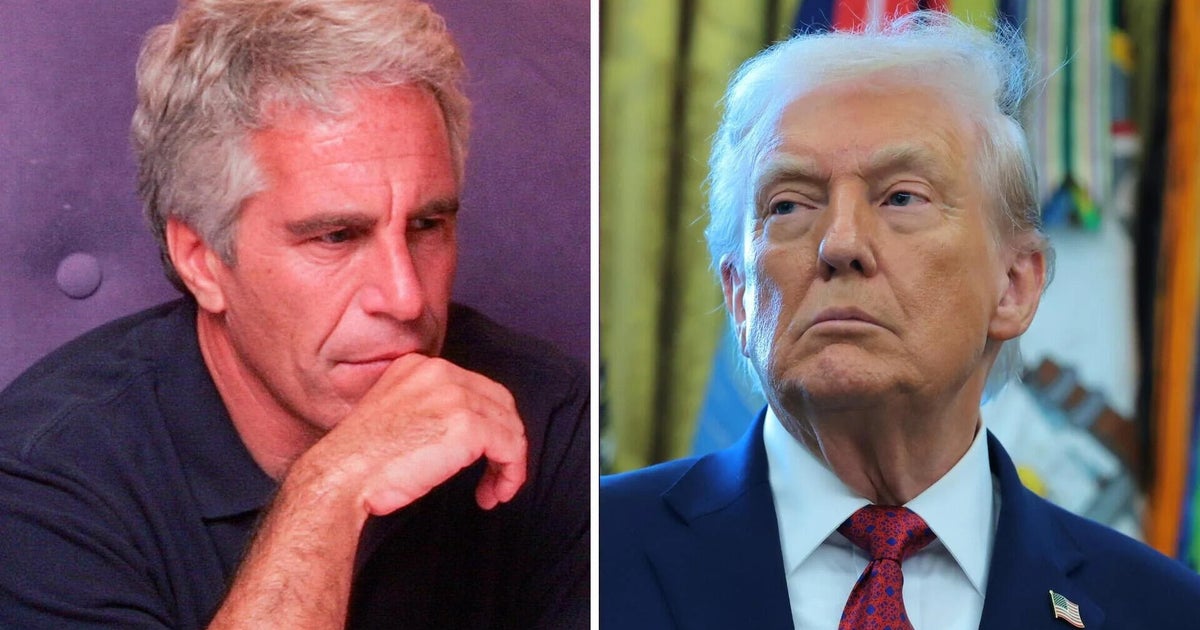
The Justice Department found itself in hot water again this week after admitting it had accidentally kept certain Jeffrey Epstein investigation files from the public eye. These weren’t just any documents – they contained interviews with a woman making serious allegations against President Trump, claims that, while unproven, should have been part of the massive document dump released earlier. The department’s explanation? A clerical error. The files were apparently tagged as “duplicates” in their system, which meant they got filtered out when everything else went public. It’s the kind of mistake that might seem minor in a typical office setting, but when you’re dealing with one of the most scrutinized investigations in recent American history, involving powerful people and serious crimes, it looks really bad. The woman in question had actually been interviewed by the FBI four times back in 2019, but somehow only one of those interview summaries made it into the public record initially. The Justice Department tried to smooth things over by posting on social media that they’ve always been willing to review and correct any issues the public brings to their attention, but the damage to their credibility was already done.
The President, The Accusations, and The Timing
The allegations themselves are certainly explosive, even if they remain unverified. According to the newly released documents, a woman reached out to the FBI shortly after Epstein’s arrest in 2019, claiming that someone named “Jeff” who lived in Hilton Head, South Carolina, had sexually assaulted her back in the 1980s when she was just 13 years old. She said she didn’t know who this person was at the time, but decades later, when a friend sent her a news article with Epstein’s photo, she believed she’d identified her attacker. In subsequent interviews, her story expanded considerably – she claimed Epstein had orchestrated her mother’s imprisonment, physically assaulted her, arranged for her to have sexual encounters with other men, and once flew her to either New Jersey or New York, where she says Donald Trump tried to sexually assault her, and she fought back by biting him. President Trump has consistently and firmly denied any wrongdoing connected to Epstein. The Justice Department itself noted that some documents contain “untrue and sensationalist claims” against Trump that were submitted right before the 2020 election, raising questions about the timing and motivation behind some allegations. When FBI agents tried to get more details about her claims regarding Trump, the woman reportedly refused to answer additional questions and stopped cooperating entirely. Adding to the skepticism, there’s no evidence that Epstein ever actually lived in South Carolina, and it’s unclear whether Trump and Epstein even knew each other during the time period she described.
A Pattern of Problems and Public Outrage
This latest mistake is just one entry in a growing list of problems that have plagued the Epstein files release since it began back in December. The Justice Department has been catching criticism from all sides – some say they’re hiding documents, others complain about over-redaction making files useless, and in some disturbing cases, they didn’t redact enough. In what can only be described as horrifying oversights, the department accidentally released nude photographs that showed the faces of potential victims, along with names, email addresses, and other personal information that should have been completely blacked out or removed. These aren’t abstract bureaucratic failures; they represent real harm to real people who were already victimized once and are now being exposed all over again through government incompetence. Department officials have tried to defend themselves by pointing out the enormous challenge they faced: millions of pages of documents, teams of lawyers reviewing files, and congressional pressure to release everything quickly. They argue that with that kind of volume and those time constraints, some mistakes were inevitable. They also maintain that they’re legally allowed to withhold certain types of records – those that would expose abuse victims, duplicates, files protected by attorney-client or other legal privileges, and anything related to ongoing criminal investigations.
Political Fallout and Bipartisan Frustration
The political consequences of these repeated fumbles are becoming increasingly serious for Attorney General Pam Bondi. In an unusual display of bipartisan frustration, five Republicans on the House Oversight Committee broke ranks and joined Democrats to vote for subpoenaing Bondi, demanding that she testify under oath about how the department has handled this release. When members of your own party are willing to publicly criticize and investigate you, that’s a clear sign that the situation has gotten out of hand. The Trump administration has been dealing with constant headaches over the Epstein files since this whole process started, with critics from across the political spectrum questioning the Justice Department’s competence and good faith. For Republicans who voted to subpoena Bondi, the decision likely wasn’t easy, but the mounting evidence of mishandling apparently outweighed party loyalty. The fact that this law was passed by Congress after months of public and political pressure makes the botched implementation even more embarrassing – this was supposed to bring transparency and closure, not create new controversies and raise more questions about what the government might be hiding or simply losing track of.
The Disappearing Documents Mystery
As if things weren’t concerning enough, a new wrinkle has emerged that raises even more troubling questions. The Justice Department hasn’t just been releasing Epstein files – it’s also been taking them down. According to an analysis by CBS News, the department has actually removed tens of thousands of files that were previously made public. Right now, they’re making available about 2.7 million pages of Epstein-related documents, which is notably less than the 3 million pages they initially claimed to have released. Even more disturbing, that number keeps changing. There’s been no clear explanation for why documents that were already deemed suitable for public release are now being pulled back. Are they finding more privacy violations that need to be fixed? Are they discovering that some files were released by mistake? Or is something else going on? Without transparency about why files are being removed, conspiracy theories and public distrust naturally flourish. This situation plays into the worst fears of critics who worried from the beginning that powerful people might try to control the narrative around Epstein’s crimes and connections by manipulating what the public gets to see.
The Bigger Picture and What It Means
The troubled release of the Epstein files represents more than just an administrative failure – it reflects the enormous challenges our institutions face when trying to balance transparency, privacy, legal obligations, and political pressures. Jeffrey Epstein’s case touched some of the most powerful people in American society and involved horrific crimes against vulnerable young people. Getting this right mattered enormously, both for the victims who deserved to have their suffering acknowledged and for the public’s right to understand how Epstein operated for so long without being stopped. Instead, what we’ve gotten is a mess that satisfies almost nobody and raises more questions than it answers. The victims have been re-traumatized by having their information exposed. The public remains uncertain about what’s really in these files and whether they’re getting the full story. And political figures on all sides are left to navigate accusations and counter-accusations in an environment where it’s increasingly difficult to distinguish signal from noise. The woman’s allegations against Trump, for instance, might be completely true, completely false, or somewhere in between – but the circumstances under which they came to light, the lack of corroboration, and the timing all complicate our ability to assess them fairly. Meanwhile, the Justice Department’s credibility has taken serious hits that will make it harder for people to trust future document releases or official statements. Moving forward, this case will likely serve as a cautionary tale about the importance of careful planning, adequate resources, and clear procedures when handling sensitive information releases. It’s not enough to have good intentions; our institutions need the competence and systems to follow through properly, especially when the stakes are this high and the public’s trust is on the line.