


The Kennedy Family Pushes Back Against Trump’s Kennedy Center Plans
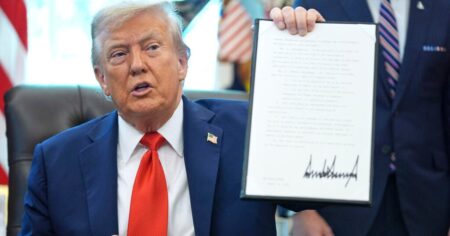
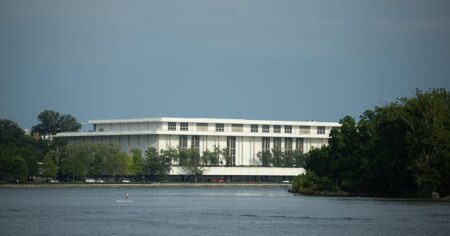
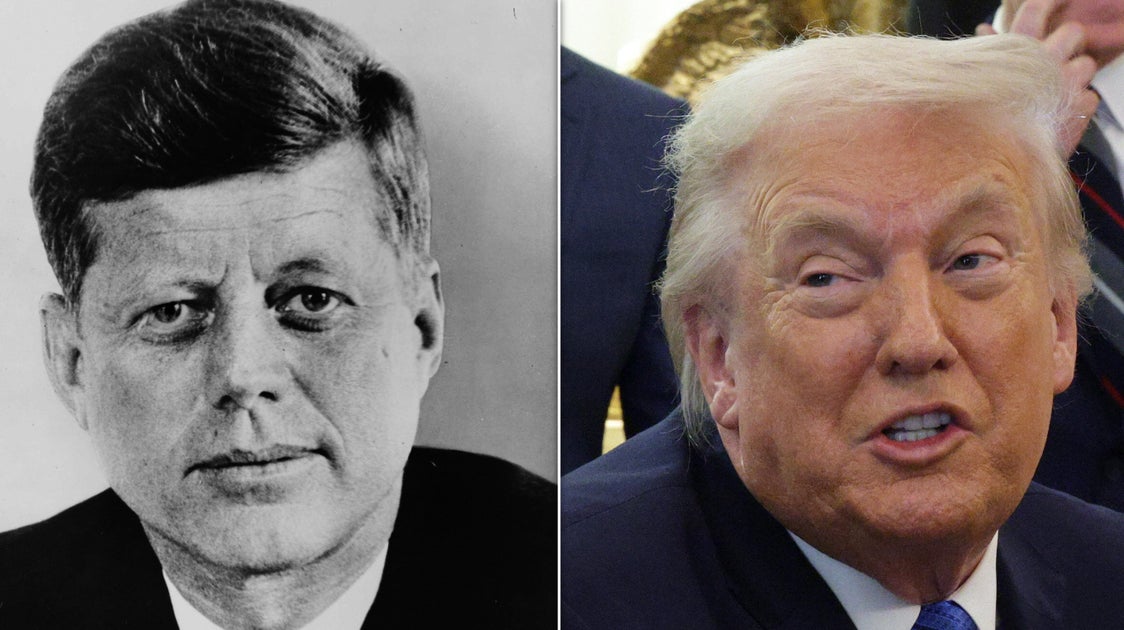
President Donald Trump’s recent announcement to close and renovate the Kennedy Center has sparked intense controversy, particularly among members of the Kennedy family who view the move as politically motivated and disrespectful to President John F. Kennedy’s legacy. The performing arts venue in Washington, D.C., which has served as a living memorial to JFK since 1971, was controversially rebranded as the “Trump-Kennedy Center” in December, and Trump now plans to shutter it for a two-year renovation beginning on July 4th, the nation’s 250th anniversary. The president defended his decision on Truth Social, describing the existing structure as “tired, broken, and dilapidated,” and promising it would reopen shortly before he leaves office. However, Kennedy family members and political observers have questioned whether the real motivation behind the closure has more to do with the venue’s struggling attendance and numerous artist cancellations than any genuine concern about the building’s condition.
Maria Shriver and Family Members Voice Their Concerns
Maria Shriver, President Kennedy’s niece and a prominent journalist and activist, didn’t mince words when responding to Trump’s announcement. Taking to social media platform X, she offered what she called a “translation” of Trump’s real motivations, suggesting that the closure was actually a response to the wave of cancellations by performers who refuse to play at the rebranded venue. Shriver wrote that Trump’s decision appeared to be less about the building’s physical condition and more about saving face amid reports of entertainers “canceling left and right” following the name change. She suggested that Trump’s ultimate goal might be to rebuild a new center that would bear his name entirely, allowing him to shift the narrative away from the embarrassing cancellations that have plagued the venue since he took it over. Her pointed commentary reflected the frustration felt by many in the Kennedy family who see the center not just as a building, but as a meaningful tribute to a president who championed the arts and believed in their power to unite people across differences.
Jack Schlossberg Calls for Justice and Action
Jack Schlossberg, President Kennedy’s grandson who is currently running as a Democrat for a U.S. House seat in New York, took an even more forceful stance against Trump’s actions. While acknowledging that Trump has the power to “take the Kennedy Center for himself,” change its name, shut its doors, and even demolish the building, Schlossberg argued that these actions cannot truly diminish his grandfather’s legacy. In a powerful statement on X, he wrote that Trump “can try to kill JFK,” but emphasized that President Kennedy’s spirit and ideals are kept alive by those who continue to fight for the values he represented. Schlossberg called on Americans to “rise up to remove Donald Trump, bring him to justice, and restore the freedoms generations fought for.” His comments reflected a broader frustration among Democrats and Kennedy family members who view Trump’s actions regarding the Kennedy Center as just one example in a larger pattern of what they see as attacks on democratic institutions and norms. For Schlossberg, the best way to honor his grandfather’s memory isn’t simply defending a building, but actively working to oppose what he views as Trump’s broader assault on American values.
Former Representative Joe Kennedy III Urges Focus on Bigger Issues
Former Representative Joe Kennedy III, President Kennedy’s grandnephew who represented Massachusetts in Congress, offered a somewhat different perspective while still criticizing Trump’s plans. Kennedy described the president’s Kennedy Center proposal as “painful,” but also characterized it as a distraction from more serious concerns. He invoked his great-uncle’s legacy, suggesting that President Kennedy would remind Americans that “it is not buildings that define the greatness of a nation” but rather “the actions of its people and its leaders.” Kennedy urged people not to lose sight of what he believes the Trump administration is actually trying to undermine: “our connection, our community, and our commitment to the rights of all.” His response reflected a strategic political calculation that while the Kennedy Center controversy is significant and hurtful to the family, it shouldn’t consume all of the opposition’s energy when there are potentially more consequential policy battles to fight. This approach suggests a recognition that Trump may benefit from keeping critics focused on symbolic fights over building names rather than substantive debates about governance and policy.
The Kennedy Center’s History and the Performing Arts Community’s Response
The Kennedy Center was established in 1971 as a “living memorial” to President Kennedy, who was tragically assassinated in Dallas in 1963. For more than five decades, the venue has served as one of Washington’s premier cultural institutions, hosting world-class performances across various artistic disciplines including theater, dance, music, and opera. The center was intended to reflect President Kennedy’s belief in the importance of the arts to American society and his vision of culture as a unifying force. Trump’s takeover and rebranding of the venue has sent shockwaves through the performing arts community, with many artists viewing the changes as a politicization of what had traditionally been a nonpartisan institution. The controversy intensified last month when renowned composer Philip Glass and celebrated soprano Renée Fleming joined a growing list of artists canceling their scheduled performances at the rebranded venue. Reports have indicated that the Kennedy Center has experienced dwindling donations and declining ticket sales since Trump’s takeover, suggesting that the public may be rejecting the politicization of this cultural institution. The situation has created a dilemma for performers who must choose between their artistic opportunities and their political principles, with many deciding that performing at the Trump-Kennedy Center would represent an implicit endorsement of the name change and the broader Trump agenda.
Trump Administration’s Defense and the Broader Cultural Battle
Richard Grenell, whom Trump appointed as the Kennedy Center’s interim executive director in February, has vigorously defended the president’s actions and dismissed criticism from the Kennedy family and others. Speaking to Fox News, Grenell argued that Trump had brought “common-sense” programming back to the venue and portrayed the president as a rescuer rather than a vandal. He claimed that critics had ignored the Kennedy Center for decades and were now hypocritically “complaining about the fireman who’s come in to literally rescue it and put out the fire.” This defense reflects the Trump administration’s broader narrative that traditional cultural institutions had become too elitist, too liberal, or too out of touch with ordinary Americans, and that Trump is democratizing and revitalizing them. However, critics argue that the real fire at the Kennedy Center was started by Trump’s takeover itself, as evidenced by the cancellations, declining attendance, and donor flight. The dispute over the Kennedy Center represents a microcosm of larger cultural and political battles in America, where questions about whose names deserve commemoration, what values public institutions should represent, and how politics should or shouldn’t intersect with arts and culture have become increasingly contentious. For the Kennedy family, this isn’t simply about a building or even just about preserving President Kennedy’s memory—it’s about defending a vision of American culture that celebrates excellence, inclusivity, and the arts as a space where people of different backgrounds and beliefs can come together in shared appreciation of beauty and creativity, values they believe Trump’s actions fundamentally undermine.